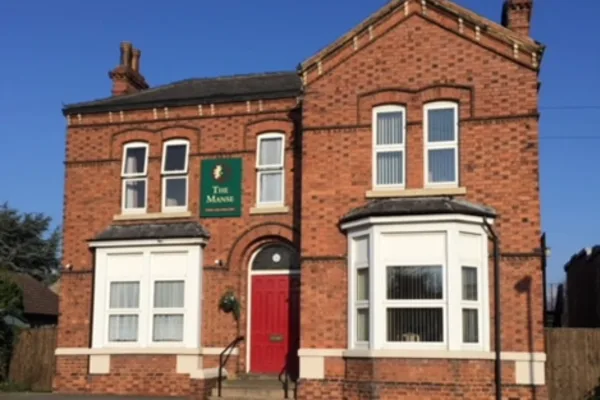
Nestled in a peaceful and picturesque location, The Manse Residential Care Home offers a warm, welcoming environment where residents receive exceptional care tailored to their individual needs. The home provides a range of services, including long-term care, respite care, and dementia care, ensuring that every resident feels valued, respected, and supported.
At The Manse, quality care goes beyond just meeting physical needs – it’s about creating a home where residents can...
Nestled in a peaceful and picturesque location, The Manse Residential Care Home offers a warm, welcoming environment where residents receive exceptional care tailored to their individual needs. The home provides a range of services, including long-term care, respite care, and dementia care, ensuring that every resident feels valued, respected, and supported.
At The Manse, quality care goes beyond just meeting physical needs – it’s about creating a home where residents can thrive, enjoy meaningful activities, and maintain their independence as much as possible. The home has a dedicated team of skilled staff that are committed to providing personalised care with compassion, integrity, and professionalism.
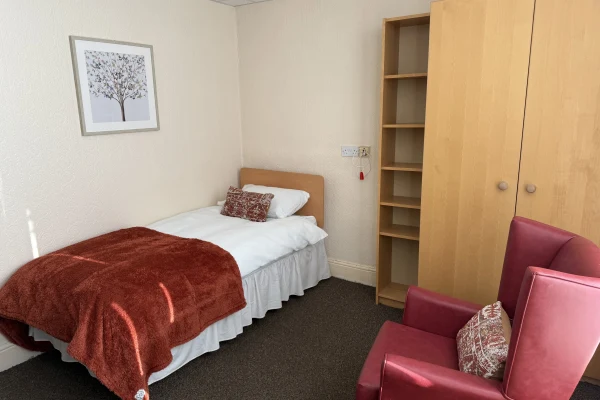
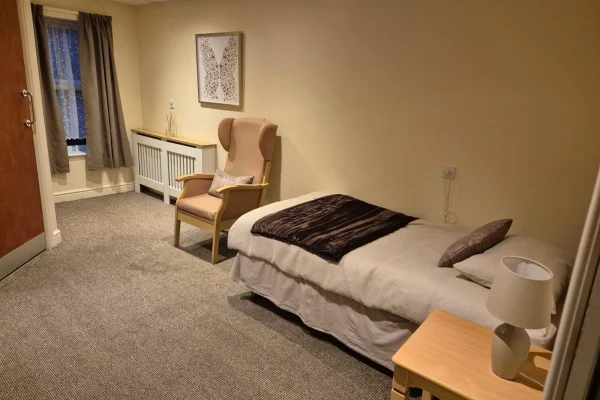
The home features comfortable, well-equipped rooms, communal spaces designed for socialising, and beautiful gardens where residents can relax and enjoy the outdoors. The Manse also offer a variety of activities, from arts and crafts to music sessions and themed events, ensuring that residents are engaged and entertained.
The team invite you to visit and experience firsthand the care and attention that makes The Manse a truly special place to live.
Loading travel time
Care Provided by The Manse Residential Care Home
Primary Care Categories
Older Person Care
Dementia
Length of Stay
Permanent Care
Respite Care
Care Types Provided
Residential Care
Dementia Residential Care
For a maximum of 21 Service Users
Dementia Care Types
Mild Dementia
Moderate Dementia
Other Care Provided
Parkinson's Disease
Stroke
Palliative / End of Life Care
COPD/Pulmonary Disease
Convalescent Care
Day Care
Facilities
Own Furniture if required
Smoking not permitted
Close to Local shops
Near Public Transport
Stairlift
Wheelchair Access
Gardens
Phone Point in own room
Television point in own room
Residents Internet Access
Funding & Fees
Weekly Charges per Person
Type of care
Permanent
Respite
Residential Care
From £895
From £895
Residential Dementia Care
From £970
From £970
The price(s) shown are provided by the care home. Contact The Manse Residential Care Home for full pricing details and T&Cs.
Contact The Manse Residential Care Home to confirm what's included and get a personalised quote:
The Manse Residential Care Home has a Review Score of 8.9 (8.876) out of 10, based on 3 reviews in the last 2 years. Over all time The Manse Residential Care Home has 3 reviews.
Reviewer Connection to The Manse Residential Care Home
Loading...
Showing 3 reviews matching selected criteria
Review from Hannah S (Niece of Resident) published on 11 March 2026 Submitted via Postal Card•
Overall Experience
Can't fault anything, an excellent service provided.
Can't fault anything, an excellent service provided.
Facilities
Care / Support
Cleanliness
Treated with Dignity
Food & Drink
Staff
Activities
Management
Safety / Security
Rooms
Value for Money
Review from N S (Sister of Resident) published on 11 March 2026 Submitted via Postal Card•
Overall Experience
I am highly satisfied with all aspects of care given by The Manse. My brother is looked after and treated with the utmost respect. The staff have become his friends and our frends too. They certainly go the distance in making sure that my brother is cared for and happy. Many thanks.
I am highly satisfied with all aspects of care given by The Manse. My brother is looked after and treated with the utmost respect. The staff have become his friends and our frends too. They certainly go the distance in making sure that my brother is cared for and happy. Many thanks.
Facilities
Care / Support
Cleanliness
Treated with Dignity
Food & Drink
Staff
Activities
Management
Safety / Security
Rooms
Value for Money
Review from O C (Son of Resident) published on 2 March 2026 Submitted via Website•
Overall Experience
The general feeling within the home was fantastic with some really nice interactions between residents and care providers. The team interacted well, friendly, and kind and were seen to be supporting residents in a kind manner. The Residents were happy with laughter and fun throughout the home.
If...
The general feeling within the home was fantastic with some really nice interactions between residents and care providers. The team interacted well, friendly, and kind and were seen to be supporting residents in a kind manner. The Residents were happy with laughter and fun throughout the home.
If you are looking for a home to have your loved ones truly cared for then I would recommend this.
Facilities
Care / Support
Cleanliness
Treated with Dignity
Food & Drink
Staff
Activities
No Rating
Management
Safety / Security
Rooms
Value for Money
No Rating
Regulatory Rating
Care Quality Commission (CQC) Rating
Care Quality Commission is responsible for the registration and inspection of social care services in England.View Latest Report
Bed Vacancies
Please contact us for latest vacancies.
News (0) & Events (0)
News
There are no news items for The Manse Residential Care Home.
Upcoming Events
There are no upcoming events for The Manse Residential Care Home.
Awards / Recognitions (0)
There are currently no awards/recognitions posted yet for The Manse Residential Care Home.
Accreditations
There are no accreditations posted yet for The Manse Residential Care Home.
Meet the Team (2)
Akash BhallaJob Title Nominated IndividualJoined 2025
Nominated Individual
Tracey FavillJob Title Home ManagerJoined 2026
Home Manager
Frequently Asked Questions about The Manse Residential Care Home
What types of Care is The Manse Residential Care Home registered for?
Older Person Care, Dementia are the registered (by the Care Quality Commission) categories of Care.
How many Rooms does The Manse Residential Care Home have?
There are 17 Single Rooms and 2 Couples/Companion Rooms.
What are the Facilities & Services at The Manse Residential Care Home?
Own Furniture if required, Smoking not permitted, Close to Local shops, Near Public Transport, Stairlift, Wheelchair Access, Gardens, Phone Point in own room, Television point in own room, Residents Internet Access are some of the Facilities & Services.
How far is The Manse Residential Care Home to the centre of Knottingley?
0.2 mile(s) as the crow flies, distance by road may be significantly further.
Information on this page is displayed without responsibility for its accuracy on the part of carehome.co.uk. Please contact The Manse Residential Care Home to verify any information. View our terms and conditions. The Manse Residential Care Home has an Enhanced Service -what an Enhanced Service includes.