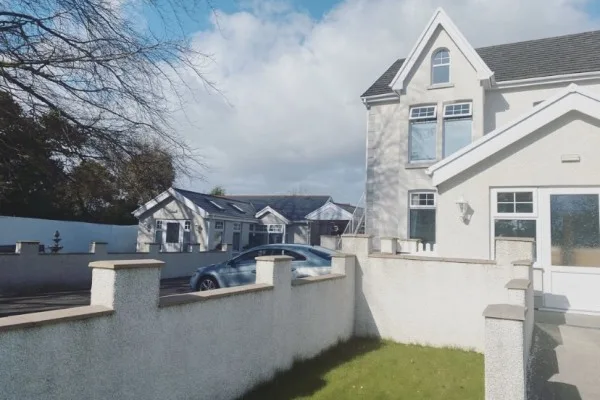
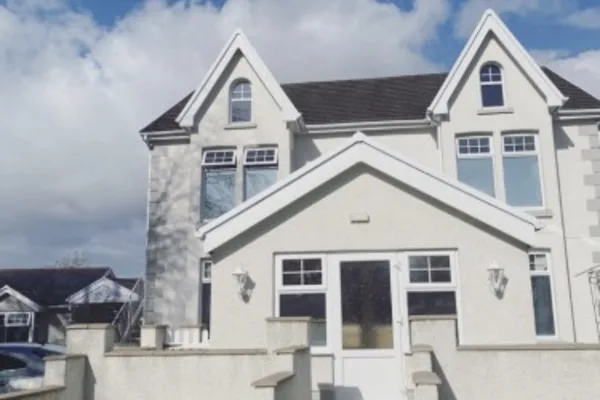
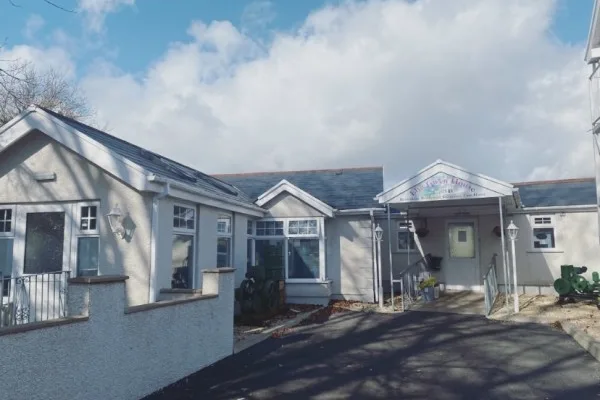
Llys Gwyn House is a bilingual, family-run care home established in 1985. The home is proud of its strong family values, with the family and staff team bringing over three decades of combined experience in providing high-quality care, spanning three generations.
The Directors, management, and staff have worked closely together over many years, maintaining a genuinely warm and welcoming, family-oriented environment. This atmosphere is considered essential in delivering a high standard...
Llys Gwyn House is a bilingual, family-run care home established in 1985. The home is proud of its strong family values, with the family and staff team bringing over three decades of combined experience in providing high-quality care, spanning three generations.
The Directors, management, and staff have worked closely together over many years, maintaining a genuinely warm and welcoming, family-oriented environment. This atmosphere is considered essential in delivering a high standard of care, allowing residents to enjoy a homely, everyday lifestyle with the support required as individuals.
As a smaller care home, Llys Gwyn House is able to offer a more personal and attentive approach, taking the time to understand each resident. Every individual is recognised as unique, and alongside detailed care planning and personalised support plans, importance is placed on understanding each person’s preferences, routines, and personality. This enables care that is not only safe and effective, but also respectful, meaningful, and tailored to the individual.
Over the years, the home has adapted to the many changes within elderly care, with continued professional development and encouragement of ongoing staff training to ensure consistently high standards. The staff team remains motivated and committed to maintaining and improving skills and qualifications.
Thorough assessments are encouraged prior to admission, and prospective residents are welcomed to visit as often as possible. This supports individuals and their families in feeling comfortable, informed, and confident in their decision.
While the aim is to support residents for as long as possible, care needs are regularly reviewed to ensure the appropriate level of support can be provided. Where needs change, decisions are made in the best interests of the individual to ensure continued access to the highest standard of care.
Loading travel time
Care Provided by Llysgwyn House
Primary Care Categories
Older Person Care
Dementia
Learning Disability / Autism
Mental Health Condition
Physical Disability
Visual / Hearing Impairment
Length of Stay
Permanent Care
Respite Care
Care Types Provided
Residential Care
Dementia Residential Care
For a maximum of 34 Service Users
Dementia Care Types
Mild Dementia
Moderate Dementia
Advanced/Complex Dementia
Other Care Provided
Parkinson's Disease
Palliative / End of Life Care
Facilities
Own Furniture if required
Pet Friendly (or by arrangement)
Smoking not permitted
Close to Local shops
Near Public Transport
Minibus or other transport
Stairlift
Wheelchair Access
Gardens
Residents Kitchenette
Television point in own room
Residents Internet Access
Funding & Fees
Fees vary depending on room type, including single rooms, en-suite rooms (some with showers), and shared accommodation. Current fee information is available on request, with updated fees to be released shortly. Enquiries are welcomed to discuss availability and suitable options.
Contact Llysgwyn House to confirm what's included and get a personalised quote:
Funding Types Accepted
Self-Funding (Private)
Local Authority with Top-up
Local Authority
NHS Continuing Healthcare (CHC)
Good to Know
Owner
Llysgwyn House Ltd
Private Owned
Person in charge
Rhian Henry (Manager)
Local Authority / Social Services
Admission Information
Mixed (no single-gender units)
Ages 65+
Care Home Design/Build
Purpose Built: Yes
Year Purpose Built: 1985
Last Refurbishment: 2019
Number of floors: 2
Room Information
Single Rooms (32)
Couples/Companion Rooms (1)
Visiting
Visitors are warmly welcomed at Llys Gwyn House. Flexible visiting arrangements are encouraged to support meaningful time with loved ones, while ensuring the comfort and wellbeing of all residents. Visitors are kindly asked to be mindful of residents’ routines and care needs during their visit.
Parking
Free off-road parking is available on-site for all visitors, providing convenient and safe access when visiting Llys Gwyn House.
There are currently no reviews for Llysgwyn House.
Regulatory Rating
Care Inspectorate Wales (CIW) Rating
Care Inspectorate Wales is responsible for the registration and inspection of social care services in Wales.View Latest Report
Bed Vacancies
Please contact us for latest vacancies.
News (0) & Events (0)
News
There are no news items for Llysgwyn House.
Upcoming Events
There are no upcoming events for Llysgwyn House.
Awards / Recognitions (0)
There are currently no awards/recognitions posted yet for Llysgwyn House.
Accreditations
There are no accreditations posted yet for Llysgwyn House.
Meet the Team (1)
Rhian HenryJob Title Manager
Rhian is the manager of Llysgwyn House.
Frequently Asked Questions about Llysgwyn House
What types of Care is Llysgwyn House registered for?
Older Person Care, Dementia, Learning Disability / Autism, Mental Health Condition, Physical Disability, Visual / Hearing Impairment are the registered (by the Care Quality Commission) categories of Care.
How many Rooms does Llysgwyn House have?
There are 32 Single Rooms and 1 Couples/Companion Room.
What are the Facilities & Services at Llysgwyn House?
Own Furniture if required, Pet Friendly (or by arrangement), Smoking not permitted, Close to Local shops, Near Public Transport, Minibus or other transport, Stairlift, Wheelchair Access, Gardens, Residents Kitchenette, Television point in own room, Residents Internet Access are some of the Facilities & Services.
How far is Llysgwyn House to the centre of Swansea?
7.9 mile(s) as the crow flies, distance by road may be significantly further.
Information on this page is displayed without responsibility for its accuracy on the part of carehome.co.uk. Please contact Llysgwyn House to verify any information. View our terms and conditions. Llysgwyn House has an Enhanced Service -what an Enhanced Service includes.