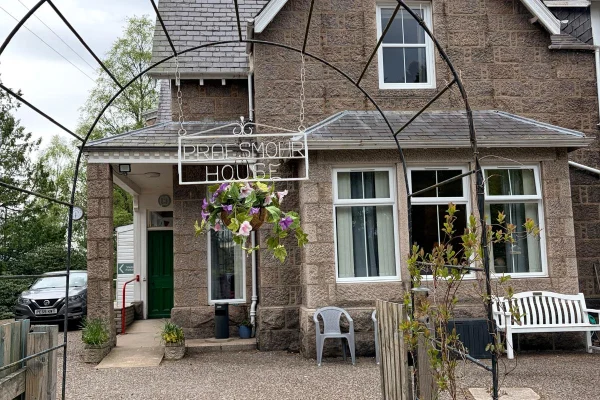
Praesmohr House offers a person-centred approach to care needs, within a homely and comfortable environment where professionals carry out services with dignity and respect.
All carers are qualified to meet modern standards of care, up-to-date with regulatory requirements while making sure the service is defined by compassion and friendliness.
Loading travel time
Care Provided by Praesmohr
Primary Care Categories
Older Person Care
Dementia
Learning Disability / Autism
Physical Disability
Visual / Hearing Impairment
Length of Stay
Permanent Care
Respite Care
Care Types Provided
Residential Care
Dementia Residential Care
For a maximum of 28 Service Users
Dementia Care Types
Mild Dementia
Other Care Provided
Parkinson's Disease
Stroke
Palliative / End of Life Care
COPD/Pulmonary Disease
Convalescent Care
Facilities
Own Furniture if required
Pet Friendly (or by arrangement)
Smoking not permitted
Close to Local shops
Near Public Transport
Minibus or other transport
Lift
Stairlift
Wheelchair Access
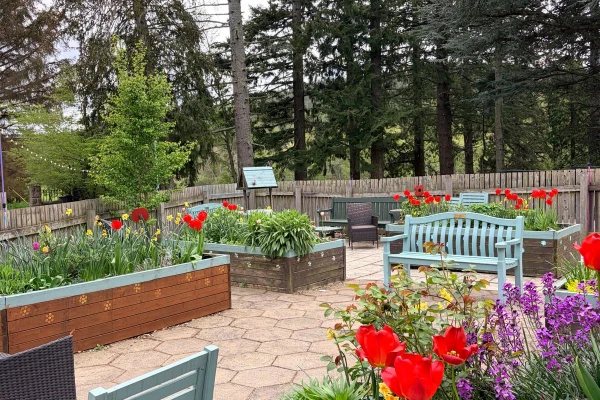
Gardens
Television point in own room
Residents Internet Access
Funding & Fees
Weekly Charges per Person
Type of care
Permanent
Respite
Residential Care
From £1,650
From £1,650
Residential Dementia Care
From £1,650
From £1,650
Contact Praesmohr to confirm what's included and get a personalised quote:
Hairdressing and Podiatry are not included in the fee. Family with local authority funding are welcome to choose a larger room with ensuite but a top up payment would be required.
The price(s) shown are provided by the care home. Contact Praesmohr for full pricing details and T&Cs.
Funding Types Accepted
Self-Funding (Private)
Local Authority with Top-up
Local Authority
Support you may be entitled to
If you choose a care home based in Scotland, you may be eligible for the Scottish Government's Free Personal Care funding of up to £260.30 per week if you're over the age of 65. This support is not reflected in this fee amount.
Review from Bill E (Son of Resident) published on 17 September 2026 Submitted via Website•
Overall Experience
I live abroad so cannot visit often. This was my first visit under the new management. The staff were all new to me. My mother was settled, staff were helpful and the facilities were clean and comfortable. There are some new initiatives, including the menus which are good
I live abroad so cannot visit often. This was my first visit under the new management. The staff were all new to me. My mother was settled, staff were helpful and the facilities were clean and comfortable. There are some new initiatives, including the menus which are good
↩Reply from FABIENNE DECOURT, Operations Manager at Praesmohr
Thank you very much for taking the time to share your experience with us. We are delighted to hear that you found your mother settled and comfortable, and that our team made you feel welcome and supported during your visit. We completely understand how important that reassurance is, especially when...
Thank you very much for taking the time to share your experience with us. We are delighted to hear that you found your mother settled and comfortable, and that our team made you feel welcome and supported during your visit. We completely understand how important that reassurance is, especially when living abroad and not being able to visit as often as you would like. It is also lovely to hear your positive feedback about the home and our new initiatives. We are continuously working to make Praesmohr House a warm, comfortable and welcoming home for all our residents.
Thank you again for your kind words and for placing your trust in our team. It means a great deal to us.
Facilities
Care / Support
Cleanliness
Treated with Dignity
Food & Drink
Staff
Activities
No Rating
Management
Safety / Security
Rooms
Value for Money
Review from Maureen M (Sister of Resident) published on 13 August 2026 Submitted via Website•
Overall Experience
The care my brother received was gentle,kind and understanding.They were very supportive and helpful with any questions I had,always clear and respectful.Im very thankful he was showing respect to all his wishes no matter how hard it was for them,they treated him with dignity and kindness.
The care my brother received was gentle,kind and understanding.They were very supportive and helpful with any questions I had,always clear and respectful.Im very thankful he was showing respect to all his wishes no matter how hard it was for them,they treated him with dignity and kindness.
↩Reply from JANET DECOURT, Director at Praesmohr
Thank you so much for your kind and thoughtful feedback. It means a great deal to our whole team to know that your brother was treated with the dignity, kindness and respect he deserved. Supporting his individual wishes and ensuring he felt understood and cared for was very important to us. We are...
Thank you so much for your kind and thoughtful feedback. It means a great deal to our whole team to know that your brother was treated with the dignity, kindness and respect he deserved. Supporting his individual wishes and ensuring he felt understood and cared for was very important to us. We are also pleased that you felt supported and able to ask questions throughout his time with us. Thank you for placing your trust in our team to care for your brother.
Facilities
Care / Support
Cleanliness
Treated with Dignity
Food & Drink
Staff
Activities
No Rating
Management
Safety / Security
Rooms
Value for Money
No Rating
Review from L M (Niece of Resident) published on 10 August 2026 Submitted via Website•
Overall Experience
My aunt has been here for about 18 months so I have experience of old and new management. This visit showed a huge difference in quality of care, friendly staff and respect to residents. I know some previous staff were disinterested and not caring. There has been a definite change in the feeling...
My aunt has been here for about 18 months so I have experience of old and new management. This visit showed a huge difference in quality of care, friendly staff and respect to residents. I know some previous staff were disinterested and not caring. There has been a definite change in the feeling around the home, activities introduced for residents which I gauged they looked forward to. The staff were attentive and lovely
↩Reply from JANET DECOURT, Director at Praesmohr
Thank you for taking the time to share your feedback. It is wonderful to hear that you have noticed such a positive difference in the home. Our team works hard to provide compassionate, respectful, and person-centred care, so your kind comments mean a great deal to us. We are especially pleased...
Thank you for taking the time to share your feedback. It is wonderful to hear that you have noticed such a positive difference in the home. Our team works hard to provide compassionate, respectful, and person-centred care, so your kind comments mean a great deal to us. We are especially pleased that you have seen the positive impact of our activities and the caring approach of our staff. Your support and encouragement are greatly appreciated.
Facilities
Care / Support
Cleanliness
Treated with Dignity
Food & Drink
Staff
Activities
Management
Safety / Security
Rooms
Value for Money
No Rating
Review from Gemma M (Daughter of Resident) published on 27 May 2026 Submitted via Website•
Overall Experience
My father has been a resident at Praesmohr Care Home for some time now, & I cannot speak highly enough of the care and support he has received. From the moment he arrived, the staff have been warm, professional, compassionate, and incredibly helpful. They genuinely take the time to get to know each...
My father has been a resident at Praesmohr Care Home for some time now, & I cannot speak highly enough of the care and support he has received. From the moment he arrived, the staff have been warm, professional, compassionate, and incredibly helpful. They genuinely take the time to get to know each resident, & it is clear they truly care about the people living there.
My father regularly tells me how much he enjoys the food & how lovely all the staff are, which completely reflects my own experience every time I visit. He has settled in very happily & often says how content & comfortable he feels there. His room is beautiful, with a large bay window overlooking the surrounding grounds, & he says he sleeps very well & feels at peace in his environment.
The home itself is exceptionally clean, well maintained, & set in beautiful surroundings that create a calm & welcoming atmosphere. I can honestly say that Praesmohr & its staff are exceptional.
↩Reply from Janet Decourt, Director at Praesmohr
Thank you for your lovely feedback. We are glad to hear he is enjoying Chef's new menu.
Facilities
Care / Support
Cleanliness
Treated with Dignity
Food & Drink
Staff
Activities
Management
Safety / Security
Rooms
Value for Money
Review from S A (Daughter of Resident) published on 20 May 2026 Submitted via Postal Review Card•
Overall Experience
A fantastic family, homely place where the staff are long-serving and caring to residents and their families. Support and guidance is given to family members negotiating things like dementia for the first time, I couldn't have navigated it without their help. The care given is second to none and I...
A fantastic family, homely place where the staff are long-serving and caring to residents and their families. Support and guidance is given to family members negotiating things like dementia for the first time, I couldn't have navigated it without their help. The care given is second to none and I would not want my mother in any other care home. Praesmohr is a very special place.
↩Reply from Janet Decourt, Director at Praesmohr
Thank you for taking the time to review us and for the lovely feedback
Facilities
Care / Support
Cleanliness
Treated with Dignity
Food & Drink
Staff
Activities
Management
Safety / Security
Rooms
Value for Money
Regulatory Rating
Care Inspectorate is responsible for the registration and inspection of social care services in Scotland.View Latest Report
Bed Vacancies
2 Bed Vacancies
Posted: 22 October 2026
bedroom with ensuite
News (0) & Events (0)
News
There are no news items for Praesmohr.
Upcoming Events
There are no upcoming events for Praesmohr.
Awards / Recognitions (0)
There are currently no awards/recognitions posted yet for Praesmohr.
Accreditations
There are no accreditations posted yet for Praesmohr.
Meet the Team (3)
Debbie RhodesJob Title Manager
My name is Debbie Rhodes, and I have worked in the care sector since the late 1980s. I started my career in care soon after leaving school,...
My name is Debbie Rhodes, and I have worked in the care sector since the late 1980s. I started my career in care soon after leaving school, completing my first placement through a YTS programme, where I gained my City & Guilds qualification in care.
I have worked in care throughout my working life and have continued to develop my knowledge and skills through experience, training and further qualifications.
Around 1993, while working in Merseyside, I completed my NVQ 2 in Care. I later moved back to the area where I was born and went on to complete my SVQ Level 3 in Care.
Since joining Praesmohr House, I have continued with my professional development. I have completed two college courses specialising in dementia care, which have helped me to further develop my understanding of supporting people living with dementia.
I have also completed two modules of the SVQ Level 4 in Supervisory Management, developing my knowledge and skills in supervising and supporting staff teams.
I am currently working towards my SVQ Level 4 in Leadership and Management. This is supporting me to further develop my skills and knowledge in managing the care service, leading the staff team, promoting good practice and continuing to improve the quality of care provided to our residents.
I have worked at Praesmohr House for nearly 14 years and have progressed within my career from care work to senior and management responsibilities. My experience, qualifications and ongoing professional development have given me a broad understanding of care, dementia support, staff supervision and the day-to-day management of a care service.
Olubunmi Timileyin OlogunmetaJob Title Senior Carer
Diploma in Nursing and Midwifery.
Arjun ChittilanghatJob Title Deputy Manager
Holds NVQ Level 2 and NVQ Level 3 qualifications. Currently undertaking SVQ Level 4 and is at the beginning stage of the programme.
Additional...
Holds NVQ Level 2 and NVQ Level 3 qualifications. Currently undertaking SVQ Level 4 and is at the beginning stage of the programme.
Additional Qualifications:
• Master of Science (MSc) in International Business Management
• Bachelor of Science (BSc) in Computer Science
Frequently Asked Questions about Praesmohr
How much does Praesmohr cost?
The care home lists weekly fees per person from £1,650 for residential care (respite from £1,650) and from £1,650 for residential dementia care (respite from £1,650). Funding accepted: Self-Funding (Private), Local Authority with Top-up, Local Authority.
What types of Care is Praesmohr registered for?
Older Person Care, Dementia, Learning Disability / Autism, Physical Disability, Visual / Hearing Impairment are the registered (by the Care Quality Commission) categories of Care.
How many Rooms does Praesmohr have?
There are 28 Single Rooms.
What are the Facilities & Services at Praesmohr?
Own Furniture if required, Pet Friendly (or by arrangement), Smoking not permitted, Close to Local shops, Near Public Transport, Minibus or other transport, Lift, Stairlift, Wheelchair Access, Gardens, Television point in own room, Residents Internet Access are some of the Facilities & Services.
How far is Praesmohr to the centre of Aboyne?
0.7 mile(s) as the crow flies, distance by road may be significantly further.
Information on this page is displayed without responsibility for its accuracy on the part of carehome.co.uk. Please contact Praesmohr to verify any information. View our terms and conditions. Praesmohr has an Enhanced Service -what an Enhanced Service includes.