Length of Stay
- Permanent Care
Dementia Care Types
- Mild Dementia
- Moderate Dementia
Other Care Provided
- COPD/Pulmonary Disease
- Meals Prepared On-site
- Meals can be delivered to residents own homes
- Personal Care


Parkhaven Court aims to ensure all their clients, many of whom have dementia, get the most out of life in a comfortable, safe and secure environment, which includes their beautiful historic grounds.
Parkhaven Court provides Extra Care Housing, which is a form of housing with specialist support. It gives people the chance to live in purpose built, self-contained accommodation that has a 24-hour staff team, providing care and support as required.
Parkhaven...
Parkhaven Court aims to ensure all their clients, many of whom have dementia, get the most out of life in a comfortable, safe and secure environment, which includes their beautiful historic grounds.
Parkhaven Court provides Extra Care Housing, which is a form of housing with specialist support. It gives people the chance to live in purpose built, self-contained accommodation that has a 24-hour staff team, providing care and support as required.
Parkhaven Court has been designed to offer security and accessibility for people with various levels of support needs. Parkhaven Court has a great sense of community with a communal lounge and dining area, an IT/library area and a hair dressing salon, with regular activities such as summer barbecues, coffee mornings, bingo and communal lunches. There are also opportunities for trips out in their specially adapted minibus.
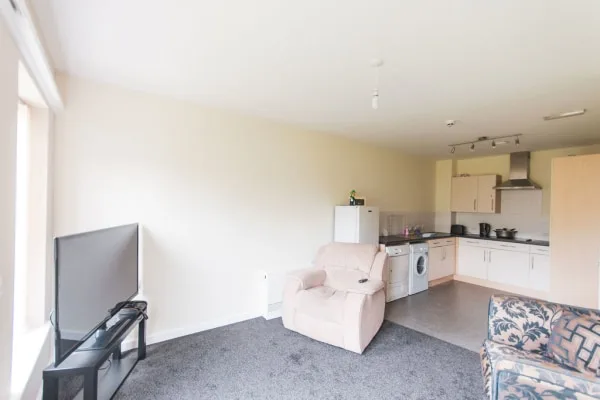
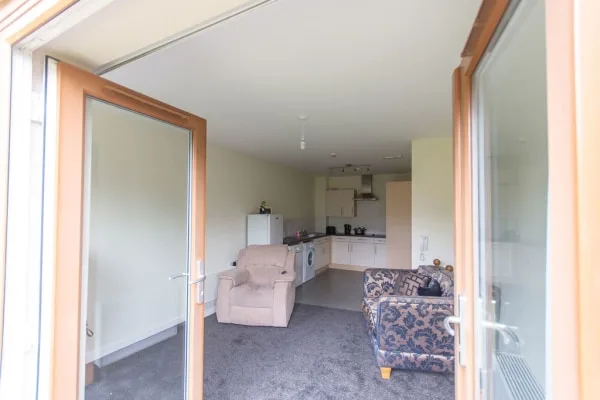
Each individual apartment comprises of an open plan lounge/diner, fully equipped kitchen, an accessible wet room with walk-in shower and one or two bedrooms. Clients have access to a private, enclosed courtyard and each apartment has a small garden or patio area.
They provide extra care and support for couples. Allowing for extra care to support your spouse should they have extra needs or dementia; giving you the extra support needed to allow you to continue to live together in a comfortable, homely environment.
Living at Parkhaven Court allows clients to remain as independent as possible, with support plans tailored to meet their needs.
Parkhaven Court provide a full range of activities for their residents, these include (but are not limited to); arts and crafts, poetry, reading aloud, singing, live music, sensory activities, reminiscing activities, hand massage, painting, yoga, physiotherapy, keep fit, seasonal crafts (e.g. pumpkin carving, making Christmas cards etc.) and board games.
Retirement Village: No
Registered Charity: 210163
Property Purpose Built: Yes
Year of Construction: 2013
Year of Last Major Refurbishment: 2013
Tenure Types: Rent
Property Information: 24 Properties
On Site Care Staff 24/7: Yes
Care Provided By: Parkhaven Trust
Community Alarm / Careline Service: Yes
2 bed + 14 hours p/w care package £742.87
Please contact Parkhaven Court directly if you have any questions regarding fees.
Contact Parkhaven Court to confirm what's included and get a personalised quote
Parkhaven Court has a Review Score of 7.3 (7.273) out of 10, based on 1 reviews in the last 2 years.
Over all time Parkhaven Court has 1 review.
The staff are all very caring and empathetic. Parkhaven Court has a lovely feel. I would like to have information on events ie: singers etc. As I can plan visits around these. A newsletter would be good.
The staff are all very caring and empathetic. Parkhaven Court has a lovely feel. I would like to have information on events ie: singers etc. As I can plan visits around these. A newsletter would be good.
Thank you for your lovely comments, yes we do have a newsletter - can you please speak to the deputy scheme leaders about getting your email to add to our distribution list?
Please contact us for latest vacancies.
There are no news items for Parkhaven Court.
There are no upcoming events for Parkhaven Court.
There are no accreditations posted yet for Parkhaven Court.

Cassie joined Parkhaven Trust in 2011 as a Domiciliary Assistant Support Worker at Parkhaven Court. She then progressed to her existing role of...
Cassie joined Parkhaven Trust in 2011 as a Domiciliary Assistant Support Worker at Parkhaven Court. She then progressed to her existing role of Deputy Scheme Leader in 2017.
Cassie has worked for the majority of her time in Parkhaven Court, although she also has experience in service delivery in our other services.
Cassie’s role involves the day-to-day running of Parkhaven Court; supporting our clients to live as independently as possible in their own homes whilst getting the best out of life.
Information on this page is displayed without responsibility for its accuracy on the part of carehome.co.uk. Please contact Parkhaven Court to verify any information. View our terms and conditions. Parkhaven Court has an Enhanced Service -what an Enhanced Service includes.