
Page contents
 At a glance
- Most common dementia type: Alzheimer’s disease is the most common form of dementia, mainly affecting people over 65, although it can also develop at a younger age.
- Protein changes damage brain: Alzheimer’s is associated with abnormal build-ups of amyloid plaques and tau tangles, which disrupt communication between brain cells and affect how the brain functions.
- Symptoms gradually become worse: Common signs include memory loss, confusion, difficulty concentrating or making decisions, losing track of time or belongings, and increasing difficulty with everyday activities.
- Treatment can manage symptoms: There is currently no cure, but cognitive assessment can support diagnosis, while medicines such as cholinesterase inhibitors and memantine, alongside healthy lifestyle measures, can help manage symptoms.
What is Alzheimer’s disease?
Alzheimer’s disease is the most common form of dementia. It mainly occurs in people over 65 and around 70% of people in this age group with dementia have this type.
What is the cause of Alzheimer’s disease?
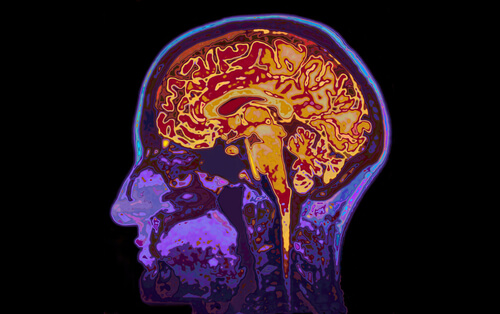
Alzheimer’s disease is caused by a build up of proteins in the brain called plaques and tangles. These proteins are nothing to do with the protein we eat, but are proteins called amyloid and tau. These are produced naturally while tau is essential for healthy brain function, amyloid is toxic.
When these proteins build up or become tangled, they interfere with messaging between brain cells and thereby damage the brain’s ability to function.
What are the symptoms of Alzheimer’s disease?
Age is the most prevalent factor in developing Alzheimer’s disease. Many older people experience minor cognitive decline but if they have Alzheimer’s, these symptoms will worsen over months or years. Early on, people can often continue their lives as normal. Late-stage dementia can impair people’s ability to function, talk or even walk.
Alzheimer’s disease can occur in people under 65. If you are experiencing any of the following symptoms, particularly if they are worsening, speak to your GP.
- Memory loss, particularly in retaining new information as opposed to remembering things from your past
- Confusion
- Difficulty concentrating, such as on a conversation, book or TV programme
- Difficulty with analysing information and decision-making.
- Often not knowing what day or time of day it without looking at a clock or calendar
- Losing things
- Being unable to complete daily tasks or continuing with social commitments due to poor memory or confusion.
How do you diagnose Alzheimer’s disease?
If you suspect that you or a loved one may be developing Alzheimer’s disease, speak to your GP who will arrange an assessment.
A cognitive assessment is performed by a medical professional. It includes questions such as, ‘Who is the current prime minister?’ to test your awareness. They will then use pictures, cards or text to test your memory, analysis skills and ability to concentrate. They may do tasks such as slowly and clearly saying a list of words and seeing how many of them you can remember straight away and after a few minutes.
This medical professional will score you in each aspect of cognitive function and liaise with your doctor. You won’t necessarily be diagnosed with dementia if your scores are low. They will take into account other factors such as your medical history and lifestyle.
Treatment for Alzheimer’s disease
As yet, there isn’t a cure for Alzheimer’s disease and approximately one in three people with the disease will eventually die from it. The disease can be managed and even slowed with medication and lifestyle changes.
Medications called cholinesterase inhibitors can improve brain function and cognitive ability. They are often prescribed alongside a drug called memantine, which has similar effects.
Leading a healthy lifestyle can also improve symptoms, such as not smoking, not drinking excessive amounts of alcohol regular exercise and getting enough sleep. Daily brain exercises can also be helpful, such as sudoku or crosswords. Learning a second language has been found to improve connections in the brain.
What is the latest research on Alzheimer’s disease?
Named for the man who identified these plaques and tangles, Alois Alzheimer, Alzheimer’s disease is one of the best understood forms of dementia with a lot of research being done to find a cure all over the world. Given that Alois Alzheimer made his discovery little over a hundred years ago, investigations into the disease are making good progress and the future looks bright.
Here in the UK, there are many ongoing projects into the diagnosis, prevention of, risk factors, symptoms, understanding and possible treatments for Alzheimer’s disease. These range from ‘What role does the tau protein play in dementia?’ to ‘Understanding the link between dementia and hearing loss’. To read more about current studies, visit Alzheimer’s Research UK’s projects page.
If you would like to donate towards research into Alzheimer’s disease, you can donate to Alzheimer’s Research UK.
Next steps
- Book a GP appointment: Arrange an assessment if you or someone you care for has persistent or worsening problems with memory, concentration or confusion.
- Prepare for the assessment: Note when symptoms began, how they have changed and any difficulties with everyday activities to discuss with the GP.
- Compare suitable care options: Search carehome.co.uk to find and compare dementia care homes, including fees, facilities and reviews from families.
- Explore trusted support: Look at resources from organisations such as Alzheimer’s Society or Alzheimer’s Research UK for information about living with Alzheimer’s and current research.
FAQs
What causes Alzheimer’s disease?
Alzheimer’s disease is the most common form of dementia. This form is caused by a build-up of proteins, called tau and amyloid proteins in the brain. These build-ups create plaques and tangles, that affect the ability of brain cells to communicate with each other and thereby the brain’s ability to function.
What are the symptoms of Alzheimer’s disease?
Common symptoms of Alzheimer’s disease include memory loss and confusion. Somebody with the disease may find it particularly hard to form new memories, but may be able to remember events from years ago in great detail. However, as the disease progresses, they may forget more and more about their past. Other symptoms include difficulty with analysis, concentration and completing daily tasks.
How can I be assessed for Alzheimer’s disease?
If you are concerned that you or a loved one may have Alzheimer’s disease, your GP can arrange a cognitive assessment. This assessment will include questions to test your awareness of the world around you and various memory tests. Your lifestyle will also be taken into account before diagnosis, such as your alcohol intake.
Looking for a care home?
Search for care homes near you, compare fees, and read reviews from families to help you choose.
