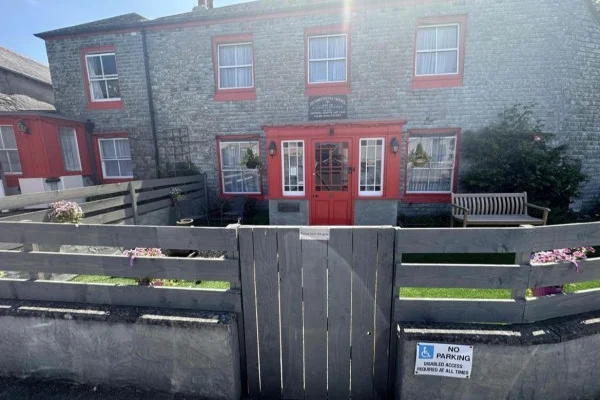
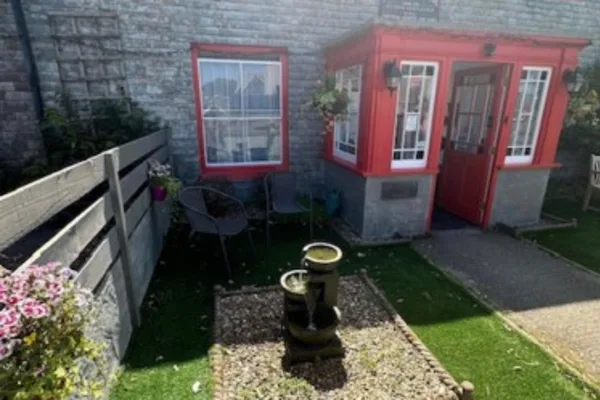



Nestled in the coastal town of Hayle, Cornwall, this small 15-bedroom residential care home offers a warm, homely environment where residents feel valued, safe, and truly at ease.
With its welcoming atmosphere and thoughtfully designed rooms, the home combines comfort with high-quality, person-centred care tailored to each individual’s needs.
The close-knit size allows staff to build meaningful relationships with residents, ensuring attentive support, companionship, and continuity of care. Surrounded by the...
Care Provided by Penmeneth House
Primary Care Categories
- Older Person Care
- Dementia
Length of Stay
- Permanent Care
- Respite Care
Care Types Provided
- Residential Care
- Dementia Residential Care
- For a maximum of 15 Service Users
Dementia Care TypesMild Dementia
Someone living with our definition of "mild dementia" might experience some or all of the following:
- Memory problems such as misplacing items and not be able to recall recent events (however, in some forms of dementia a person's memory may be unchanged)
- Difficulties thinking through problems and planning, making decisions
- Language and communication issues such as finding it difficult to recall the appropriate word in a conversation or following a conversation
- Poor orientation, getting lost in areas previously familiar to them
- Difficulty judging distances (more falls than usual)
- Changes in their normal mood including anxiety and depression
- In certain types of dementia, personality and behaviour changes may be present alongside or instead of issues with memory or concentration.
Moderate Dementia
Someone living with our definition of "moderate dementia" might experience some or all of the following:
- Worsened memory problems. Not always recognising own family members and friends. Repeating the same questions over and over again
- Worsened language and communication issues, forgetting what they are saying mid-sentence. Not being able to understand what someone else is saying
- More frequent confusion, e.g. about the time of day or where they are, including their own home
- Apathy, depression and anxiety
- Believing things that aren't true (paranoia)
- Frequent hallucinations
- Lack of emotional control, quick to anger, fearfulness, sadness
- Loss of inhibition
- Difficulties sleeping or waking during the night and behaving as though it is daytime - loss of circadian rhythm.
Advanced Dementia
Someone living with our definition of "severe dementia" might experience some or all of the following:
- Severe memory problems. Not recognising family members and friends. Not being able to recall their own name
- Severe language and communication issues, not being able to understand what someone else is saying
- Severe confusion, e.g. about the time of day or where they are, including their own home
- Apathy, depression and anxiety
- Believing things that aren't true (paranoia)
- Frequent hallucinations
- Lack of emotional control, quick to anger, fearfulness, sadness
- Loss of inhibition
- Difficulties sleeping or waking during the night and behaving as though it is daytime - loss of circadian rhythm.
Verbally or physically aggressive behaviour
If your loved one displays this type of behaviour you may need a care home that has specially trained staff. Verbal/physical aggression is often defined:
- Consistent shouting and screaming
- Verbal abuse
- Physical abuse
How we define Dementia Care Types
Mild Dementia
Someone living with our definition of "mild dementia" might experience some or all of the following:
- Memory problems such as misplacing items and not be able to recall recent events (however, in some forms of dementia a person's memory may be unchanged)
- Difficulties thinking through problems and planning, making decisions
- Language and communication issues such as finding it difficult to recall the appropriate word in a conversation or following a conversation
- Poor orientation, getting lost in areas previously familiar to them
- Difficulty judging distances (more falls than usual)
- Changes in their normal mood including anxiety and depression
- In certain types of dementia, personality and behaviour changes may be present alongside or instead of issues with memory or concentration.
Moderate Dementia
Someone living with our definition of "moderate dementia" might experience some or all of the following:
- Worsened memory problems. Not always recognising own family members and friends. Repeating the same questions over and over again
- Worsened language and communication issues, forgetting what they are saying mid-sentence. Not being able to understand what someone else is saying
- More frequent confusion, e.g. about the time of day or where they are, including their own home
- Apathy, depression and anxiety
- Believing things that aren't true (paranoia)
- Frequent hallucinations
- Lack of emotional control, quick to anger, fearfulness, sadness
- Loss of inhibition
- Difficulties sleeping or waking during the night and behaving as though it is daytime - loss of circadian rhythm.
Advanced Dementia
Someone living with our definition of "severe dementia" might experience some or all of the following:
- Severe memory problems. Not recognising family members and friends. Not being able to recall their own name
- Severe language and communication issues, not being able to understand what someone else is saying
- Severe confusion, e.g. about the time of day or where they are, including their own home
- Apathy, depression and anxiety
- Believing things that aren't true (paranoia)
- Frequent hallucinations
- Lack of emotional control, quick to anger, fearfulness, sadness
- Loss of inhibition
- Difficulties sleeping or waking during the night and behaving as though it is daytime - loss of circadian rhythm.
Verbally or physically aggressive behaviour
If your loved one displays this type of behaviour you may need a care home that has specially trained staff. Verbal/physical aggression is often defined:
- Consistent shouting and screaming
- Verbal abuse
- Physical abuse
How we define Dementia Care Types
- Mild Dementia
- Moderate Dementia
- Advanced/Complex Dementia
Other Care Provided
- Parkinson's Disease
- Stroke
- Palliative / End of Life Care
- COPD/Pulmonary Disease
- Bariatric Care/Obesity
- Convalescent Care
- Acquired Brain Injury (ABI)

Facilities
- Own Furniture if required
- Smoking not permitted
- Close to Local shops
- Near Public Transport
- Minibus or other transport
- Stairlift
- Wheelchair Access
- Gardens
- Phone Point in own room
- Television point in own room
- Residents Internet Access
Funding & Fees
Weekly Charges per Person
Please get in touch with our team for an individualised price based on your care requirements.
The price(s) shown are provided by the care home. Contact Penmeneth House for full pricing details and T&Cs.
Contact Penmeneth House to confirm what's included and get a personalised quote:
Funding Types Accepted
- Self-Funding (Private)
- Local Authority with Top-up
- Local Authority
- NHS Continuing Healthcare (CHC)
Good to Know
Owner
- MPS Care (Hayle) Ltd
- Private Owned
Person in charge
- Danielle Champley(Registered Manager)
Local Authority / Social Services
Admission Information
- Mixed (no single-gender units)
- Ages 65+
Care Home Design/Build
- Purpose Built: No
- Last Refurbishment: 2018
- Number of floors: 3
Room Information
- Single Rooms (15)
- Single Rooms with ensuite Wet Room (1)
Visiting
- 🌼 Protected Mealtimes at this Home 🌼 At Penmeneth House, mealtimes are more than just a routine—they are an important part of the residents’ wellbeing, comfort, and enjoyment. To help create a calm and positive dining experience, the team proudly follow Protected Mealtime guidelines. 🍽️ What Protected Mealtimes Mean: ✨ A peaceful, relaxed environment ✨ Minimal interruptions during meals ✨ Staff fully available to support residents with dignity and respect ✨ Extra time for those who need encouragement or assistance ✨ Focus on nutrition, hydration, and social connection The team kindly ask families, visitors, and professionals to support this by avoiding non-urgent visits during mealtimes. This helps them ensure every resident receives the attention, comfort, and unrushed support they deserve. — With care, The Team at Penmeneth House 💛
Parking
- Limited street parking
Penmeneth House Reviews (21)
Penmeneth House has a Review Score of 9.3 (9.307) out of 10, based on 5 reviews in the last 2 years.
Over all time Penmeneth House has 21 reviews.
The staff a very obliging and helpful in every way, nothing is too much trouble for them.
Residents are treated with the utmost care and consideration.
I would recommend this home for loved ones needing that extra care and support.
Regulatory Rating
Care Quality Commission (CQC) Rating
Date: 31 August 2022Good
- CaringGood
- EffectiveRequires improvement
- ResponsiveGood
- SafeGood
- Well-ledGood
Inspection ratings
We rate most services according to how safe, effective, caring, responsive and well-led they are, using four levels:
- Outstanding - The service is performing exceptionally well.
- Good - The service is performing well and meeting our expectations.
- Requires Improvement - The service isn't performing as well as it should and we have told the service how it must improve.
- Inadequate - The service is performing badly and we've taken action against the person or organisation that runs it.
- Not rated - we have not yet rated this area of the service, this is normally because the assessments we have carried out have been focused on other key questions.
Bed Vacancies
Please contact us for latest vacancies.
News (0) & Events (0)
There are no news items for Penmeneth House.
There are no upcoming events for Penmeneth House.
Awards / Recognitions (0)
There are currently no awards/recognitions posted yet for Penmeneth House.
Accreditations
There are no accreditations posted yet for Penmeneth House.
Meet the Team (3)

To be responsible to the registered provider for the day-to-day running of the home.
To be accountable for the home’s operations and activities.
To ensure that the home operates according to its registration status and conditions and complies with all legal requirements.
To manage the home to achieve the best possible outcomes for its service users.
To keep service users safe and well-protected at all times.To develop, promote and maintain high standards of care and best practice.
To develop, implement and maintain the systems and structures needed to run the home in the interests of its service users.
To develop and manage effectively and efficiently the financial, human and material resources needed by the home.
To be an ambassador for the home, promoting and marketing its services.
To ensure the home remains financially viable.To ensure that all staff are informed about and work according to the Codes of Practice for social care and (where applicable) nursing professionals.

A Training Manager is responsible for identifying and assessing training needs, creating tailored training plans, and implementing various training methods to enhance employees' skills and performance.
• Determining and assessing an organisation’s training and employee development needs• Creating training materials and programmes to address specific business objectives
• Writing reports, keeping records and managing training budgets
• Working with employees, the human resources teams and management to ensure the achievement of training objectives
• Monitoring and assessing the effectiveness and success of training programmes
• Keeping up-to-date on the latest training trends, developments and best practices
• Identifying and implementing a wide range of training techniques to improve efficiency and returns on investment
• Managing employee enrollment for training, scheduling training sessions and organizing the resources to facilitate training programmes.

Care:
• Ensuring all Staff Members contribute to the best of their ability to the efficient running of the Home, and the creation of an atmosphere conducive to the best interests of Clients.• Interacting with Clients to ensure that their health care needs are being met and resolving any problems where appropriate.
• Reporting any ill health among Clients and making requests for GP / Professional visits where necessary.
• Ensuring meals are of sufficient quantity and good quality, and that the Client’s dietary needs are met.
• Undertaking general work and personal care as appropriate.
• Administering prescribed medicines and maintaining the necessary records as per Company guidelines.
• Auditing Care Plan documentation, to ensure best practice, on a three-monthly basis.
• Practicing maximum integrity in all dealings with Clients' personal and financial affairs when required and avoiding abuse of the privileged relationship that exists with Clients.
Communication:
• Maintaining effective communications with the Home Manager.• As requested by, and/or in the absence of, the Home Manager maintaining effective communications with Clients, Relatives, Staff Members, and any other concerned bodies
Information on this page is displayed without responsibility for its accuracy on the part of carehome.co.uk. Please contact Penmeneth House to verify any information. View our terms and conditions. Penmeneth House has an Enhanced Service -more info.