Loading travel time


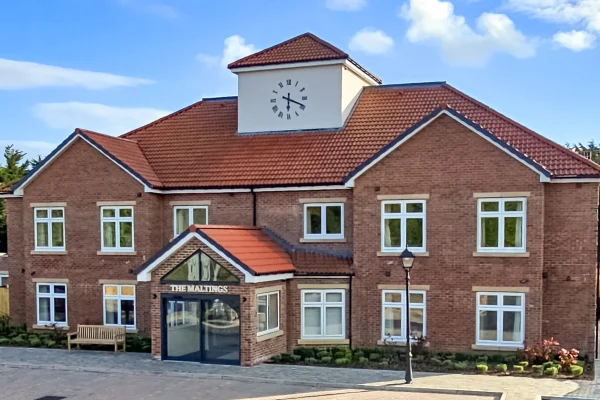

Care Provided by The Woodlands
Primary Care Categories
- Older Person Care
- Dementia
- Physical Disability
- Visual / Hearing Impairment
Length of Stay
- Permanent Care
- Respite Care
Care Types Provided
- Residential Care
- Dementia Residential Care
- For a maximum of 56 Service Users
Dementia Care Types
- Mild Dementia
- Moderate Dementia
Other Care Provided
- Parkinson's Disease
- Stroke
- Palliative / End of Life Care
- COPD/Pulmonary Disease
- Bariatric Care/Obesity
- Acquired Brain Injury (ABI)
Facilities
- Smoking not permitted
- Close to Local shops
- Near Public Transport
- Lift
- Wheelchair Access
- Gardens
- Television point in own room
Funding & Fees
Weekly Charges per Person
Additional fees will be charge for the following optional services:
Hairdressing - A local hairdresser, visits the home weekly.
Footcare - A foot care specialist visits every 6-8 weeks to provide foot care and chiropody.
Dentistry & Ophthalmology - We can register residents for in-house dental check ups and eye tests, with a local dentistry team and local ophthalmologist, if they prefer.
Escorts to appointment - For hospital appointments a member of staff can accompany a resident if needed. (This may incur an additional cost)
In house shop - We have an in-house shop for the purchase of toiletries, sweets and other snacks.
Hairdressing - A local hairdresser, visits the home weekly.
Footcare - A foot care specialist visits every 6-8 weeks to provide foot care and chiropody.
Dentistry & Ophthalmology - We can register residents for in-house dental check ups and eye tests, with a local dentistry team and local ophthalmologist, if they prefer.
Escorts to appointment - For hospital appointments a member of staff can accompany a resident if needed. (This may incur an additional cost)
In house shop - We have an in-house shop for the purchase of toiletries, sweets and other snacks.
If a resident would like a newspaper or magazine, delivery can be arranged.
The price(s) shown are provided by the care home. Contact The Woodlands for full pricing details and T&Cs.
Contact The Woodlands to confirm what's included and get a personalised quote
Funding Types Accepted
- Self-Funding (Private)
- Local Authority with Top-up
- Local Authority
- NHS Continuing Healthcare (CHC)
Good to Know
Group / Owner
- Harmony Care Consortium Ltd
- Private Owned
Person in charge
- Julie Madden (Manager)
Local Authority / Social Services
Admission Information
- Ages 65+
Care Home Design/Build
- Purpose Built: Yes
- Year Purpose Built: 1993
- Last Refurbishment: -1
- Number of floors: 2
Room Information
- Single Rooms (46)
- Couples/Companion Rooms (5)
Visiting
- Protected meal times, so ask all visitors to avoid visiting during meals. Breakfast is 8.00 - 10.00, lunch is 12.00 - 13.30 & tea is 16.30 - 18.00.
Parking
- Large car park with disabled parking.
Are you the Owner/Manager of The Woodlands?View your Advertising Options
The Woodlands Reviews (3)
8.3
The Woodlands has a Review Score of 8.3 (8.262) out of 10, based on 2 reviews in the last 2 years.
Over all time The Woodlands has 3 reviews.
Filter Reviews
Overall Experience
Date Published
Reviewer Connection to The Woodlands
Loading...
Review from D E (Granddaughter of Resident) published on 9 September 2026 Submitted via Website•
Overall Experience
I cannot thank the team at Woodlands enough for the incredible care they provided to my Nan. The staff were absolutely brilliant from day one. They were always incredibly kind, patient, and treated her with so much dignity and respect.The manager was also fantastic. Nothing was ever too much...
I cannot thank the team at Woodlands enough for the incredible care they provided to my Nan. The staff were absolutely brilliant from day one. They were always incredibly kind, patient, and treated her with so much dignity and respect.The manager was also fantastic. Nothing was ever too much trouble for them. Whenever we had a question or needed something arranged, they always sorted it out quickly and with a smile. It gave our family immense peace of mind knowing she was in such safe, caring hands. Thank you all so much for everything you do.
Review from C C (Granddaughter of Resident) published on 28 August 2026 Submitted via Website•
Overall Experience
I cannot thank the team and manager at Woodlands Care Home enough for the wonderful care they provided to my grandma. From the moment she arrived, she was treated with kindness, dignity, and genuine compassion.
The staff consistently went above and beyond to make sure she was comfortable, happy,...
I cannot thank the team and manager at Woodlands Care Home enough for the wonderful care they provided to my grandma. From the moment she arrived, she was treated with kindness, dignity, and genuine compassion.
The staff consistently went above and beyond to make sure she was comfortable, happy, and well looked after. Nothing ever seemed too much trouble, and it was clear that every member of the team truly cared about the residents and their wellbeing.
What stood out most was the respect and dignity they showed my grandma every single day. They took the time to get to know her as a person, not just a resident, and always made her feel valued and included. The staff were incredibly friendly, approachable, and supportive to both residents and families alike.
My grandma genuinely loved her time at Woodlands and often spoke about how kind everyone was to her. Knowing she was safe, cared for, and happy gave our family great peace of mind.
I would highly recommend Woodlands Care Home
↩Reply from Rahmeez Younas, Director at The Woodlands
Thankyou so much for kind words for all the team at Woodlands
Review from G P (Resident / Service User) published on 29 June 2017 Submitted via Review Postal Card•
Overall Experience
The whole environment and staff made my respite stay a very enjoyable experience.
The whole environment and staff made my respite stay a very enjoyable experience.
Bed Vacancies
Please contact us for latest vacancies.
News (0) & Events (0)
News
There are no news items for The Woodlands.
Upcoming Events
There are no upcoming events for The Woodlands.
Awards / Recognitions (0)
There are currently no awards/recognitions posted yet for The Woodlands.
Accreditations
There are no accreditations posted yet for The Woodlands.
Meet the Team (0)
There are no Team Members posted yet.
Frequently Asked Questions about The Woodlands
What types of Care is The Woodlands registered for?
Older Person Care, Dementia, Physical Disability, Visual / Hearing Impairment are the registered (by the Care Quality Commission) categories of Care.
How many Rooms does The Woodlands have?
There are 46 Single Rooms and 5 Couples/Companion Rooms.
What are the Facilities & Services at The Woodlands?
Smoking not permitted, Close to Local shops, Near Public Transport, Lift, Wheelchair Access, Gardens, Television point in own room are some of the Facilities & Services.
How far is The Woodlands to the centre of Driffield?
0.5 mile(s) as the crow flies, distance by road may be significantly further.
Information on this page is displayed without responsibility for its accuracy on the part of carehome.co.uk. Please contact The Woodlands to verify any information. View our terms and conditions. The Woodlands has a Basic Service -what a Basic Service includes.