Loading travel time
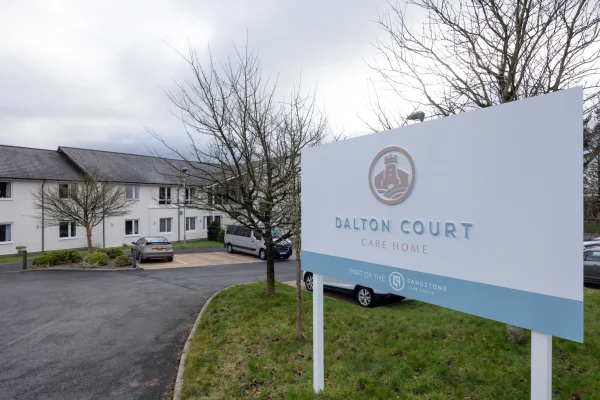

Care Provided by Inglewood
Primary Care Categories
- Older Person Care
- Dementia
- Physical Disability
- Visual / Hearing Impairment
Length of Stay
- Permanent Care
- Respite Care
Care Types Provided
- Residential Care
- Dementia Residential Care
- For a maximum of 38 Service Users
Dementia Care Types
- Mild Dementia
- Moderate Dementia
Facilities
- Gardens
Funding & Fees
Contact Inglewood to confirm what's included and get a personalised quote
Funding Types Accepted
- Self-Funding (Private)
- Local Authority with Top-up
- Local Authority
- NHS Continuing Healthcare (CHC)
Good to Know
Group / Owner
- Cumberland Council
- Local Authority Owned
Person in charge
- Laura Mcavoy (Manager)
Admission Information
- Ages 65+
Care Home Design/Build
- Purpose Built: Yes
Room Information
- Single Rooms (38)
Are you the Owner/Manager of Inglewood?View your Advertising Options
Inglewood Reviews (1)
Over all time Inglewood has 1 review.
Filter Reviews
Overall Experience
Date Published
Reviewer Connection to Inglewood
Loading...
Review from Chris R (Daughter of Resident) published on 4 September 2017 Submitted via Website•
Overall Experience
My mum has been at Inglewood for three years now and I have nothing but praise for the care she has received there. She and her room are kept clean and well cared for. The food is nourishing, well balanced and appetising, thanks to the excellent catering staff.
The team at Inglewood is well led...
My mum has been at Inglewood for three years now and I have nothing but praise for the care she has received there. She and her room are kept clean and well cared for. The food is nourishing, well balanced and appetising, thanks to the excellent catering staff.
The team at Inglewood is well led by example from the management and senior staff. The care staff work hard and always go the extra mile to ensure Mum is happy and comfortable. There is a generally welcoming and pleasant atmosphere and unlike many care homes, Inglewood smells fragrant! This is due to the diligent cleaning staff and also the care workers on the individual units.
Having worked in nursing homes and hospitals myself it is quite evident that Inglewood stands out as a centre of excellence as a care home and training centre. Their recent assessment award as 'outstanding'
The team at Inglewood is well led by example from the management and senior staff. The care staff work hard and always go the extra mile to ensure Mum is happy and comfortable. There is a generally welcoming and pleasant atmosphere and unlike many care homes, Inglewood smells fragrant! This is due to the diligent cleaning staff and also the care workers on the individual units.
Having worked in nursing homes and hospitals myself it is quite evident that Inglewood stands out as a centre of excellence as a care home and training centre. Their recent assessment award as 'outstanding'
is well deserved and I have no reservations in recommending this well run establishment.
Bed Vacancies
Please contact us for latest vacancies.
News (0) & Events (0)
News
There are no news items for Inglewood.
Upcoming Events
There are no upcoming events for Inglewood.
Awards / Recognitions (0)
There are currently no awards/recognitions posted yet for Inglewood.
Accreditations
There are no accreditations posted yet for Inglewood.
Meet the Team (0)
There are no Team Members posted yet.
Frequently Asked Questions about Inglewood
What types of Care is Inglewood registered for?
Older Person Care, Dementia, Physical Disability, Visual / Hearing Impairment are the registered (by the Care Quality Commission) categories of Care.
How many Rooms does Inglewood have?
There are 38 Single Rooms.
What are the Facilities & Services at Inglewood?
Gardens is one of the Facilities & Services.
How far is Inglewood to the centre of Wigton?
0.4 mile(s) as the crow flies, distance by road may be significantly further.
Information on this page is displayed without responsibility for its accuracy on the part of carehome.co.uk. Please contact Inglewood to verify any information. View our terms and conditions. Inglewood has a Basic Service -what a Basic Service includes.