- UK Care Homes Search
- Care Homes in Scotland
- Care Homes in Lanarkshire
- Care Homes in South Lanarkshire Area
- Care Homes in Glasgow
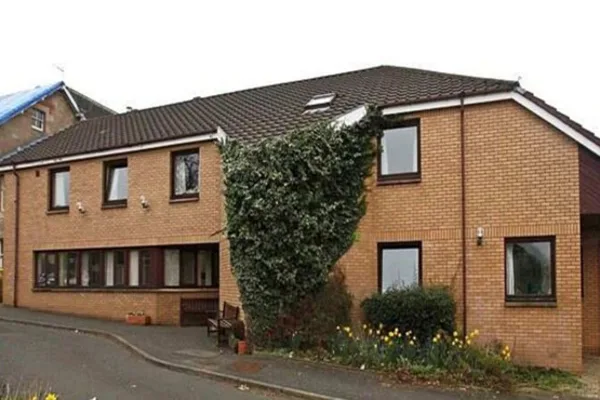
- Abbeyfield Rutherglen Society care home


Eastpark Gardens, Abbeyfield Rutherglen offers high quality residential and nursing care for elderly persons over 65 years, delivered by a team of highly trained well managed staff. Their primary objective is to improve the quality of life of the residents and their families.
Abbeyfield Rutherglen, is a nonprofit making organisation which is located in a quiet residential area of Rutherglen and it comprises of a modern purpose-built houses sited within large...
Care Provided by Abbeyfield Rutherglen Society
Primary Care Categories
- Older Person Care
- Dementia
- Visual / Hearing Impairment
Length of Stay
- Permanent Care
Care Types Provided
- Residential Care
- Nursing Care
- Dementia Residential Care
- Dementia Nursing Care
- For a maximum of 18 Service Users
Dementia Care TypesMild Dementia
Someone living with our definition of "mild dementia" might experience some or all of the following:
- Memory problems such as misplacing items and not be able to recall recent events (however, in some forms of dementia a person's memory may be unchanged)
- Difficulties thinking through problems and planning, making decisions
- Language and communication issues such as finding it difficult to recall the appropriate word in a conversation or following a conversation
- Poor orientation, getting lost in areas previously familiar to them
- Difficulty judging distances (more falls than usual)
- Changes in their normal mood including anxiety and depression
- In certain types of dementia, personality and behaviour changes may be present alongside or instead of issues with memory or concentration.
Moderate Dementia
Someone living with our definition of "moderate dementia" might experience some or all of the following:
- Worsened memory problems. Not always recognising own family members and friends. Repeating the same questions over and over again
- Worsened language and communication issues, forgetting what they are saying mid-sentence. Not being able to understand what someone else is saying
- More frequent confusion, e.g. about the time of day or where they are, including their own home
- Apathy, depression and anxiety
- Believing things that aren't true (paranoia)
- Frequent hallucinations
- Lack of emotional control, quick to anger, fearfulness, sadness
- Loss of inhibition
- Difficulties sleeping or waking during the night and behaving as though it is daytime - loss of circadian rhythm.
Advanced Dementia
Someone living with our definition of "severe dementia" might experience some or all of the following:
- Severe memory problems. Not recognising family members and friends. Not being able to recall their own name
- Severe language and communication issues, not being able to understand what someone else is saying
- Severe confusion, e.g. about the time of day or where they are, including their own home
- Apathy, depression and anxiety
- Believing things that aren't true (paranoia)
- Frequent hallucinations
- Lack of emotional control, quick to anger, fearfulness, sadness
- Loss of inhibition
- Difficulties sleeping or waking during the night and behaving as though it is daytime - loss of circadian rhythm.
Verbally or physically aggressive behaviour
If your loved one displays this type of behaviour you may need a care home that has specially trained staff. Verbal/physical aggression is often defined:
- Consistent shouting and screaming
- Verbal abuse
- Physical abuse
How we define Dementia Care Types
Mild Dementia
Someone living with our definition of "mild dementia" might experience some or all of the following:
- Memory problems such as misplacing items and not be able to recall recent events (however, in some forms of dementia a person's memory may be unchanged)
- Difficulties thinking through problems and planning, making decisions
- Language and communication issues such as finding it difficult to recall the appropriate word in a conversation or following a conversation
- Poor orientation, getting lost in areas previously familiar to them
- Difficulty judging distances (more falls than usual)
- Changes in their normal mood including anxiety and depression
- In certain types of dementia, personality and behaviour changes may be present alongside or instead of issues with memory or concentration.
Moderate Dementia
Someone living with our definition of "moderate dementia" might experience some or all of the following:
- Worsened memory problems. Not always recognising own family members and friends. Repeating the same questions over and over again
- Worsened language and communication issues, forgetting what they are saying mid-sentence. Not being able to understand what someone else is saying
- More frequent confusion, e.g. about the time of day or where they are, including their own home
- Apathy, depression and anxiety
- Believing things that aren't true (paranoia)
- Frequent hallucinations
- Lack of emotional control, quick to anger, fearfulness, sadness
- Loss of inhibition
- Difficulties sleeping or waking during the night and behaving as though it is daytime - loss of circadian rhythm.
Advanced Dementia
Someone living with our definition of "severe dementia" might experience some or all of the following:
- Severe memory problems. Not recognising family members and friends. Not being able to recall their own name
- Severe language and communication issues, not being able to understand what someone else is saying
- Severe confusion, e.g. about the time of day or where they are, including their own home
- Apathy, depression and anxiety
- Believing things that aren't true (paranoia)
- Frequent hallucinations
- Lack of emotional control, quick to anger, fearfulness, sadness
- Loss of inhibition
- Difficulties sleeping or waking during the night and behaving as though it is daytime - loss of circadian rhythm.
Verbally or physically aggressive behaviour
If your loved one displays this type of behaviour you may need a care home that has specially trained staff. Verbal/physical aggression is often defined:
- Consistent shouting and screaming
- Verbal abuse
- Physical abuse
How we define Dementia Care Types
- Mild Dementia
- Moderate Dementia
Other Care Provided
- Parkinson's Disease
- Stroke
- Palliative / End of Life Care
- COPD/Pulmonary Disease
- Bariatric Care/Obesity
Facilities
- Own Furniture if required
- Close to Local shops
- Near Public Transport
- Lift
- Wheelchair Access
- Gardens
- Phone Point in own room
- Television point in own room
Funding & Fees
Weekly Charges per Person
The price(s) shown are provided by the care home. Contact Abbeyfield Rutherglen Society for full pricing details and T&Cs.
Contact Abbeyfield Rutherglen Society to confirm what's included and get a personalised quote:
Funding Types Accepted
- Self-Funding (Private)
- Local Authority with Top-up
- Local Authority
Support you may be entitled to
- If you choose a care home based in Scotland, you may be eligible for the Scottish Government's Free Personal Care funding of up to £260.30 per week (if you are over the age of 65) and Free Nursing Care funding of up to £117.10 per week. This support is not reflected in this fee amount.
Good to Know
Group / Owner
- Abbeyfield Member Societies
- Voluntary / Not for Profit Owned
Person in charge
- Michelle Mclure (Manager)
Local Authority / Social Services
Admission Information
- Ages 65+
Care Home Design/Build
- Purpose Built: Yes
- Year Purpose Built: 1991
- Last Refurbishment: 2024
- Number of floors: 2
Room Information
- Single Rooms (18)
- Single Rooms with ensuite Wet Room (7)
Visiting
- Visitors are welcome at any time and visits can take place within the residents’ room or in one of the home's comfortable lounge areas. Visitors are also very welcome to join staff and the other residents for a meal and join the group on social occasions and fun activities.
Parking
- On site parking available.
Abbeyfield Rutherglen Society Reviews (5)
Abbeyfield Rutherglen Society has a Review Score of 9.1 (9.107) out of 10, based on 5 reviews in the last 2 years.
Over all time Abbeyfield Rutherglen Society has 5 reviews.
Every single member of staff is outstanding: they are kind, patient, respectful and truly attentive. They know mum as an individual, not just a resident, and it's clear they genuinely care about her wellbeing. Nothing is too much trouble, and they always keep me updated about how she is doing.
The food is lovely - there is plenty of choice, and the home and rooms are always kept clean and tidy.
There is also such a good range of activities going on - from gentle exercises and quizzes to music, crafts and social afternoons. It's wonderful to see her joining in, chatting with others and keeping occupied.
It really feels like a home from home and I know she is in the safest, best possible hands.
Thank you to everyone of you for all that you do.
I would absolutely recommend this home to anyone who is looking for care for a loved one.
Jean always appears comfortable as she is bed bound now and it's good to know she is safe in this lovely environment
My mum has been a resident since January 2022 and continues to receive good care from the staff at Abbeyfield. Both staff and management are very approachable when we have any queries regarding mum's care. In recent years there has been a huge change of management and staff but hopefully it will settle down now and have continuity of staff that the residents know and feel safe with. I feel it is necessary to have trust in those looking after your parent/loved one.
My Dad has been a resident for almost 3 years during this time he has been settled and well cared for by the regular staff who have taken the time to get to know his needs and character. The home is small and family friendly and does not have the clinical feel some larger care homes have. The choice of food is varied and nutritious.
When visiting, the staff have been lovely and helpful. The home has a friendly and professional atmosphere. The rooms are clean, comfortable and spacious. All the equipment for moving and handling is at hand along with the PPE required. All in, I have found it a very positive experience.
Regulatory Rating
Care Inspectorate (CI) Rating
Date: 05 December 2025- How well do we support people's wellbeing?Good
(4)
- How good is our leadership?Adequate
(3)
- How good is our staff team?Adequate
(3)
- How good is our setting?Good
(4)
- How well is care and support planned?Adequate
(3)
Bed Vacancies
Please contact us for latest vacancies.
News (0) & Events (0)
There are no news items for Abbeyfield Rutherglen Society.
There are no upcoming events for Abbeyfield Rutherglen Society.
Awards / Recognitions (0)
There are currently no awards/recognitions posted yet for Abbeyfield Rutherglen Society.
Accreditations
There are no accreditations posted yet for Abbeyfield Rutherglen Society.
Meet the Team (0)
There are no Team Members posted yet.
Frequently Asked Questions about Abbeyfield Rutherglen Society
What types of Care is Abbeyfield Rutherglen Society registered for?
Older Person Care, Dementia, Visual / Hearing Impairment are the registered (by the Care Quality Commission) categories of Care.
How many Rooms does Abbeyfield Rutherglen Society have?
There are 18 Single Rooms.
What are the Facilities & Services at Abbeyfield Rutherglen Society?
Own Furniture if required, Close to Local shops, Near Public Transport, Lift, Wheelchair Access, Gardens, Phone Point in own room, Television point in own room are some of the Facilities & Services.
How far is Abbeyfield Rutherglen Society to the centre of Glasgow?
3.6 mile(s) as the crow flies, distance by road may be significantly further.
Information on this page is displayed without responsibility for its accuracy on the part of carehome.co.uk. Please contact Abbeyfield Rutherglen Society to verify any information. View our terms and conditions. Abbeyfield Rutherglen Society has an Enhanced Service -more info.