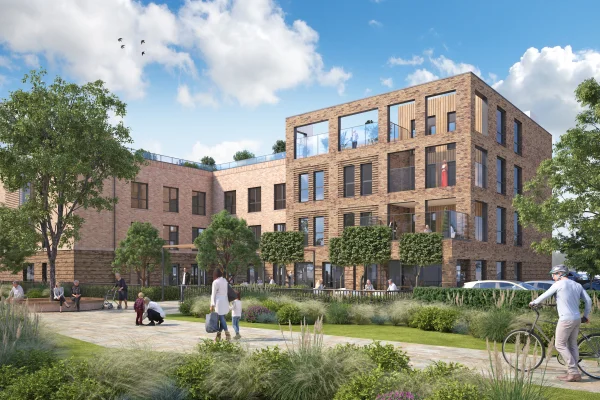
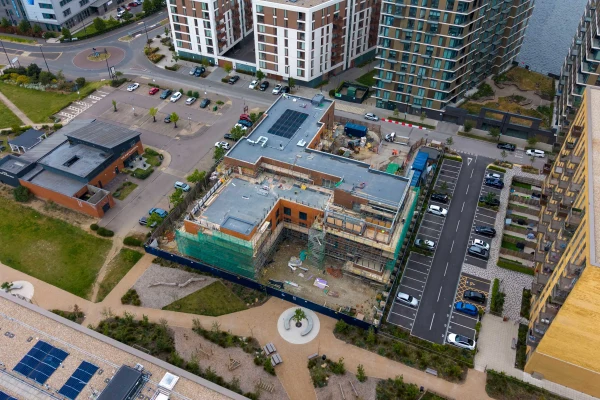
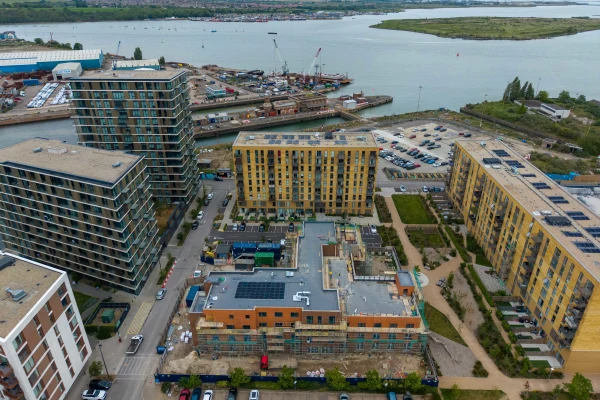
Chatham Waters believes peoples later lives should be lived with dignity, comfort, and meaningful connection. Every resident is treated with deep respect, with autonomy and individuality always honoured.
Care should never feel clinical or transactional; it should be personal and will be emotionally supportive from a ‘One Team’ approach. Chatham Waters ‘One Team’ approach benefits from:
• Clear recognition that every role, from care to housekeeping, equally shapes and shares in resident’s...
Chatham Waters believes peoples later lives should be lived with dignity, comfort, and meaningful connection. Every resident is treated with deep respect, with autonomy and individuality always honoured.
Care should never feel clinical or transactional; it should be personal and will be emotionally supportive from a ‘One Team’ approach. Chatham Waters ‘One Team’ approach benefits from:
• Clear recognition that every role, from care to housekeeping, equally shapes and shares in resident’s experience
• Training in emotional intelligence, dementia awareness, and inclusive communication
• A culture of mutual respect, and ongoing development
Chatham Waters invests in the team because confident, supported and integrated teams deliver the very best care. Families deserve clarity and peace of mind, which is why Chatham Waters Care Home, its people and services have been designed with that full intention from the ground up. Chatham Waters vision is to create a true sanctuary where people feel safe, valued, and at home. Every architectural choice, texture, and amenity contributes to an environment and experience that nurtures mind, body, and soul. Chatham Waters care is grounded in its core values, creating a home where every resident feels safe, respected, and connected. Removing complexity, honouring individuality, and delivering emotionally intelligent, high quality and compassionate care.
Core Values - Three commitments that shape everything Chatham Waters does:
Compassion - To go beyond expectations with care that is truly compassionate and shaped by each resident’s needs.
Partnerships - To work closely with families, professionals, and residents to co-create care pathways.
Innovation In Wellbeing - From sensory design to emotionally attuned staffing, innovation is used to enhance Chatham Waters resident’s quality of life & wellbeing.
Loading travel time
Care Provided by Chatham Waters Care Home
Primary Care Categories
Older Person Care
Dementia
Length of Stay
Permanent Care
Respite Care
Care Types Provided
Residential Care
Dementia Residential Care
For a maximum of 75 Service Users
Dementia Care Types
Mild Dementia
Moderate Dementia
Other Care Provided
Parkinson's Disease
Stroke
Palliative / End of Life Care
COPD/Pulmonary Disease
Convalescent Care
Facilities
Own Furniture if required
Pet Friendly (or by arrangement)
Close to Local shops
Near Public Transport
Minibus or other transport
Lift
Wheelchair Access
Gardens
Bar/Café
Residents Kitchenette
Phone Point in own room
Television point in own room
Residents Internet Access
Funding & Fees
Weekly Charges per Person
Type of care
Permanent
Respite
Residential Care
From £1,775
From £1,825
Residential Dementia Care
From £1,850
From £1,900
All fee levels will be agreed on a full assessment of need
The price(s) shown are provided by the care home. Contact Chatham Waters Care Home for full pricing details and T&Cs.
Contact Chatham Waters Care Home to confirm what's included and get a personalised quote:
Funding Types Accepted
Self-Funding (Private)
Local Authority with Top-up
Local Authority
NHS Continuing Healthcare (CHC)
Good to Know
Owner
Chatham Waters Care Ltd
Private Owned
Person in charge
Rebecca Lince (Manager)
Local Authority / Social Services
Admission Information
Mixed (no single-gender units)
Ages 65+
Care Home Design/Build
Purpose Built: Yes
Year Purpose Built: 2026
Number of floors: 4
Room Information
Single Rooms (75)
Single Rooms with ensuite Wet Room (75)
Visiting
Chatham Waters Care Home welcome visitors and encourage regular contact between residents and loved ones. Visiting times are flexible to accommodate work schedules and family commitments.
What to expect when you visit: -
Step-free access throughout the building
Accessible parking close to the entrance
Reception team available to greet you and direct you
Private visiting and dining rooms available on request
Communal spaces where you can share a meal or activity
Outdoor seating areas for visits in good weather
No need to book ahead for standard visits (though the team appreciate a call for meal arrangements)
Chatham Waters team is available to support visits, including those involving mobility needs or sensitive transitions.
Staying Connected from Afar
Chatham Waters Care Home understands that not all families live nearby. For those who can't visit as often as they'd like, Chatham Waters offers virtual connection options to help you stay close to your loved one.
How Chatham Waters supports distant families: -
Video calls arranged at convenient times
Regular updates via phone or email
Photos and updates shared through secure platforms
Virtual participation in care planning meetings where appropriate
Support with travel planning for in-person visits
Extended visiting hours when family travels from afar
You're never out of touch. Chatham Waters understands the challenges of distance, and are committed to keeping you connected and informed, whatever the miles between you.
Parking
Chatham Waters Care Home is easily accessible from the M2 and A2, with clear road signage directing you to Chatham Waters. On-site parking is available for visitors, with designated spaces close to the main entrance. Drop-off zones are designed for ease and dignity, with step-free access directly into the building.
By Public Transport
Chatham Railway Station is approximately 1.5 miles away, with regular services to London, Maidstone, and surrounding areas. Local bus routes serve the Chatham Waters development, with stops within walking distance of the care home.
Bed Vacancies
Please contact us for latest vacancies.
News (1) & Events (0)
News
21 May 2026
Montpelier Estates and Hervines Group Partner on Flagship Chatham Waters Care Home to Set New Benchmark for Care Award-winning specialists in healthcare development and care home operations have formed an...
Upcoming Events
There are no upcoming events for Chatham Waters Care Home.
Awards / Recognitions (0)
There are currently no awards/recognitions posted yet for Chatham Waters Care Home.
Accreditations
There are no accreditations posted yet for Chatham Waters Care Home.
Meet the Team (1)
Rebecca Histed-LinceJob Title General ManagerJoined 2026
Rebecca is a senior care professional with extensive leadership experience across care home operations, quality assurance and registered management...
Rebecca is a senior care professional with extensive leadership experience across care home operations, quality assurance and registered management within the care sector.
Before moving into care 18 years ago, Rebecca built her career in the legal field, developing a strong foundation in professionalism, compliance, and client service that continues to inform her leadership approach today.
Rebecca is our General Manager at Chatham Waters Care Home, following previous senior roles including as 'Quality Manager' at Canford Healthcare Ltd and as 'Registered Manager/Nominated Individual' at Beulah Lodge Care Home. Rebecca is known for her hands-on leadership style and commitment to high-quality, person-centred care, and brings a strong track record in operational excellence, team development, regulatory compliance, and service improvement
Frequently Asked Questions about Chatham Waters Care Home
What types of Care is Chatham Waters Care Home registered for?
Older Person Care, Dementia are the registered (by the Care Quality Commission) categories of Care.
How many Rooms does Chatham Waters Care Home have?
There are 75 Single Rooms.
What are the Facilities & Services at Chatham Waters Care Home?
Own Furniture if required, Pet Friendly (or by arrangement), Close to Local shops, Near Public Transport, Minibus or other transport, Lift, Wheelchair Access, Gardens, Bar/Café, Residents Kitchenette, Phone Point in own room, Television point in own room, Residents Internet Access are some of the Facilities & Services.
How far is Chatham Waters Care Home to the centre of Gillingham?
1.0 mile(s) as the crow flies, distance by road may be significantly further.
Information on this page is displayed without responsibility for its accuracy on the part of carehome.co.uk. Please contact Chatham Waters Care Home to verify any information. View our terms and conditions. Chatham Waters Care Home has an Enhanced Service -what an Enhanced Service includes.