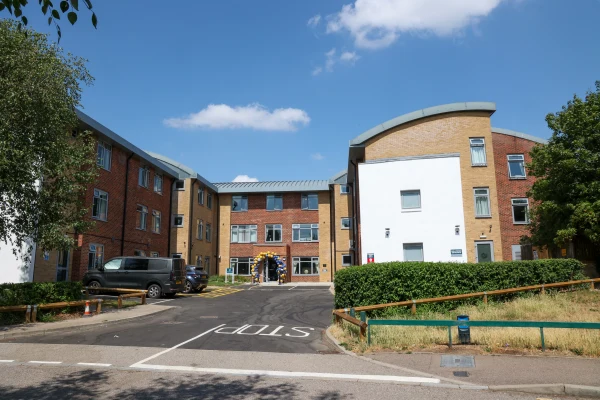
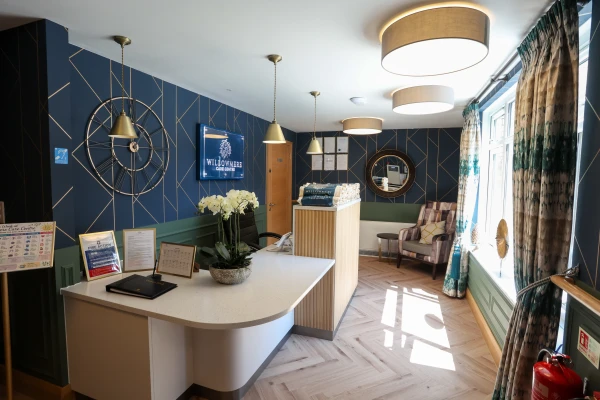
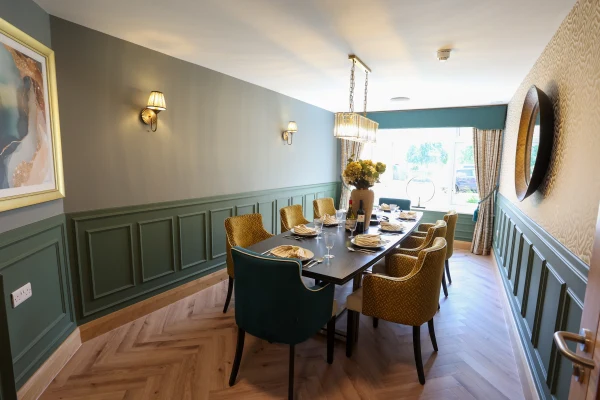
Willowmere Care Centre is a specialist care home located in Southgate, Barnet, North London, providing expert support for adults living with complex neurological conditions, acquired brain injuries, and dementia, including early-onset dementia. The purpose-designed home offers a calm and supportive environment, combining specialist clinical expertise with high-quality personalised care to promote comfort, safety, and wellbeing.
The experienced multidisciplinary team works closely with residents, families, and healthcare professionals to deliver structured, outcome-focused...
Willowmere Care Centre is a specialist care home located in Southgate, Barnet, North London, providing expert support for adults living with complex neurological conditions, acquired brain injuries, and dementia, including early-onset dementia. The purpose-designed home offers a calm and supportive environment, combining specialist clinical expertise with high-quality personalised care to promote comfort, safety, and wellbeing.
The experienced multidisciplinary team works closely with residents, families, and healthcare professionals to deliver structured, outcome-focused care tailored to individual needs. Support is designed to encourage independence wherever possible, while also providing reassurance, stability, and continuity for those requiring longer-term care.
With a strong focus on person-centred support, Willowmere Care Centre aims to create an environment where residents feel valued, supported, and able to achieve the best possible quality of life.
Loading travel time
Care Provided by Willowmere Care Centre
Primary Care Categories
Older Person Care
Dementia
Learning Disability / Autism
Mental Health Condition
Physical Disability
Visual / Hearing Impairment
Eating Disorders
Younger Adults
Length of Stay
Permanent Care
Respite Care
Care Types Provided
Nursing Care
Dementia Nursing Care
For a maximum of 119 Service Users
Dementia Care Types
Mild Dementia
Moderate Dementia
Advanced/Complex Dementia
Other Care Provided
Parkinson's Disease
Stroke
Palliative / End of Life Care
COPD/Pulmonary Disease
Bariatric Care/Obesity
Convalescent Care
Acquired Brain Injury (ABI)
Facilities
Own Furniture if required
Pet Friendly (or by arrangement)
Close to Local shops
Near Public Transport
Minibus or other transport
Lift
Wheelchair Access
Gardens
Bar/Café
Residents Kitchenette
Phone Point in own room
Television point in own room
Residents Internet Access
Funding & Fees
Weekly Charges per Person
Type of care
Permanent
Respite
Nursing Care
From £2,500
From £2,500
Nursing Dementia Care
From £2,500
From £2,500
Our fee structure is based on a pre-admission assessment of individual care needs, and weekly fees may increase if needs change over time. Standard fees typically cover accommodation, meals, and personal care support.
Additional services may be charged separately. We operate a transparent approach to fees which are discussed and agreed in advance where required.
The price(s) shown are provided by the care home. Contact Willowmere Care Centre for full pricing details and T&Cs.
Contact Willowmere Care Centre to confirm what's included and get a personalised quote:
Funding Types Accepted
Self-Funding (Private)
Local Authority with Top-up
Local Authority
NHS Continuing Healthcare (CHC)
Support you may be entitled to
If you choose a care home based in England, you may be eligible for NHS Funded Nursing Care (FNC), which helps cover the cost of nursing. This is worth £267.68 per week and is usually paid directly to the care home.
The home offer open visiting with no restrictions, welcoming friends and family at times convenient to them while respecting residents’ routines and wellbeing.
Parking
Parking is available on site, including designated disabled parking spaces. The home is also accessible via nearby public transport links for visitors who prefer not to drive.
Bed Vacancies
Please contact us for latest vacancies.
News (0) & Events (0)
News
There are no news items for Willowmere Care Centre.
Upcoming Events
There are no upcoming events for Willowmere Care Centre.
Awards / Recognitions (0)
There are currently no awards/recognitions posted yet for Willowmere Care Centre.
Accreditations
There are no accreditations posted yet for Willowmere Care Centre.
Meet the Team (6)
Fatma MakaloJob Title Commissioning ManagerJoined 2026
Fatma is an experienced health and social care leader with over 24 years of experience, including 19 years in senior leadership roles. Throughout her...
Fatma is an experienced health and social care leader with over 24 years of experience, including 19 years in senior leadership roles. Throughout her career, she has led high-performing care homes that achieved three consecutive CQC Outstanding ratings, reflecting her commitment to quality, excellence, and person-centred care.
At the heart of Fatma's leadership is a genuine passion for people. She is known for her empathetic approach, particularly when supporting individuals with complex needs, ensuring that dignity, privacy, choice, and respect remain central to every aspect of care. She takes pride in building strong, trusting relationships with residents, families, and multidisciplinary teams, creating a collaborative environment where people feel heard, valued, and supported. Fatma's passion lies in developing people, leading positive change, and creating environments where individuals and teams can thrive.
In 2024, Fatma won the BBC Radio London Make a Difference Carer Award. She is also proud to have received the Chief Nursing Officer for Social Care Excellence Award and to hold the Queen’s Nurse title in recognition of her dedication to nursing leadership and community care.
Audrei VisayaJob Title Deputy ManagerJoined 2026
Audrei is a dedicated social care professional with over 21 years of experience supporting vulnerable individuals and empowering diverse teams....
Audrei is a dedicated social care professional with over 21 years of experience supporting vulnerable individuals and empowering diverse teams. Having served as a passionate Deputy Manager for 13 years, she is committed to delivering high-quality care, fostering inclusive environments, and helping people achieve their full potential.
Audrei thrives on working with individuals from all walks of life and values compassion, dignity, and person-centred support in everything she does. Outside of work, she enjoys travelling, exploring new cultures, and indulging in a bit of retail therapy.
Frede JensenJob Title Business AdministratorJoined 2026
Frede Jensen is a highly accomplished administrative leader with a unique blend of financial acumen and healthcare expertise. Armed with a...
Frede Jensen is a highly accomplished administrative leader with a unique blend of financial acumen and healthcare expertise. Armed with a foundational background in banking and finance, Frede transitioned into the health and social care sector, dedicating 24 years to administrative excellence. This diverse experience combines rigorous fiscal discipline with a deep commitment to patient care and regulatory compliance.
Dee RyanJob Title Activities LeadJoined 2026
I'm an empathetic and passionate Activity and Wellbeing Manager dedicated to making every day meaningful, enjoyable and fulfilling for our residents....
I'm an empathetic and passionate Activity and Wellbeing Manager dedicated to making every day meaningful, enjoyable and fulfilling for our residents. I love creating activities that promote happiness, independence, friendship and a sense of purpose. I build strong, trusting relationships with residents and their families, offering support, understanding and reassurance throughout their journey.
I aim to ensure every resident feels valued, listened to, included and cared for, while creating special moments and lasting memories for everyone.
Ysabello ReyesJob Title ReceptionistJoined 2026
Ysabello is a receptionist and front desk professional known for consistently showcasing his endearing charisma towards visitors. His welcoming smile...
Ysabello is a receptionist and front desk professional known for consistently showcasing his endearing charisma towards visitors. His welcoming smile and relentless pursuit of providing top-quality customer service let visitors know that Willowmere Care Centre is a place welcoming to all. More than that, a strength he possesses is a strong eye for detail - not only for customer service but also for administrative tasks. He ensures that all vital pieces of documentation are organised in order to maintain the successful running of the care centre.
Though he handles many challenges in his role, he never forgets where his passion truly lies. He constantly engages with the residents of Willowmere, making sure to brighten and make their days in any way he can.
Feliza SantosJob Title ReceptionistJoined 2026
Feliza is a professional and approachable receptionist who enjoys creating a warm and welcoming experience for residents, families, and visitors....
Feliza is a professional and approachable receptionist who enjoys creating a warm and welcoming experience for residents, families, and visitors. With her background in administration, customer service and care, she brings strong organisational skills, attention to detail, and a caring approach to her role.
She takes pride in greeting everyone with a warm smile and making them feel comfortable and at ease. For Feliza, being a part of the Willowmere team is about more than just reception. It's about making a positive difference to the residents and their families each day.
Frequently Asked Questions about Willowmere Care Centre
What types of Care is Willowmere Care Centre registered for?
Older Person Care, Dementia, Learning Disability / Autism, Mental Health Condition, Physical Disability, Visual / Hearing Impairment, Eating Disorders, Younger Adults are the registered (by the Care Quality Commission) categories of Care.
How many Rooms does Willowmere Care Centre have?
There are 119 Single Rooms.
What are the Facilities & Services at Willowmere Care Centre?
Own Furniture if required, Pet Friendly (or by arrangement), Close to Local shops, Near Public Transport, Minibus or other transport, Lift, Wheelchair Access, Gardens, Bar/Café, Residents Kitchenette, Phone Point in own room, Television point in own room, Residents Internet Access are some of the Facilities & Services.
How far is Willowmere Care Centre to the centre of Barnet?
2.7 mile(s) as the crow flies, distance by road may be significantly further.
Information on this page is displayed without responsibility for its accuracy on the part of carehome.co.uk. Please contact Willowmere Care Centre to verify any information. View our terms and conditions. Willowmere Care Centre has an Enhanced Service -what an Enhanced Service includes.