- UK Care Homes Search
- Care Homes in England
- Care Homes in West Midlands
- Care Homes in Birmingham Area
- Care Homes in Birmingham
- Blythe Rose Birmingham care home


Blythe Rose Birmingham is MACC Care’s second specialist dementia care home, purpose-built to support individuals living with dementia, including those experiencing distress behaviours and more complex care needs.
Building on the success of the organisation’s first centre of excellence, Blythe Rose Solihull, and operating under the same experienced leadership team, the Harborne-based home provides expert dementia care through a skilled multi-disciplinary team with a proven track record of delivering high-quality support.
Each...
Blythe Rose Birmingham is MACC Care’s second specialist dementia care home, purpose-built to support individuals living with dementia, including those experiencing distress behaviours and more complex care needs.
Building on the success of the organisation’s first centre of excellence, Blythe Rose Solihull, and operating under the same experienced leadership team, the Harborne-based home provides expert dementia care through a skilled multi-disciplinary team with a proven track record of delivering high-quality support.
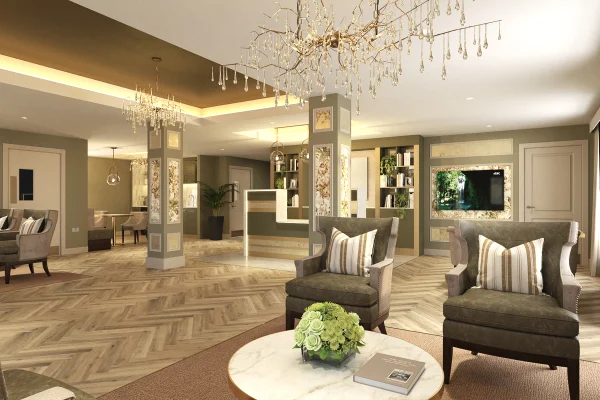
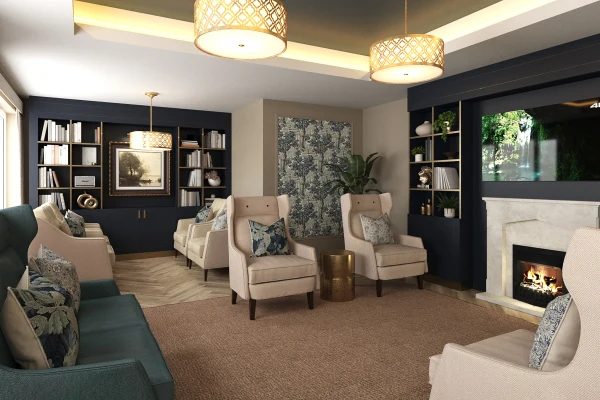
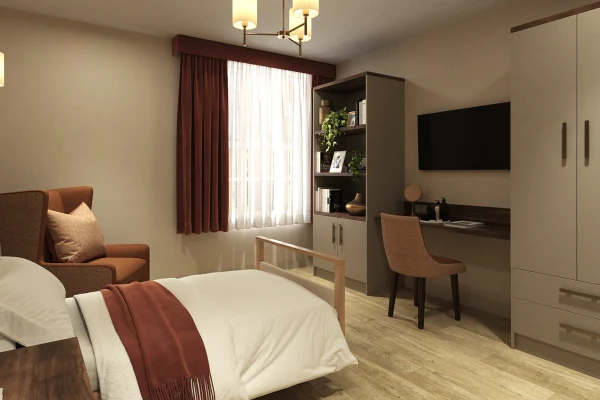
Each resident benefits from ongoing assessments and personalised care plans that are tailored to their individual needs and adapted as circumstances change. The home’s carefully designed environment promotes safety, comfort, and familiarity, creating a calm and reassuring setting that feels like home.
A range of meaningful activities and personalised support helps residents maintain their dignity, independence, and sense of individuality, while enhancing overall quality of life.
Care Provided by Blythe Rose Birmingham
Primary Care Categories
- Older Person Care
- Dementia
- Mental Health Condition
Length of Stay
- Permanent Care
- Respite Care
Care Types Provided
- Residential Care
- Nursing Care
- Dementia Residential Care
- Dementia Nursing Care
- For a maximum of 80 Service Users
Dementia Care TypesMild Dementia
Someone living with our definition of "mild dementia" might experience some or all of the following:
- Memory problems such as misplacing items and not be able to recall recent events (however, in some forms of dementia a person's memory may be unchanged)
- Difficulties thinking through problems and planning, making decisions
- Language and communication issues such as finding it difficult to recall the appropriate word in a conversation or following a conversation
- Poor orientation, getting lost in areas previously familiar to them
- Difficulty judging distances (more falls than usual)
- Changes in their normal mood including anxiety and depression
- In certain types of dementia, personality and behaviour changes may be present alongside or instead of issues with memory or concentration.
Moderate Dementia
Someone living with our definition of "moderate dementia" might experience some or all of the following:
- Worsened memory problems. Not always recognising own family members and friends. Repeating the same questions over and over again
- Worsened language and communication issues, forgetting what they are saying mid-sentence. Not being able to understand what someone else is saying
- More frequent confusion, e.g. about the time of day or where they are, including their own home
- Apathy, depression and anxiety
- Believing things that aren't true (paranoia)
- Frequent hallucinations
- Lack of emotional control, quick to anger, fearfulness, sadness
- Loss of inhibition
- Difficulties sleeping or waking during the night and behaving as though it is daytime - loss of circadian rhythm.
Advanced Dementia
Someone living with our definition of "severe dementia" might experience some or all of the following:
- Severe memory problems. Not recognising family members and friends. Not being able to recall their own name
- Severe language and communication issues, not being able to understand what someone else is saying
- Severe confusion, e.g. about the time of day or where they are, including their own home
- Apathy, depression and anxiety
- Believing things that aren't true (paranoia)
- Frequent hallucinations
- Lack of emotional control, quick to anger, fearfulness, sadness
- Loss of inhibition
- Difficulties sleeping or waking during the night and behaving as though it is daytime - loss of circadian rhythm.
Verbally or physically aggressive behaviour
If your loved one displays this type of behaviour you may need a care home that has specially trained staff. Verbal/physical aggression is often defined:
- Consistent shouting and screaming
- Verbal abuse
- Physical abuse
How we define Dementia Care Types
Mild Dementia
Someone living with our definition of "mild dementia" might experience some or all of the following:
- Memory problems such as misplacing items and not be able to recall recent events (however, in some forms of dementia a person's memory may be unchanged)
- Difficulties thinking through problems and planning, making decisions
- Language and communication issues such as finding it difficult to recall the appropriate word in a conversation or following a conversation
- Poor orientation, getting lost in areas previously familiar to them
- Difficulty judging distances (more falls than usual)
- Changes in their normal mood including anxiety and depression
- In certain types of dementia, personality and behaviour changes may be present alongside or instead of issues with memory or concentration.
Moderate Dementia
Someone living with our definition of "moderate dementia" might experience some or all of the following:
- Worsened memory problems. Not always recognising own family members and friends. Repeating the same questions over and over again
- Worsened language and communication issues, forgetting what they are saying mid-sentence. Not being able to understand what someone else is saying
- More frequent confusion, e.g. about the time of day or where they are, including their own home
- Apathy, depression and anxiety
- Believing things that aren't true (paranoia)
- Frequent hallucinations
- Lack of emotional control, quick to anger, fearfulness, sadness
- Loss of inhibition
- Difficulties sleeping or waking during the night and behaving as though it is daytime - loss of circadian rhythm.
Advanced Dementia
Someone living with our definition of "severe dementia" might experience some or all of the following:
- Severe memory problems. Not recognising family members and friends. Not being able to recall their own name
- Severe language and communication issues, not being able to understand what someone else is saying
- Severe confusion, e.g. about the time of day or where they are, including their own home
- Apathy, depression and anxiety
- Believing things that aren't true (paranoia)
- Frequent hallucinations
- Lack of emotional control, quick to anger, fearfulness, sadness
- Loss of inhibition
- Difficulties sleeping or waking during the night and behaving as though it is daytime - loss of circadian rhythm.
Verbally or physically aggressive behaviour
If your loved one displays this type of behaviour you may need a care home that has specially trained staff. Verbal/physical aggression is often defined:
- Consistent shouting and screaming
- Verbal abuse
- Physical abuse
How we define Dementia Care Types
- Mild Dementia
- Moderate Dementia
- Advanced/Complex Dementia
Other Care Provided
- Parkinson's Disease
- Stroke
- Palliative / End of Life Care
- COPD/Pulmonary Disease
- Bariatric Care/Obesity
- Acquired Brain Injury (ABI)

Facilities
- Own Furniture if required
- Smoking not permitted
- Close to Local shops
- Near Public Transport
- Minibus or other transport
- Lift
- Wheelchair Access
- Ground Floor Accommodation only
- Gardens
- Bar/Café
- Residents Kitchenette
- Phone Point in own room
- Television point in own room
- Residents Internet Access
Funding & Fees
Weekly Charges per Person
Every resident's package is carefully tailored to the precise amount of support needed to best support need.
The price(s) shown are provided by the care home. Contact Blythe Rose Birmingham for full pricing details and T&Cs.
Contact Blythe Rose Birmingham to confirm what's included and get a personalised quote:
Funding Types Accepted
- Self-Funding (Private)
- Local Authority with Top-up
- Local Authority
- NHS Continuing Healthcare (CHC)
Support you may be entitled to
- If you chose a care home based in England, you may be eligible for NHS Funded Nursing Care (FNC), which helps cover the cost of nursing. This is worth £267.68 per week and is usually paid directly to the care home.
Good to Know
Group / Owner
- MACC Care Ltd
- Private Owned
Person in charge
- Barry Flanagan (Manager)
Local Authority / Social Services
Admission Information
- Mixed with both male-only and female-only unit(s)
- Ages 50+
Care Home Design/Build
- Purpose Built: No
- Last Refurbishment: 2026
- Number of floors: 3
Room Information
- Single Rooms (76)
- Couples/Companion Rooms (2)
- Single Rooms with ensuite Wet Room (76)
- Couples/Companion Rooms with ensuite Wet Room (2)
Visiting
- Blythe Rose Birmingham has no visiting restrictions.
Parking
- Plentiful off road visitor parking with disabled spaces.
Bed Vacancies
Please contact us for latest vacancies.
News (1) & Events (0)
- 05 Mar 2026
We’re delighted to share that Macc Care has been recognised as one of the Top 20 Mid-Size Care Home Groups in the UK! This incredible achievement is a true testament...
There are no upcoming events for Blythe Rose Birmingham.
Awards / Recognitions (3)
- 30 Jan 2026Recipient: MACC Care Ltd
- 31 Jan 2024Recipient: MACC Care Ltd
- 30 Jun 2021Recipient: MACC Care Ltd
Accreditations
There are no accreditations posted yet for Blythe Rose Birmingham.
Meet the Team (3)

Barry Flanagan is proud to be the Home Manager at Blythe Rose Birmingham Dementia Care Home.
Barry began working in the care industry during the...
Barry Flanagan is proud to be the Home Manager at Blythe Rose Birmingham Dementia Care Home.
Barry began working in the care industry during the 1980s and qualified as a nurse in 1991. Since then, he has worked across the NHS, private and voluntary sectors, building more than 30 years of experience in care.
Throughout much of his career, Barry has supported residents who can present with complex needs and behaviours. Over the past 12 years, he has focused his energy and experience on developing specialist care for adults living with dementia and mental health conditions.
As a qualified trainer, Barry is committed to continually developing his own knowledge and skills, while also sharing his experience with others. He is passionate about supporting and encouraging colleagues to achieve their full potential.
Barry’s ambition for Blythe Rose Birmingham is to make a real difference to the lives of the residents in his team’s care, empowering each person to maintain their identity, character and choices.
With strong values, passion and innovation at its heart, Barry’s vision is for the home to become a true centre of excellence, contributing to ongoing development, research and best practice in the care of people living with dementia, mental health conditions and cognitive impairment.
Outside of work, Barry enjoys a happy family life and has a range of interests, including football, reading and history.

As part of its multi-disciplinary approach to helping individuals live well with dementia through person-centred care, Blythe Rose Specialist...
As part of its multi-disciplinary approach to helping individuals live well with dementia through person-centred care, Blythe Rose Specialist Dementia Homes benefit from regular clinical visits along with support, mentoring and guidance from Professor Tarun Kuruvilla.
After completing his medical training in 1996, Dr Kuruvilla went on to specialise in Psychiatry and qualified as a consultant in 2006. Since then, he has worked in old age psychiatry and as a Dementia Specialist for over 15 years.
Professor Kuruvilla runs memory clinics in Birmingham and the Cotswolds along with a regular dementia café session at Blythe Rose Dementia Care. His clinical interests are in early diagnosis of dementia and newer treatments for dementia.
Funded by the National Institute of Health Research (NIHR) as a Principal Investigator for clinical trials for newer treatments for dementia, Prof Kuruvilla is a clinical lead for Division 4 of the NIHR: West of England Clinical Research Network. A visiting Professor at the School of Health & Social Care, University of Gloucestershire, he has authored several peer-reviewed publications. When not practising, he continues to research and publish papers on memory loss and brain imaging. Professor Kuruvilla’s clinical interests also include memory clinics, early diagnosis and emerging treatments for Alzheimer’s disease and other dementias.

Jennifer is delighted to be part of the Blythe Rose Birmingham team.
She has worked in the care sector for the past three years, most recently as a...
Jennifer is delighted to be part of the Blythe Rose Birmingham team.
She has worked in the care sector for the past three years, most recently as a Client Liaison Manager with another care provider. Jennifer was drawn to MACC Care by its shared values, particularly its commitment to making a positive difference to people’s lives and ensuring residents and their families receive the best possible care and support.
At Blythe Rose Birmingham, Jennifer manages enquiries and liaises with residents, relatives, social workers and healthcare professionals. Her role is to help make the admission process as smooth and stress-free as possible, with the resident’s wellbeing always at the heart of every decision. She also works closely with the local community to build strong and lasting relationships.
Jennifer finds it incredibly rewarding to know she has played a part in helping each resident feel welcome, supported and safe when they join the care home community. Friendly and approachable, she is always on hand to listen to and support families as they navigate what can be a difficult and emotional time.
Married with two children aged nine and ten, Jennifer enjoys a busy family life. In her spare time, she enjoys countryside walks, trips to the cinema and swimming.
A fun fact about Jennifer is that she has two birth certificates — she was named Sally for the first two weeks of her life before her parents decided to change her name to Jennifer.
Frequently Asked Questions about Blythe Rose Birmingham
What types of Care is Blythe Rose Birmingham registered for?
Older Person Care, Dementia, Mental Health Condition are the registered (by the Care Quality Commission) categories of Care.
How many Rooms does Blythe Rose Birmingham have?
There are 76 Single Rooms and 2 Couples/Companion Rooms.
What are the Facilities & Services at Blythe Rose Birmingham?
Own Furniture if required, Smoking not permitted, Close to Local shops, Near Public Transport, Minibus or other transport, Lift, Wheelchair Access, Ground Floor Accommodation only, Gardens, Bar/Café, Residents Kitchenette, Phone Point in own room, Television point in own room, Residents Internet Access are some of the Facilities & Services.
How far is Blythe Rose Birmingham to the centre of Birmingham?
3.5 mile(s) as the crow flies, distance by road may be significantly further.
Information on this page is displayed without responsibility for its accuracy on the part of carehome.co.uk. Please contact Blythe Rose Birmingham to verify any information. View our terms and conditions. Blythe Rose Birmingham has an Enhanced Service -what an Enhanced Service includes.