Centre Vale Hall offers 24-hour care to adults living with complex needs associated with mental health conditions, dementia, brain injuries, neurological conditions and physical disabilities.
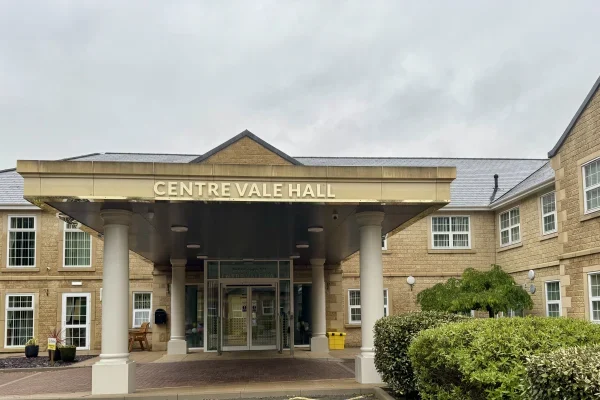
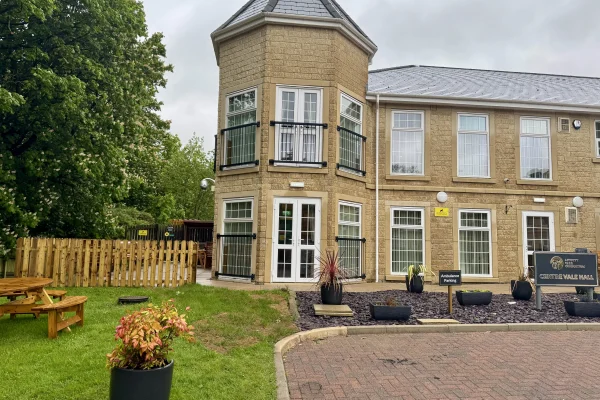
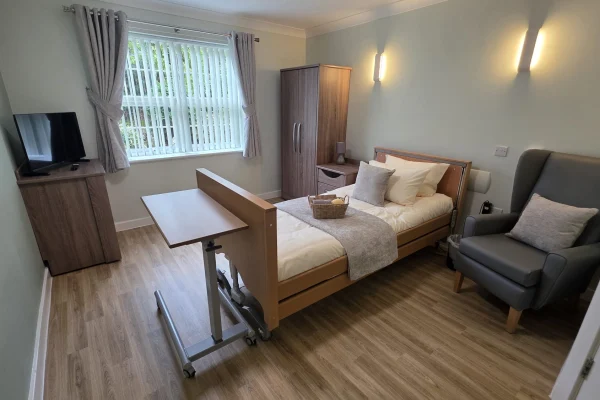
Centre Vale Hall is a purpose-built care home comprising 53 en-suite bedrooms, communal dining and lounge areas, situated on each floor.
The service is designed to promote comfort, independence and social engagement, offering facilities including a specialist sensory room, hairdressing salon and hydrotherapy pool to enhance residents’...
Centre Vale Hall offers 24-hour care to adults living with complex needs associated with mental health conditions, dementia, brain injuries, neurological conditions and physical disabilities.
Centre Vale Hall is a purpose-built care home comprising 53 en-suite bedrooms, communal dining and lounge areas, situated on each floor.
The service is designed to promote comfort, independence and social engagement, offering facilities including a specialist sensory room, hairdressing salon and hydrotherapy pool to enhance residents’ wellbeing and quality of life.
Centre Vale Hall works as part of a multidisciplinary team that includes registered adult and mental health nurses, qualified care assistants with NVQ Level 2 or above, and activities coordinators committed to delivering high standards of compassionate, person-centred care. All meals are fresh, home-cooked & prepared on site by a designated catering team, including modified diets.
The service aims to create a supportive environment within the local & neighbouring areas, with convenient access to public transport, community networks and nearby green spaces.
Centre Vale Hall is dedicated to providing tailored support from admission onwards to maintain stability, wellbeing and long-term outcomes for residents.
Loading travel time
Care Provided by Centre Vale Hall
Primary Care Categories
Older Person Care
Dementia
Learning Disability / Autism
Mental Health Condition
Physical Disability
Visual / Hearing Impairment
Alcohol / Drug Misuse
Length of Stay
Permanent Care
Respite Care
Care Types Provided
Residential Care
Nursing Care
Dementia Residential Care
Dementia Nursing Care
For a maximum of 53 Service Users
Dementia Care Types
Mild Dementia
Moderate Dementia
Advanced/Complex Dementia
Other Care Provided
Parkinson's Disease
Stroke
Palliative / End of Life Care
COPD/Pulmonary Disease
Convalescent Care
Acquired Brain Injury (ABI)
Facilities
Pet Friendly (or by arrangement)
Smoking not permitted
Close to Local shops
Near Public Transport
Minibus or other transport
Lift
Wheelchair Access
Gardens
Residents Kitchenette
Television point in own room
Residents Internet Access
Funding & Fees
Weekly Charges per Person
Type of care
Permanent
Respite
Residential Care
From £1,500
From £1,500
Residential Dementia Care
From £1,500
From £1,500
Nursing Care
From £1,500
From £1,500
Nursing Dementia Care
From £1,500
From £1,500
Contact Centre Vale Hall to confirm what's included and get a personalised quote:
Please get in touch with a member of our team to discuss an individualised care package
The price(s) shown are provided by the care home. Contact Centre Vale Hall for full pricing details and T&Cs.
Funding Types Accepted
Self-Funding (Private)
Local Authority with Top-up
Local Authority
NHS Continuing Healthcare (CHC)
Support you may be entitled to
If you choose a care home based in England, you may be eligible for NHS Funded Nursing Care (FNC), which helps cover the cost of nursing. This is worth £267.68 per week and is usually paid directly to the care home.
Review from Vicky W (Resident / Service User) published on 16 September 2026 Submitted via Website•
Overall Experience
My experience so far of Centre Vale Hall care has been good overall the staff have been lovely especially the day nurse she has gone above and beyond to make me feel welcome and has made sure all my meds and needs have been met. It would be nice if they're was more permanent staff to get to no...
My experience so far of Centre Vale Hall care has been good overall the staff have been lovely especially the day nurse she has gone above and beyond to make me feel welcome and has made sure all my meds and needs have been met. It would be nice if they're was more permanent staff to get to no instead of new faces all the time cos wen u need help with showering etc it can b an awkward thing thing and it's better if u no the person helping u as it makes u feel more comfortable but I understand its all quite new and can take time to build staff and am sure it will b better in wen there's more residents and staff . The food is very hit and miss wen the main chef is here its great but at the times she's not here it's not so great and there is definitely room for improvement. Everything around the home is all very clean and tidy . If feel if I needed help with something I can go and ask and the staff would be happy to help .
↩Reply from Joanne Pawley, Registered Home Manager at Centre Vale Hall
Thank you so much Vicky for taking the time to share your review. We are delighted to hear that you feel welcomed, well supported with your medication and care, and that you find the home clean and tidy. It is wonderful to hear that our day nurse and team have been so helpful.
We also really...
Thank you so much Vicky for taking the time to share your review. We are delighted to hear that you feel welcomed, well supported with your medication and care, and that you find the home clean and tidy. It is wonderful to hear that our day nurse and team have been so helpful.
We also really appreciate your constructive feedback regarding staff continuity on shift and making sure our meals are consistent. As a new home, we are actively working on buliding up our permanent team and refining our dining experience. Your thoughts help us grow, and we are glad you feel comfortable coming to us whenever you need anything.
Facilities
Care / Support
Cleanliness
Treated with Dignity
Food & Drink
Staff
Activities
No Rating
Management
Safety / Security
Rooms
Value for Money
No Rating
Regulatory Rating
Care Quality Commission (CQC) Rating
Care Quality Commission is responsible for the registration and inspection of social care services in England.View Latest Report
Bed Vacancies
Please contact us for latest vacancies.
News (0) & Events (0)
News
There are no news items for Centre Vale Hall.
Upcoming Events
There are no upcoming events for Centre Vale Hall.
Awards / Recognitions (0)
There are currently no awards/recognitions posted yet for Centre Vale Hall.
Accreditations
There are no accreditations posted yet for Centre Vale Hall.
Meet the Team (0)
There are no Team Members posted yet.
Frequently Asked Questions about Centre Vale Hall
How much does Centre Vale Hall cost?
The care home lists weekly fees per person from £1,500 for residential care (respite from £1,500), from £1,500 for residential dementia care (respite from £1,500), from £1,500 for nursing care (respite from £1,500) and from £1,500 for nursing dementia care (respite from £1,500). Funding accepted: Self-Funding (Private), Local Authority, NHS Continuing Healthcare (CHC).
What types of Care is Centre Vale Hall registered for?
Older Person Care, Dementia, Learning Disability / Autism, Mental Health Condition, Physical Disability, Visual / Hearing Impairment, Alcohol / Drug Misuse are the registered (by the Care Quality Commission) categories of Care.
How many Rooms does Centre Vale Hall have?
There are 53 Single Rooms.
What are the Facilities & Services at Centre Vale Hall?
Pet Friendly (or by arrangement), Smoking not permitted, Close to Local shops, Near Public Transport, Minibus or other transport, Lift, Wheelchair Access, Gardens, Residents Kitchenette, Television point in own room, Residents Internet Access are some of the Facilities & Services.
How far is Centre Vale Hall to the centre of Todmorden?
0.7 mile(s) as the crow flies, distance by road may be significantly further.
Information on this page is displayed without responsibility for its accuracy on the part of carehome.co.uk. Please contact Centre Vale Hall to verify any information. View our terms and conditions. Centre Vale Hall has an Enhanced Service -what an Enhanced Service includes.