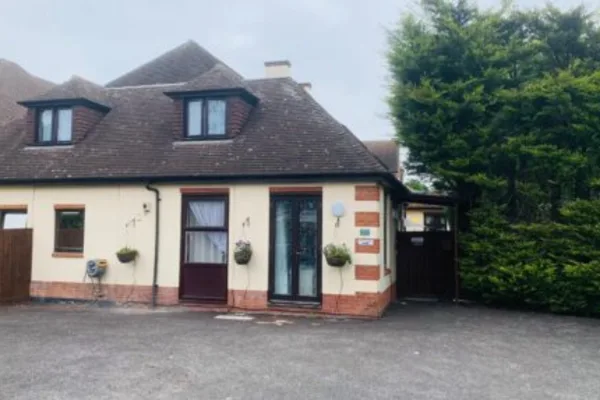
Nightingale House has been part of the organisation for almost 20 years, providing high-quality, person-centred care for older people and specialising in supporting individuals living with dementia. As part of a small group of care homes across Essex and Surrey, Nightingale House is committed to delivering exceptional care through comprehensive care planning, regular reviews, and a dedicated team focused on meeting each resident’s individual needs.
Located in the heart of Romford,...
Nightingale House has been part of the organisation for almost 20 years, providing high-quality, person-centred care for older people and specialising in supporting individuals living with dementia. As part of a small group of care homes across Essex and Surrey, Nightingale House is committed to delivering exceptional care through comprehensive care planning, regular reviews, and a dedicated team focused on meeting each resident’s individual needs.
Located in the heart of Romford, Nightingale House offers a warm, welcoming environment where residents are treated with dignity, respect, and compassion. The home specialises in dementia and end-of-life care, tailoring support to each individual's preferences, needs, and life experiences to ensure they feel valued, understood, and supported.
Nightingale House has a varied activities programme that includes gentle exercise sessions, creative arts, themed celebrations, interactive games, and regular entertainment. Monthly performances and seasonal events help create meaningful experiences and lasting memories for residents and their loved ones.
Residents also benefit from pet therapy sessions, which provide companionship, comfort, and enjoyment, while the home's beautiful garden offers a peaceful setting for relaxation and social connection year-round.
At Nightingale House, care extends beyond meeting physical needs. The home is dedicated to creating an environment where life is celebrated, individuality is respected, and every resident feels safe, seen, and supported.
Loading travel time
Care Provided by Nightingale House
Primary Care Categories
Older Person Care
Dementia
Length of Stay
Permanent Care
Respite Care
Care Types Provided
Residential Care
Dementia Residential Care
For a maximum of 43 Service Users
Dementia Care Types
Mild Dementia
Moderate Dementia
Advanced/Complex Dementia
Other Care Provided
Parkinson's Disease
Stroke
Palliative / End of Life Care
Acquired Brain Injury (ABI)
Day Care
Facilities
Own Furniture if required
Pet Friendly (or by arrangement)
Smoking not permitted
Close to Local shops
Near Public Transport
Lift
Stairlift
Wheelchair Access
Gardens
Residents Kitchenette
Phone Point in own room
Television point in own room
Residents Internet Access
Funding & Fees
Weekly Charges per Person
Type of care
Permanent
Respite
Residential Care
From £1,600
N/A
Residential Dementia Care
From £1,600
N/A
The price(s) shown are provided by the care home. Contact Nightingale House for full pricing details and T&Cs.
Contact Nightingale House to confirm what's included and get a personalised quote:
Nightingale House has a Review Score of 9.6 (9.587) out of 10, based on 12 reviews in the last 2 years. Over all time Nightingale House has 22 reviews.
Review from Karen B (Friend of Resident) published on 15 September 2023 Submitted via Website•
Overall Experience
The Nightingale staff are amazing. The home is always clean and welcoming any time you visit - they say to treat it like you would visit at any time, so you don't have to make appointments like some places. They do so many fun activities - every day there is something going on. A lovely home.
The Nightingale staff are amazing. The home is always clean and welcoming any time you visit - they say to treat it like you would visit at any time, so you don't have to make appointments like some places. They do so many fun activities - every day there is something going on. A lovely home.
↩Reply from Kevin Johnson, Registered Manager at Nightingale House
Hi Karen, thank you so much for taking the time out to write a review for us and even more so for the glowing and positive comments. I'll pass your feedback on to the staff.
Facilities
Care / Support
Cleanliness
Treated with Dignity
Food & Drink
Staff
Activities
Management
Safety / Security
Rooms
Value for Money
Review from Eileen T (Wife of Resident) published on 2 August 2021 Submitted via Website•
Overall Experience
Whilst there are some very caring staff, there is a need to remember there are many forms of Dementia, they need treating individually not always as one. Again, I feel Dementia homes should have more staff on to get that individuality, a little better.
Whilst there are some very caring staff, there is a need to remember there are many forms of Dementia, they need treating individually not always as one. Again, I feel Dementia homes should have more staff on to get that individuality, a little better.
Facilities
Care / Support
Cleanliness
Treated with Dignity
Food & Drink
Staff
Activities
No Rating
Management
Safety / Security
Rooms
Value for Money
Regulatory Rating
Care Quality Commission (CQC) Rating
Date: 30 November 2022
Overall Good
CaringGood
EffectiveGood
ResponsiveGood
SafeGood
Well-ledGood
Inspection ratings
We rate most services according to how safe, effective, caring, responsive and well-led they are, using four levels:
Outstanding - The service is performing exceptionally well.
Good - The service is performing well and meeting our expectations.
Requires Improvement - The service isn't performing as well as it should and we have told the service how it must improve.
Inadequate - The service is performing badly and we've taken action against the person or organisation that runs it.
Not rated - we have not yet rated this area of the service, this is normally because the assessments we have carried out have been focused on other key questions.
Care Quality Commission is responsible for the registration and inspection of social care services in England.View Latest Report
Bed Vacancies
Please contact us for latest vacancies.
News (0) & Events (0)
News
There are no news items for Nightingale House.
Upcoming Events
There are no upcoming events for Nightingale House.
Awards / Recognitions (0)
There are currently no awards/recognitions posted yet for Nightingale House.
Accreditations
There are no accreditations posted yet for Nightingale House.
Meet the Team (0)
There are no Team Members posted yet.
Information on this page is displayed without responsibility for its accuracy on the part of carehome.co.uk. Please contact Nightingale House to verify any information. View our terms and conditions. Nightingale House has an Enhanced Service -what an Enhanced Service includes.