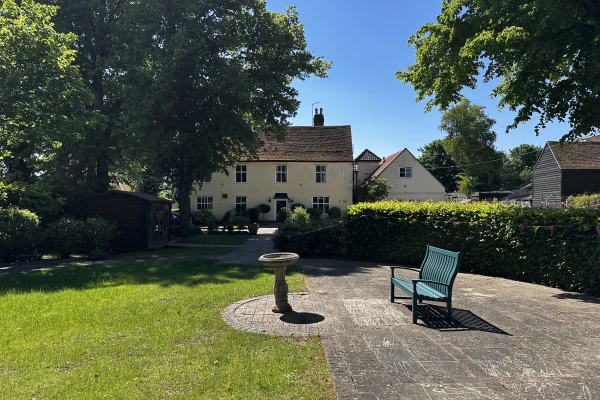
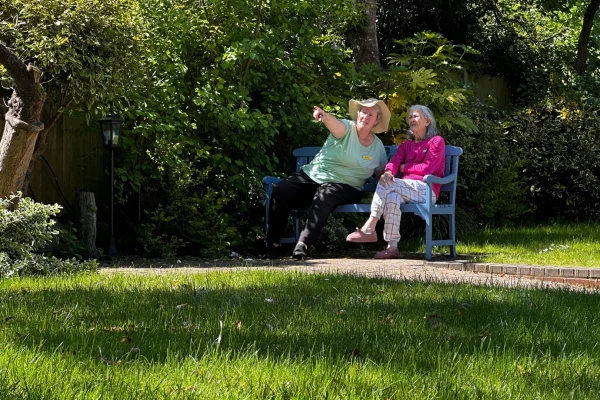
Boars Tye House is a welcoming residential care home set in a peaceful rural location, offering a safe, comfortable, and homely environment for older adults. The home provides person-centred care tailored to each resident’s individual needs, preferences, and routines, ensuring dignity, respect, and a strong sense of belonging.
Residents receive 24-hour support with personal care, medication management, mobility assistance, and daily living tasks. The home features comfortable private bedrooms, cosy communal...
Boars Tye House is a welcoming residential care home set in a peaceful rural location, offering a safe, comfortable, and homely environment for older adults. The home provides person-centred care tailored to each resident’s individual needs, preferences, and routines, ensuring dignity, respect, and a strong sense of belonging.
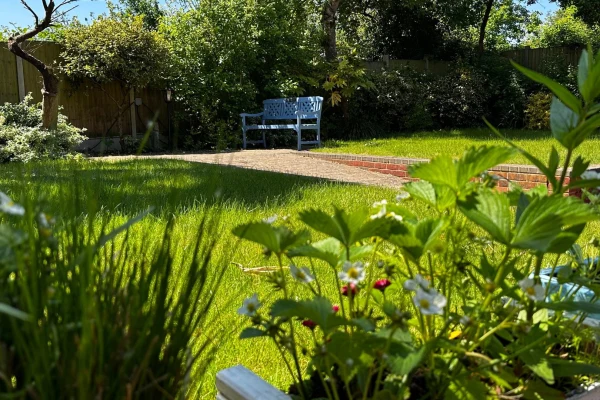
Residents receive 24-hour support with personal care, medication management, mobility assistance, and daily living tasks. The home features comfortable private bedrooms, cosy communal lounges, well-maintained gardens, and a varied programme of meaningful activities designed to promote wellbeing, independence, and social engagement.
Boars Tye House places strong emphasis on creating a warm, friendly atmosphere where residents can relax, build relationships, and enjoy a fulfilling daily life. Families are welcomed and encouraged to remain involved, helping to ensure each resident receives the highest standard of care.
Whether someone is seeking long-term residential care or a short respite stay, Boars Tye House offers comfort, safety, and peace of mind in a setting that truly feels like home.
Loading travel time
Care Provided by Boars Tye House
Primary Care Categories
Older Person Care
Dementia
Mental Health Condition
Physical Disability
Visual / Hearing Impairment
Length of Stay
Permanent Care
Respite Care
Care Types Provided
Residential Care
Dementia Residential Care
For a maximum of 27 Service Users
Dementia Care Types
Mild Dementia
Moderate Dementia
Advanced/Complex Dementia
Other Care Provided
Parkinson's Disease
Stroke
Palliative / End of Life Care
COPD/Pulmonary Disease
Convalescent Care
Acquired Brain Injury (ABI)
Facilities
Own Furniture if required
Pet Friendly (or by arrangement)
Smoking not permitted
Close to Local shops
Near Public Transport
Lift
Stairlift
Wheelchair Access
Gardens
Phone Point in own room
Television point in own room
Residents Internet Access
Funding & Fees
Weekly Charges per Person
Type of care
Permanent
Respite
Residential Care
From £1,400
From £1,400
Residential Dementia Care
From £1,400
From £1,400
Our fees at Boars Tye House are designed to be transparent and inclusive, giving families peace of mind about what is covered in their loved one’s care. The weekly fee includes 24-hour personal care, medication management, all meals, snacks, and drinks, as well as laundry, housekeeping, and access to our full activities programme. It also covers support with daily living, wellbeing monitoring, and the use of all communal areas and gardens.
We aim to ensure there are no hidden costs, and that residents receive consistent, high quality care in a safe, comfortable, and homely environment. If families ever have questions about fees or what is included, we are always happy to talk things through.
The price(s) shown are provided by the care home. Contact Boars Tye House for full pricing details and T&Cs.
Contact Boars Tye House to confirm what's included and get a personalised quote:
Funding Types Accepted
Self-Funding (Private)
Local Authority with Top-up
Local Authority
NHS Continuing Healthcare (CHC)
Good to Know
Owner
Boars Tye Residential Home Ltd
Private Owned
Person in charge
Ryan Wicks (Registered Manager)
Local Authority / Social Services
Admission Information
Mixed (no single-gender units)
Ages 65+
Care Home Design/Build
Purpose Built: No
Last Refurbishment: 2026
Number of floors: 2
Room Information
Single Rooms (23)
Couples/Companion Rooms (2)
Visiting
Boars Tye House operates an open‑door visiting policy, allowing family and friends to visit their loved ones freely and without restriction. The home does not set fixed visiting times, giving relatives the flexibility to come at a time that best suits the resident and their own commitments. There is no need to call ahead or book a visit, ensuring that families can maintain natural, spontaneous contact.
Visitors are welcome throughout the day, with the home kindly encouraging consideration for residents’ routines, mealtimes, and rest periods. Larger groups or those wishing to use a private space may contact the home if preferred, but this is not required.
To maintain a safe and calm environment, visitors may be asked to follow simple guidance such as signing in on arrival, using hand hygiene facilities, and being mindful of residents who may be resting or engaged in activities.
Boars Tye House values the involvement of families and aims to ensure that every visit is positive, comfortable, and supportive for residents and their loved ones.
Parking
Boars Tye House provides convenient on‑site parking for visitors, offering easy access to the home at any time of day. The parking area is located close to the main entrance, allowing families and friends to arrive and leave safely and comfortably. Spaces are available on a first‑come basis, and visitors are encouraged to park considerately to ensure smooth access for others, including emergency vehicles and healthcare professionals. Clear signage helps guide visitors on arrival, making the parking process simple and stress‑free.
Review from Anne B (Daughter of Resident) published on 22 April 2016 Submitted via Website•
Overall Experience
After spending a month at Boars Tye for respite, my Mum continues to tell me how well she was looked after. After my first visit to this establishment, I knew I would be happy to leave Mum in their capable hands. The atmosphere and friendliness throughout was a great comfort to me in an uncertain...
After spending a month at Boars Tye for respite, my Mum continues to tell me how well she was looked after. After my first visit to this establishment, I knew I would be happy to leave Mum in their capable hands. The atmosphere and friendliness throughout was a great comfort to me in an uncertain situation. Nothing is too much trouble to the staff, most of which have worked there for several years. This in itself speaks volumes. During her stay, Mum became unwell. This was treated with professionalism and compassion. I'm glad to say Mum is now fully recovered and often talks about her time spent with 'those lovely people'.
Facilities
Care / Support
Cleanliness
Treated with Dignity
Food & Drink
Staff
Activities
Management
Safety / Security
Rooms
Value for Money
Review from H R (Sister of Resident) published on 3 February 2016 Submitted via Review Postal Card•
Overall Experience
I found my brother looking very comfortable and well. He was happy and amused by an illusion of children running about the home, but quickly responded to my presence. My only adverse comment would be that there was a "strange " smell in the corner where he was. This was not unpleasant, but I...
I found my brother looking very comfortable and well. He was happy and amused by an illusion of children running about the home, but quickly responded to my presence. My only adverse comment would be that there was a "strange " smell in the corner where he was. This was not unpleasant, but I couldn't identify it. Thank you for looking after him so well.
Facilities
Care / Support
Cleanliness
Treated with Dignity
Food & Drink
Staff
Activities
Management
Safety / Security
Rooms
Value for Money
Review from Graham R (Son of Resident) published on 28 August 2015 Submitted via Website•
Overall Experience
My mother has been resident at Boars Tye for more than 2 years and is very happy there. When she reached the stage of needing full-time care we looked at a number of homes and were particularly impressed by the friendly and caring atmosphere at Boars Tye. It's like a large extended family and we...
My mother has been resident at Boars Tye for more than 2 years and is very happy there. When she reached the stage of needing full-time care we looked at a number of homes and were particularly impressed by the friendly and caring atmosphere at Boars Tye. It's like a large extended family and we are always warmly welcomed when we visit. The staff know all the residents really well, their likes and dislikes and nothing is too much trouble. Many of the staff have been there for a long time and even come in to help with events when they are not on duty. The food is good, freshly prepared with a choice of menu. There are regular activities, events and trips out, including a recent residents and families visit to Maldon where everyone had a good time.
We are so pleased that we found Boars Tye for Mum's care.
Facilities
Care / Support
Cleanliness
Treated with Dignity
Food & Drink
Staff
Activities
Management
Safety / Security
Rooms
Value for Money
Review from Elaine C (Daughter of Resident) published on 21 July 2015 Submitted via Website•
Overall Experience
Boars Tye is a very caring home, with the accent on Home. Staff there have looked after my Mother for nearly 4 years and the care has been personalised to her needs.
Their patience is exemplary and she has been treated with care and consideration despite the challenges that her dementia...
Boars Tye is a very caring home, with the accent on Home. Staff there have looked after my Mother for nearly 4 years and the care has been personalised to her needs. Their patience is exemplary and she has been treated with care and consideration despite the challenges that her dementia presents. Staff often go the extra mile to help make the residents feel at home, encouraging hobbies and considering what they can do to enhance the quality of life of their residents.
There are regular activities like the summer fete and Christmas celebrations as well as singing sessions and topical activities.
Facilities
Care / Support
Cleanliness
Treated with Dignity
Food & Drink
Staff
Activities
Management
Safety / Security
Rooms
Value for Money
Review from Janet D (Daughter of Resident) published on 21 July 2015 Submitted via Website•
Overall Experience
My mother came into this home over 10 years ago after a stroke she is now 100. I'm sure she has survived so long, not just due to her own steely determination, but the care, dedication and friendliness of the staff.
Boars Tye is not only homely in presentation, but in the attitude of the staff...
My mother came into this home over 10 years ago after a stroke she is now 100. I'm sure she has survived so long, not just due to her own steely determination, but the care, dedication and friendliness of the staff. Boars Tye is not only homely in presentation, but in the attitude of the staff who often go far beyond the call of duty, especially when it comes to activities and fund raising events which are for the residents entertainment fund. There is also a very low turnover of staff (some being here as long as my mother) which is reassuring not just for the residents but family as well.
I usually visit twice a week and am always greeted by friendly staff who keep me informed about all aspects of her care.
Facilities
Care / Support
Cleanliness
Treated with Dignity
Food & Drink
Staff
Activities
Management
Safety / Security
Rooms
Value for Money
Review from Muriel R (Wife of Resident) published on 21 July 2015 Submitted via Website•
Overall Experience
Having visited a number of care homes in the area I knew, after being in Boars Tye for only a few minutes, that this was where my husband, who has Parkinson's and Alzheimer's, would have good care. The first impressions are of a warm, homely and friendly place in which to live. Nothing appears to...
Having visited a number of care homes in the area I knew, after being in Boars Tye for only a few minutes, that this was where my husband, who has Parkinson's and Alzheimer's, would have good care. The first impressions are of a warm, homely and friendly place in which to live. Nothing appears to be too much trouble for the staff and one is never made to feel unwelcome at any time. My husband has his favourite pictures and armchair in his room so it feels familiar. I can join him for meals if I so wish and am always offered refreshment when visiting. I am so pleased there was a room available when we needed it!
Facilities
Care / Support
Cleanliness
Treated with Dignity
Food & Drink
Staff
Activities
Management
Safety / Security
Rooms
Value for Money
Regulatory Rating
Care Quality Commission (CQC) Rating
Date: 20 August 2022
Overall Requires improvement
CaringGood
EffectiveGood
ResponsiveGood
SafeRequires improvement
Well-ledRequires improvement
Inspection ratings
We rate most services according to how safe, effective, caring, responsive and well-led they are, using four levels:
Outstanding - The service is performing exceptionally well.
Good - The service is performing well and meeting our expectations.
Requires Improvement - The service isn't performing as well as it should and we have told the service how it must improve.
Inadequate - The service is performing badly and we've taken action against the person or organisation that runs it.
Not rated - we have not yet rated this area of the service, this is normally because the assessments we have carried out have been focused on other key questions.
Care Quality Commission is responsible for the registration and inspection of social care services in England.View Latest Report
There are no accreditations posted yet for Boars Tye House.
Meet the Team (2)
Ryan WicksJob Title Registered ManagerJoined 2014
With a BA (Hons) in Performing Arts and a Level 7 qualification in Strategic Management, this individual brings over a decade of experience within...
With a BA (Hons) in Performing Arts and a Level 7 qualification in Strategic Management, this individual brings over a decade of experience within the care sector. Their role includes coordinating staff inductions in line with the Care Certificate standards, ensuring new team members receive thorough and supportive onboarding. Holding a Level 3 Award in Education and Training, they are also able to deliver high-quality in-house training, supporting staff development and maintaining strong professional standards across the service. Their combined experience in leadership, training, and hands-on care enables them to contribute effectively to both operational quality and team growth.
Siobhan GilbertJob Title Care ManagerJoined 2000
With a Level 5 Diploma in Leadership and Management in Health & Social Care, this individual brings over 30 years of experience within the care...
With a Level 5 Diploma in Leadership and Management in Health & Social Care, this individual brings over 30 years of experience within the care sector. Are they PTLLS-qualified, enabling them to deliver high-quality in-house training in key areas such as Dementia Awareness, Moving and Positioning, and Safeguarding of Vulnerable Adults? Their role includes coordinating staff training, supporting workforce development, and ensuring that learning standards remain consistently high.
With extensive leadership training and long-standing sector knowledge, they contribute strong professional guidance and a commitment to maintaining safe, effective, and person-centred care practices.
Information on this page is displayed without responsibility for its accuracy on the part of carehome.co.uk. Please contact Boars Tye House to verify any information. View our terms and conditions. Boars Tye House has an Enhanced Service -what an Enhanced Service includes.