Loading travel time


Care Provided by Ashley House
Primary Care Categories
- Older Person Care
- Dementia
Length of Stay
- Permanent Care
- Respite Care
Care Types Provided
- Residential Care
- Dementia Residential Care
- For a maximum of 32 Service Users
Dementia Care Types
- Mild Dementia
- Moderate Dementia
Facilities
- Own Furniture if required
- Close to Local shops
- Near Public Transport
- Minibus or other transport
- Lift
- Wheelchair Access
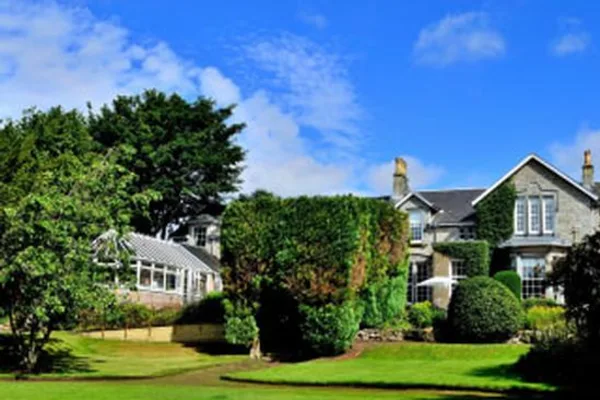
- Gardens
- Residents Kitchenette
- Phone Point in own room
- Television point in own room
Funding & Fees
Weekly Charges per Person
The price(s) shown are provided by the care home. Contact Ashley House for full pricing details and T&Cs.
Contact Ashley House to confirm what's included and get a personalised quote
Funding Types Accepted
- Self-Funding (Private)
- Local Authority with Top-up
- Local Authority
Support you may be entitled to
- If you choose a care home based in Scotland, you may be eligible for the Scottish Government's Free Personal Care funding of up to £260.30 per week if you're over the age of 65. This support is not reflected in this fee amount.
Good to Know
Owner
- Jane Allan
- Private Owned
Person in charge
- Ashley Hume (Manager)
Local Authority / Social Services
Admission Information
- Ages 65+
Care Home Design/Build
- Purpose Built: No
Room Information
- Single Rooms (32)
- Single Rooms with ensuite Wet Room (20)
Are you the Owner/Manager of Ashley House?View your Advertising Options
Ashley House Reviews (3)
Over all time Ashley House has 3 reviews.
Filter Reviews
Overall Experience
Date Published
Reviewer Connection to Ashley House
Loading...
Review from Julia A (Daughter of Resident) published on 20 February 2020 Submitted via Website•
Overall Experience
Our mother was a resident in Ashley House for over ten years and the care she and her family experienced was kindly, considerate and professional. Guided by their expertise, our loved one lived as independent a life as her increasingly debilitating dementia allowed. As the years passed and our...
Our mother was a resident in Ashley House for over ten years and the care she and her family experienced was kindly, considerate and professional. Guided by their expertise, our loved one lived as independent a life as her increasingly debilitating dementia allowed. As the years passed and our family had birthdays, weddings, babies and big life events, her many carers helped her to celebrate with us. Staff turnover being remarkably low, many of the team were with her for years. Indeed, her main nurse was there supporting us from day one until the moment she passed away, guiding us all with dignity and tenderness through the palliative and end of life stages. Ten years ago, our family had to accept that we needed help to care for our mother. It was a very tough time and a difficult decision to make but we have never regretted choosing Ashley House to be her home.
Review from Gavin C (Son of Resident) published on 29 January 2019 Submitted via Website•
Overall Experience
The care home operates at a high standard and its difficult to comment on areas for improvement. Lost clothing is an ongoing problem even with ID tags and often when my Aunt and I visit, there are a few garments remaining in her drawers. We have bought my mother more clothes but they still...
The care home operates at a high standard and its difficult to comment on areas for improvement. Lost clothing is an ongoing problem even with ID tags and often when my Aunt and I visit, there are a few garments remaining in her drawers. We have bought my mother more clothes but they still disappear - its hard to believe they are all being washed.
Review from Kenneth W (Son of Resident) published on 22 January 2019 Submitted via Website•
Overall Experience
Excellent dining room and lounge/conservatory. Great with special events, like Christmas parties, open days, mad hatters tea party etc. Although there is an activity planned every day, it does not always happen. Staff helpful and caring.
Excellent dining room and lounge/conservatory. Great with special events, like Christmas parties, open days, mad hatters tea party etc. Although there is an activity planned every day, it does not always happen. Staff helpful and caring.
Regulatory Rating
Care Inspectorate (CI) Rating
Date: 12 January 2026- How well do we support people's wellbeing?Very Good
(5)
- How good is our leadership?Good
(4)
- How good is our staff team?Very Good
(5)
- How good is our setting?Very Good
(5)
- How well is care and support planned?Very Good
(5)
Bed Vacancies
Please contact us for latest vacancies.
News (0) & Events (0)
News
There are no news items for Ashley House.
Upcoming Events
There are no upcoming events for Ashley House.
Awards / Recognitions (0)
There are currently no awards/recognitions posted yet for Ashley House.
Accreditations
There are no accreditations posted yet for Ashley House.
Meet the Team (0)
There are no Team Members posted yet.
Frequently Asked Questions about Ashley House
What types of Care is Ashley House registered for?
Older Person Care, Dementia are the registered (by the Care Quality Commission) categories of Care.
How many Rooms does Ashley House have?
There are 32 Single Rooms.
What are the Facilities & Services at Ashley House?
Own Furniture if required, Close to Local shops, Near Public Transport, Minibus or other transport, Lift, Wheelchair Access, Gardens, Residents Kitchenette, Phone Point in own room, Television point in own room are some of the Facilities & Services.
How far is Ashley House to the centre of Kinross?
1.7 mile(s) as the crow flies, distance by road may be significantly further.
Information on this page is displayed without responsibility for its accuracy on the part of carehome.co.uk. Please contact Ashley House to verify any information. View our terms and conditions. Ashley House has a Basic Service -what a Basic Service includes.