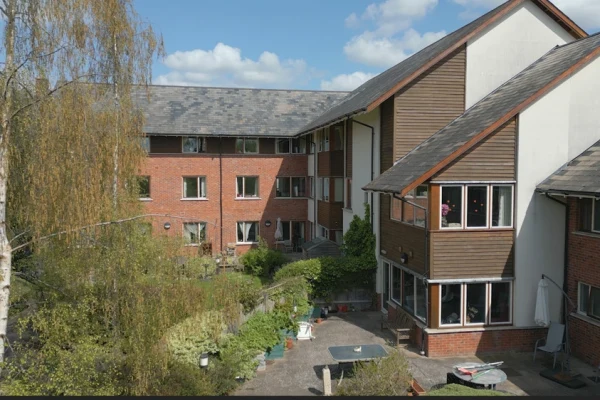
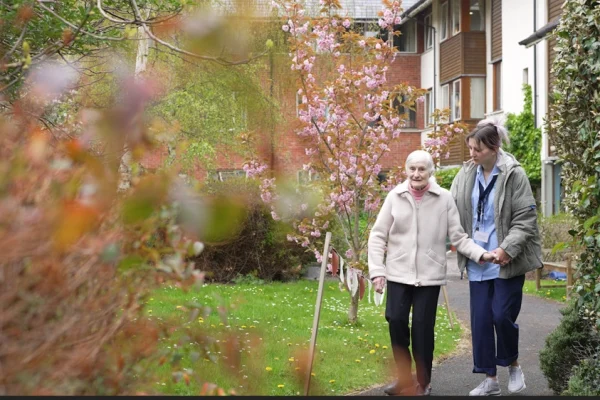
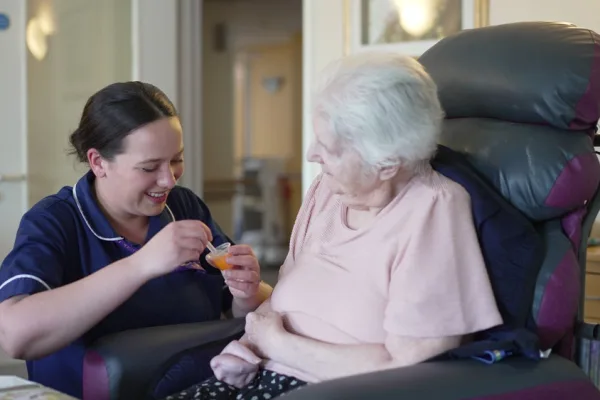
Waverley House Care Home has an excellent record in providing up-to-date elderly care methods which are appreciative of personal needs and family circumstance.
The home practises independent living techniques, including for service users who have dementia, with the aim of achieving the best possible quality of life for as long as possible.
A number of activities and therapies are available depending upon requirements and Waverley House's friendly team of staff benefit from a range of regular training programmes.
Loading travel time
Care Provided by Waverley House
Primary Care Categories
Older Person Care
Dementia
Length of Stay
Permanent Care
Respite Care
Care Types Provided
Dementia Nursing Care
For a maximum of 47 Service Users
Dementia Care Types
Mild Dementia
Moderate Dementia
Other Care Provided
Palliative / End of Life Care
Day Care
Facilities
Own Furniture if required
Pet Friendly (or by arrangement)
Close to Local shops
Near Public Transport
Lift
Wheelchair Access
Gardens
Residents Kitchenette
Phone Point in own room
Television point in own room
Funding & Fees
Weekly Charges per Person
Type of care
Permanent
Respite
Nursing Dementia Care
From £1,357
From £1,457
Contact Waverley House to confirm what's included and get a personalised quote:
The price(s) shown are provided by the care home. Contact Waverley House for full pricing details and T&Cs.
Funding Types Accepted
Self-Funding (Private)
Local Authority with Top-up
Local Authority
NHS Continuing Healthcare (CHC)
Support you may be entitled to
If you choose a care home based in England, you may be eligible for NHS Funded Nursing Care (FNC), which helps cover the cost of nursing. This is worth £267.68 per week and is usually paid directly to the care home.
Tours
Onsite Tours of Waverley HouseUsually available on Mon, Tue, Wed, Thu, Fri(between 10:00 AM to 3:00 PM)Would you like to book a tour? We can arrange a tour for you to view the service.
Remote Tours of Waverley HouseUsually available on Mon, Tue, Wed, Thu, Fri(between 10:00 AM to 3:00 PM)Would you like to book a virtual tour? We can arrange a virtual tour via Zoom for you to view the service.
Review from M A (Friend of Resident) published on 9 January 2023 Submitted via Website•
Overall Experience
My dear friend and companion spent a month at Waverley House until mid-December during the final weeks of her life when she was at her most weak and vulnerable. I visited her often and was able to witness for myself the attentive and consistently good care she received from the fantastic team...
My dear friend and companion spent a month at Waverley House until mid-December during the final weeks of her life when she was at her most weak and vulnerable. I visited her often and was able to witness for myself the attentive and consistently good care she received from the fantastic team there. From the caring and accommodating manager and his warm, friendly deputy to every member of the team, nurses, carers and all the other staff at this special care home. They always made me feel welcome and worked tirelessly to help my friend stay comfortable and well cared for. The home is modern, bright, clean and always welcoming. My friend had special dietary restrictions and nothing was ever too much trouble for them to provide! The amazing nurses and carers helped my friend through a very peaceful passing when her time came. I can't recommend Waverley House strongly enough and will be ever grateful for the exemplary care they gave my dearest friend.
Facilities
Care / Support
Cleanliness
Treated with Dignity
Food & Drink
Staff
Activities
No Rating
Management
Safety / Security
Rooms
Value for Money
No Rating
Review from Andy H (Son of Resident) published on 5 November 2021 Submitted via Website•
Overall Experience
Dad has been a resident now for four years and as a family, we have a long association with the team at Waverley. Always welcoming, friendly and with a 'nothing is ever too much trouble' attitude, the staff at Waverley are exemplary in the work they do in caring for my father and all the other...
Dad has been a resident now for four years and as a family, we have a long association with the team at Waverley. Always welcoming, friendly and with a 'nothing is ever too much trouble' attitude, the staff at Waverley are exemplary in the work they do in caring for my father and all the other residents. The home is a 'home' and not just somewhere that Dad lives. It is clean, bright, warm and has a lovely feel. The food is well presented, varied and appetising and residents are given a choice of daily meals. All in all, it is a first-class home and I would highly recommend to anyone looking for a secure, safe and well managed home for a loved one.
Facilities
Care / Support
Cleanliness
Treated with Dignity
Food & Drink
Staff
Activities
Management
Safety / Security
Rooms
Value for Money
Review from Sue L (Sister of Resident) published on 18 June 2021 Submitted via Website•
Overall Experience
The team at Waverley House have provided friendly and caring services for my elderly sister. They show sensitivity to my sister’s wishes and needs. I think this is due to good leadership which has developed a caring and conscientious staff.
The team at Waverley House have provided friendly and caring services for my elderly sister. They show sensitivity to my sister’s wishes and needs. I think this is due to good leadership which has developed a caring and conscientious staff.
Facilities
Care / Support
Cleanliness
Treated with Dignity
Food & Drink
Staff
Activities
Management
Safety / Security
Rooms
Value for Money
Review from Michelle B (Granddaughter of Resident) published on 18 June 2021 Submitted via Website•
Overall Experience
Over the past few years, the staff at Waverley House have looked after my Gran on the nursing floor, and my Grandad first as a visitor to the day centre and then as a resident. I feel the fact my Grandad chose to move to Waverley House after my Gran passed away demonstrates how high the standard...
Over the past few years, the staff at Waverley House have looked after my Gran on the nursing floor, and my Grandad first as a visitor to the day centre and then as a resident. I feel the fact my Grandad chose to move to Waverley House after my Gran passed away demonstrates how high the standard of care is. During COVID-19 there have been no cases at the home, the staff have been tremendous on this front. When we weren't allowed to visit on a couple of occasions they helped organise Skype calls. There are countless personal little touches that make the world of difference. To say the staff are kind is an understatement, I have interacted with staff in the office, nurses, HCAs, domestics and the chefs. Everyone goes out of their way to look out for the residents and visitors. Knowing my Grandad is here, safe and loved gives me peace. All I can really say is thank you.
Facilities
Care / Support
Cleanliness
Treated with Dignity
Food & Drink
Staff
Activities
Management
Safety / Security
Rooms
Value for Money
No Rating
Review from Andy P (Son of Resident) published on 10 December 2020 Submitted via Website•
Overall Experience
Both our father, who sadly died in 2013 and now our mother who has been there two years have benefitted from the care and support of the Waverley Care Home since 2012.
Finding a care home that meets the needs of the family member and in a location that allows for visits from, distant family is...
Both our father, who sadly died in 2013 and now our mother who has been there two years have benefitted from the care and support of the Waverley Care Home since 2012. Finding a care home that meets the needs of the family member and in a location that allows for visits from, distant family is difficult. We as a family feel grateful to have found this one. The manager, who has been there throughout our time of involvement and his staff have always shown great support and knowledge of our parent's needs. You have to visit and feel the culture and management rather than read reports. I know so much time and effort goes into providing quality care and support to each and every resident, regardless of their needs. There will always be times when your expectations may not be met or decisions are made that may not fit within your expectations. In all these cases we have been able to discuss, understand, or have an impact on what is offered.
I hope that this will helps others.
Facilities
Care / Support
Cleanliness
Treated with Dignity
Food & Drink
Staff
Activities
Management
Safety / Security
Rooms
Value for Money
Review from Kay T (Niece of Resident) published on 6 October 2020 Submitted via Website•
Overall Experience
Waverley House is well managed with good friendly and caring staff. They are looking after both my Aunt and Uncle and are taking great care to keep them safe and well during this lockdown period. We have been able to visit, and they have made special arrangements to employ a Welsh speaker for them...
Waverley House is well managed with good friendly and caring staff. They are looking after both my Aunt and Uncle and are taking great care to keep them safe and well during this lockdown period. We have been able to visit, and they have made special arrangements to employ a Welsh speaker for them as this is their first language.
I would recommend the home to anyone needing care for their relatives.
Facilities
Care / Support
Cleanliness
Treated with Dignity
Food & Drink
Staff
Activities
Management
Safety / Security
Rooms
Value for Money
Review from Michael R (Brother-in-law of Resident) published on 30 December 2019 Submitted via Website•
Overall Experience
A high-quality service with strong leadership and attention to detailed, individual care needs of residents. All staff are closely involved with residents and demonstrate love and care for them and preserve their dignity at all times and interact with their relatives and always report any concerns.
A high-quality service with strong leadership and attention to detailed, individual care needs of residents. All staff are closely involved with residents and demonstrate love and care for them and preserve their dignity at all times and interact with their relatives and always report any concerns.
Facilities
Care / Support
Cleanliness
Treated with Dignity
Food & Drink
Staff
Activities
Management
Safety / Security
Rooms
Value for Money
Review from Jennie G (Friend of Resident) published on 1 February 2019 Submitted via Postal Card•
Overall Experience
I cannot recommend more highly the professional care and warm atmosphere of Waverley House. It is a home from home with all staff always available to help.
Luckily I don't need care yet but if I did I would be happy to be in Waverley.
I cannot recommend more highly the professional care and warm atmosphere of Waverley House. It is a home from home with all staff always available to help.
Luckily I don't need care yet but if I did I would be happy to be in Waverley.
Facilities
Care / Support
Cleanliness
Treated with Dignity
Food & Drink
Staff
Activities
Management
Safety / Security
Rooms
Value for Money
Review from Maja S (Friend of Resident) published on 9 March 2017 Submitted via Review Postal Card•
Overall Experience
I seem to have been visiting Waverley House for many years since most of my friends are old - I myself am 88 and so, unfortunately, some becoming unable to look after themselves. I have also visited in other homes and Waverley is by far the most professionally run whilst retaining a very personal...
I seem to have been visiting Waverley House for many years since most of my friends are old - I myself am 88 and so, unfortunately, some becoming unable to look after themselves. I have also visited in other homes and Waverley is by far the most professionally run whilst retaining a very personal touch with its clients, families and other visitors like me. For one, you feel there is an understanding of ageing and its problems both physically and psychologically and the necessary frills that are a part of our last years. Obviously, the staff are well trained and well supervised and work as a team. I cannot comment on the 'value for money' side since I am not involved with having to pay but feel National Health should pay for its elderly. The World is not perfect.
Facilities
Care / Support
Cleanliness
Treated with Dignity
Food & Drink
Staff
Activities
Management
Safety / Security
Rooms
Value for Money
No Rating
Regulatory Rating
Care Quality Commission (CQC) Rating
Date: 13 April 2019
Overall Good
CaringGood
EffectiveGood
ResponsiveGood
SafeRequires improvement
Well-ledGood
Inspection ratings
We rate most services according to how safe, effective, caring, responsive and well-led they are, using four levels:
Outstanding - The service is performing exceptionally well.
Good - The service is performing well and meeting our expectations.
Requires Improvement - The service isn't performing as well as it should and we have told the service how it must improve.
Inadequate - The service is performing badly and we've taken action against the person or organisation that runs it.
Not rated - we have not yet rated this area of the service, this is normally because the assessments we have carried out have been focused on other key questions.
Care Quality Commission is responsible for the registration and inspection of social care services in England.View Latest Report
There are no accreditations posted yet for Waverley House.
Meet the Team (2)
Tilly Sayce-PlaneJob Title Team LeaderJoined 2017
After finishing my degree I returned to live in the Leominster area, I was looking for a job to get into the health care sector. I applied for...
After finishing my degree I returned to live in the Leominster area, I was looking for a job to get into the health care sector. I applied for several care positions, Waverley’s “care for them like your own family” attitude is what drew me to them.
When I first started at Waverley I was extremely nervous and had zero experience with helping to care for others. The team were fantastic showing me around and able to answer all my questions. One benefit of working for Shaw is the 70 hours shadowing period. In other care settings, this can period can be as low as 12 hours. Shadowing over a longer period like this allowed me to learn from staff in a hands-on approach, in turn, this allowed myself and the resident to feel confident in my ability to carry out high-quality care when I started my shifts.
I had been a support worker for two years when the position of a team leader became available. I had worked hard as a support worker and felt ready to progress in my career, after an interview I was offered the position.
My current role includes liasing with other health care professionals such as doctors and social workers. It involves me creating care plans individually tailored to each resident under my care. Care plans highlight client's specific needs and includes important information in regards to an individual's care. As a team leader, I am also responsible for a team of care staff in the delivery of care to residents in a designated residential unit. I am responsible for the management and administration of medication. My role includes working effectively with others within the home to ensure resident's needs are safely met. Furthermore, I strive to champion person-centred care approaches. It is my responsibility to maintain knowledge of the organisation’s responsibilities under the CQC regulations, including residents’ rights. In addition to Work in compliance with Shaw Healthcare Policies & Procedures.
Working for the Waverley House has provided me with the opportunity to develop my career within health care. Waverley House is currently part of an exciting development leadership program which are looking for future management candidates amongst their current staff. After an interview process, I was offered the role of an engagement champion. This new role, alongside my team leader position, will allow me to work more closely with management, helping me to develop my leadership style and support new and current staff within the home.
Camille Beecher-WilsonJob Title Deputy ManagerJoined 2018
I have been a part of the Waverley Team for two years and it has been a fulfilling experience to work amongst some of the most caring and...
I have been a part of the Waverley Team for two years and it has been a fulfilling experience to work amongst some of the most caring and knowledgeable individuals. It has been an honour to accompany our residents along this important journey of their lives, and provide the wellness, happiness and kindness along the way. I like working at Waverley because amidst all that may seem uncertain to our residents and their families, we provide the certainty of a home away from home. The Waverley Warmth is an experience to be felt, and its great to be a part of that.
Information on this page is displayed without responsibility for its accuracy on the part of carehome.co.uk. Please contact Waverley House to verify any information. View our terms and conditions. Waverley House has an Enhanced Service -what an Enhanced Service includes.