Loading travel time
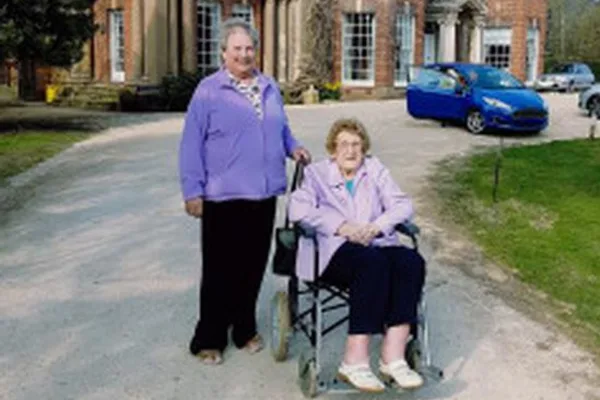







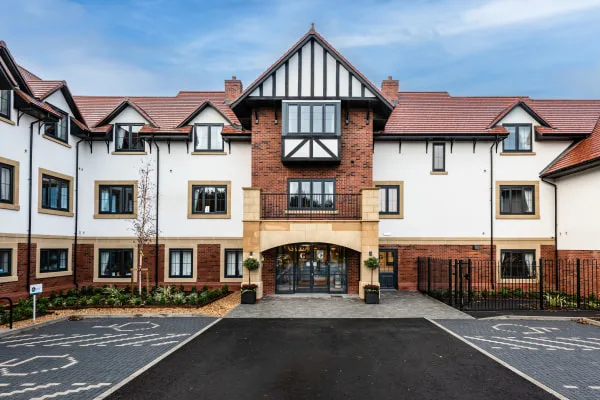

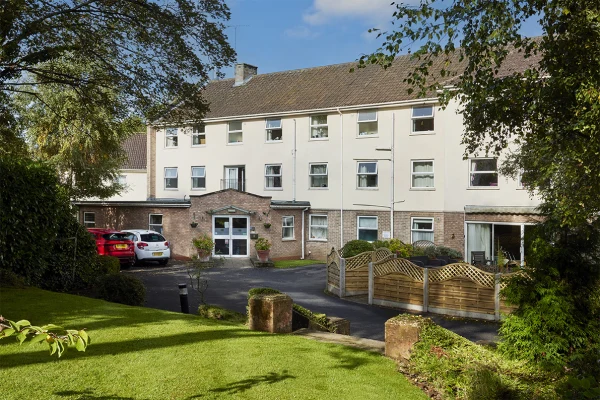
Care Provided by Holmwood Care Centre
Primary Care Categories
- Older Person Care
- Dementia
- Mental Health Condition
- Physical Disability
- Visual / Hearing Impairment
Length of Stay
- Permanent Care
- Respite Care
Care Types Provided
- Residential Care
- Nursing Care
- Dementia Residential Care
- Dementia Nursing Care
- For a maximum of 60 Service Users
Dementia Care Types
- Mild Dementia
- Moderate Dementia
- Advanced/Complex Dementia
Other Care Provided
- Parkinson's Disease
- Stroke
- Palliative / End of Life Care
- Convalescent Care
Facilities
- Own Furniture if required
- Smoking not permitted
- Close to Local shops
- Near Public Transport
- Minibus or other transport
- Lift
- Wheelchair Access
- Gardens
- Bar/Café
- Phone Point in own room
- Television point in own room
- Residents Internet Access
Funding & Fees
Contact Holmwood Care Centre to confirm what's included and get a personalised quote
Funding Types Accepted
- Self-Funding (Private)
- Local Authority with Top-up
- Local Authority
- NHS Continuing Healthcare (CHC)
Good to Know
Owner
- Holmwood Care Centre
- Private Owned
Person in charge
- Leesha Crocombe (Registered Manager)
Local Authority / Social Services
Admission Information
- Ages 60+
Care Home Design/Build
- Purpose Built: Yes
- Last Refurbishment: 2013
Room Information
- Single Rooms (58)
- Couples/Companion Rooms (1)
- Single Rooms with ensuite Wet Room (58)
Are you the Owner/Manager of Holmwood Care Centre?View your Advertising Options
Holmwood Care Centre Reviews (56)
8.7
Holmwood Care Centre has a Review Score of 8.7 (8.667) out of 10, based on 5 reviews in the last 2 years.
Over all time Holmwood Care Centre has 56 reviews.
Filter Reviews
Overall Experience
Date Published
Reviewer Connection to Holmwood Care Centre
Loading...
Review from Mary J (Daughter-in-law of Resident) published on 12 November 2025 Submitted via Postal Card•
Overall Experience
My father-in-law came to stay with you for just one week prior to his death.
Words cannot express the kindness, compassion and understanding with which we were met. It had become very difficult to care for Dad at home and meet all his needs. The care was at such a higher level in Holmwood than we...
My father-in-law came to stay with you for just one week prior to his death.
Words cannot express the kindness, compassion and understanding with which we were met. It had become very difficult to care for Dad at home and meet all his needs. The care was at such a higher level in Holmwood than we were able to offer at home.
Words cannot express the kindness, compassion and understanding with which we were met. It had become very difficult to care for Dad at home and meet all his needs. The care was at such a higher level in Holmwood than we were able to offer at home.
Thank you, from all his family, for everything.
↩Reply from Nicole Howarth, on behalf of the team at Holmwood Care Centre
Thank you for taking the time to leave us such a kind review. We're truly sorry for your loss, it was a privilege for us to care for your father-in-law during his time at Holmwood. We're so glad to know that our team's care and compassion brought comfort to him and your family. Please accept our sincere condolences from everyone here at Holmwood.
Review from C B (Daughter of Resident) published on 8 October 2025 Submitted via Postal Card•
Overall Experience
My mother was recently taken ill on a bank holiday. The staff on duty acted immediately, taking observations and calling for a doctor with no hesitation, at all times, they were very professional and showed great care to myself and my brother, who were present at the time. This kindness was shown...
My mother was recently taken ill on a bank holiday. The staff on duty acted immediately, taking observations and calling for a doctor with no hesitation, at all times, they were very professional and showed great care to myself and my brother, who were present at the time. This kindness was shown by all members of staff at all levels, but particularly nurse Vernilla and nurse Carol. Thank you.
↩Reply from Nicole Howarth, on behalf of the team at Holmwood Care Centre
Thank you for taking the time to leave us such a fantastic review! I'm so glad to hear that our team acted quickly and professionally when your mother became unwell, and that you and your brother felt supported throughout. Your wonderful comments have been passed on to the team, who will be delighted to hear your feedback.
Review from M G (Son of Resident) published on 9 September 2025 Submitted via Postal Card•
Overall Experience
The staff are very open and friendly. The manager is kind and welcoming. The moving process has been very smooth.
The staff are very open and friendly. The manager is kind and welcoming. The moving process has been very smooth.
↩Reply from Nicole Howarth, on behalf of the team at Holmwood Care Centre
Thank you for taking the time to leave us such a fantastic review! We're so pleased to hear that your loved one is receiving such great care at Holmwood Care Centre. It's also wonderful to know that you've found the team to be welcoming and that the moving process has gone smoothly. I will pass on your kind comments to the whole team.
Review from Amy D (Daughter of Resident) published on 21 August 2025 Submitted via Website•
Overall Experience
A particular lady has been a fantastic asset to Holmwood and I honestly think she should stay managing the home. She has worked hard to turn the home around and add lots of positive things making it a better experience for both residents and families who visit. Since she has been at the home she...
A particular lady has been a fantastic asset to Holmwood and I honestly think she should stay managing the home. She has worked hard to turn the home around and add lots of positive things making it a better experience for both residents and families who visit. Since she has been at the home she has got new cups, new menus, employed more staff (which the home needed) supported myself and reassured me that my mother is okay and she ensures her residents are well looked after by being present on the floor so she can see what is happening within the home. Yesterday she was out of her office encouraging residents with their food and making them extra cups of teas. For me this is going above and beyond in your already existing job role in managing a home.Thank you to this lady for all that you have done. It's much appreciated.
↩Reply from Nicole Howarth, on behalf of the team at Holmwood Care Centre
Thank you for your positive review. We're so pleased to hear that our colleague's dedication has made such a positive difference to both your experience and your mother's care at Holmwood. Our team works hard to create a welcoming and supportive environment for both residents and their loved ones,...
Thank you for your positive review. We're so pleased to hear that our colleague's dedication has made such a positive difference to both your experience and your mother's care at Holmwood. Our team works hard to create a welcoming and supportive environment for both residents and their loved ones, so your words mean a lot. Your wonderful comments have been passed on to the team, who will be delighted to hear your feedback.
Review from Sue S (Daughter of Resident) published on 29 July 2025 Submitted via Website•
Overall Experience
My relative has been with Holmwood for two and a half years, she loves it!
You will often hear her say, " I love my room", and she is so happy there that after an hour, hour and a half she asks how she can get back, when out visiting anywhere.
You will often hear her say, " I love my room", and she is so happy there that after an hour, hour and a half she asks how she can get back, when out visiting anywhere.
There had been a few issues this year, but that has...
My relative has been with Holmwood for two and a half years, she loves it!
You will often hear her say, " I love my room", and she is so happy there that after an hour, hour and a half she asks how she can get back, when out visiting anywhere.
You will often hear her say, " I love my room", and she is so happy there that after an hour, hour and a half she asks how she can get back, when out visiting anywhere.
There had been a few issues this year, but that has altered in the last three weeks since the regional manager has come to support the home, there has been an improvement all round.
↩Reply from Nicole Howarth, on behalf of the team at Holmwood Care Centre
Thank you for taking the time to leave us such a fantastic review! We're delighted to hear how much your relative is enjoying her room and feels at home at Holmwood Care Centre. We also appreciate you acknowledging the recent improvements. I will pass on your kind comments to the whole team.
Review from Louise O (Daughter of Resident) published on 31 July 2024 Submitted via Website•
Overall Experience
Thank you so much for the wonderful care provided to our Dad at the end of his life. He was only with you a short time however his and our experience was of kindness, professionalism and respect. This means so much at a very difficult time for our family, knowing that we did our best by placing our...
Thank you so much for the wonderful care provided to our Dad at the end of his life. He was only with you a short time however his and our experience was of kindness, professionalism and respect. This means so much at a very difficult time for our family, knowing that we did our best by placing our trust in your care.
I thank you for your responsiveness prior to us selecting Holmwood and to the Deputy Manager, for answering my queries with knowledge and candour. You and your team did not let us down.
I thank you for your responsiveness prior to us selecting Holmwood and to the Deputy Manager, for answering my queries with knowledge and candour. You and your team did not let us down.
Everyone was so helpful and nothing was too much trouble. The dignity afforded at the end of Dad's life made a difficult time more bearable.
↩Reply from Monika Jankauskaite, Digital Marketing Manager at Holmwood Care Centre
Thank you so much for your kind words. We're deeply touched to hear that our care provided comfort during such a challenging time. It was a privilege to support your dad and your family. We're grateful for your trust in us and pleased to know that our team's efforts made a difference. If you ever need to talk or require any support in the future, please don't hesitate to reach out.
Review from Maura G (Friend of Resident) published on 19 June 2024 Submitted via Postal Card•
Overall Experience
Overall the care is very good... but communication between some staff and residents is very poor... a language barrier, a lot of the nursing staff can't or don't speak English making life very difficult for lots of people.
Overall the care is very good... but communication between some staff and residents is very poor... a language barrier, a lot of the nursing staff can't or don't speak English making life very difficult for lots of people.
↩Reply from Monika Jankauskaite, Digital Marketing Manager at Holmwood Care Centre
Thank you for your feedback about Holmwood Care Centre. We appreciate your acknowledgement that the overall care is very good, and we value your insights on areas where we can improve. Your feedback is important to us as it helps us improve our services. We'd like to learn more about your specific...
Thank you for your feedback about Holmwood Care Centre. We appreciate your acknowledgement that the overall care is very good, and we value your insights on areas where we can improve. Your feedback is important to us as it helps us improve our services. We'd like to learn more about your specific situation and make things right. If you wouldn't mind giving us a call at 01562 824 496 at your earliest convenience, it would be greatly appreciated.
Review from P T (Wife of Resident) published on 19 June 2024 Submitted via Postal Card•
Overall Experience
After my husband being in a couple of homes prior to Holmwood he is finally settled and is a lot happier but also for the family we feel relieved knowing my husband is in a better home. The staff are very friendly, helpful and considerate. We are always kept informed about my husband if he is ill,...
After my husband being in a couple of homes prior to Holmwood he is finally settled and is a lot happier but also for the family we feel relieved knowing my husband is in a better home. The staff are very friendly, helpful and considerate. We are always kept informed about my husband if he is ill, or has a doctor to visit him. On the whole we are very pleased with the care given to my husband.
↩Reply from Monika Jankauskaite, Digital Marketing Manager at Holmwood Care Centre
Thank you for sharing your experience with Holmwood Care Centre. We are delighted to hear that your husband has settled in well here and is much happier compared to his previous homes. Knowing that you and your family feel relieved and confident in the care he is receiving means a great deal to us....
Thank you for sharing your experience with Holmwood Care Centre. We are delighted to hear that your husband has settled in well here and is much happier compared to his previous homes. Knowing that you and your family feel relieved and confident in the care he is receiving means a great deal to us. We are committed to providing a friendly, helpful, and considerate environment, and it's gratifying to hear that our team's efforts are making a positive impact.
Review from H D (Daughter of Resident) published on 19 June 2024 Submitted via Postal Card•
Overall Experience
Mum has been a resident at Holmwood for over 12 months. She has settled in very well and is happy. She tells me often how lovely the staff are and how well they treat her. Mum now eats well and says the food is excellent. She eats much better now than when she was living in her own home.
Mum takes...
Mum has been a resident at Holmwood for over 12 months. She has settled in very well and is happy. She tells me often how lovely the staff are and how well they treat her. Mum now eats well and says the food is excellent. She eats much better now than when she was living in her own home.
Mum takes part in various activities and enjoys having her hair done.
Mum takes part in various activities and enjoys having her hair done.
It is great peace of mind to know Mum is being so well cared for! Thanks to all staff!
↩Reply from Monika Jankauskaite, Digital Marketing Manager at Holmwood Care Centre
Thank you for sharing such wonderful feedback about your mother's experience at Holmwood Care Centre. We are thrilled to hear that she has settled in well and is happy with her life here. Your kind words about the peace of mind you feel knowing she is well cared for mean a great deal to us. Thank...
Thank you for sharing such wonderful feedback about your mother's experience at Holmwood Care Centre. We are thrilled to hear that she has settled in well and is happy with her life here. Your kind words about the peace of mind you feel knowing she is well cared for mean a great deal to us. Thank you for acknowledging the hard work of our staff. We will make sure to share your appreciation with them.
Review from R U (Niece of Resident) published on 26 September 2023 Submitted via Postal Card•
Overall Experience
Holmwood Care Centre took lovely care of my uncle. All of the nurses made him smile even on the last few days of his life. He was always smart, clean, tidy and content whenever we visited. The nurses always made time for him and we could all tell that he was comfortable there. The home was...
Holmwood Care Centre took lovely care of my uncle. All of the nurses made him smile even on the last few days of his life. He was always smart, clean, tidy and content whenever we visited. The nurses always made time for him and we could all tell that he was comfortable there. The home was spotlessly clean and the nurses were always available to answer any questions.
↩Reply from Sydney Lyttleton, Marketing Assistant at Holmwood Care Centre
We appreciate your feedback about Holmwood Care Centre and the care provided to your uncle. It's heartening to hear that the nurses were able to make him smile even in his final days. The smart, clean, and tidy appearance, along with his contentment during your visits, are important indicators of...
We appreciate your feedback about Holmwood Care Centre and the care provided to your uncle. It's heartening to hear that the nurses were able to make him smile even in his final days. The smart, clean, and tidy appearance, along with his contentment during your visits, are important indicators of the quality of care. The cleanliness of the home and the nurses' availability to answer questions are commendable. Thank you for sharing your positive experience.
Review from Paul M (Respite Resident) published on 31 July 2023 Submitted via Postal Card•
Overall Experience
Thank you all very much for all your help and care, you are all amazing.
Thank you all very much for all your help and care, you are all amazing.
↩Reply from Sydney Lyttleton, Marketing Assistant at Holmwood Care Centre
Thank you for your kind words and for taking the time to leave us a review.
Review from Geraldine M (Private Carer of Resident) published on 21 July 2023 Submitted via Website•
Overall Experience
I attend the home on a weekly basis to provide routine foot care to most of the service users. I worked here many years ago as a nurse and was pleased to be asked to return in my new role.
The staff are always welcoming, friendly and approachable. The care I see given is excellent. Everyone goes...
I attend the home on a weekly basis to provide routine foot care to most of the service users. I worked here many years ago as a nurse and was pleased to be asked to return in my new role.
The staff are always welcoming, friendly and approachable. The care I see given is excellent. Everyone goes above and beyond to ensure that the service users are happy and motivated.
They work as a team but also seem to be like one big happy family. From the domestics, to the care staff, cooks and activity ladies, nurses and management, they all have the service users right at the heart of all they do.
The staff are always welcoming, friendly and approachable. The care I see given is excellent. Everyone goes above and beyond to ensure that the service users are happy and motivated.
They work as a team but also seem to be like one big happy family. From the domestics, to the care staff, cooks and activity ladies, nurses and management, they all have the service users right at the heart of all they do.
Keep doing what you do.
↩Reply from Sydney Lyttleton, Marketing Assistant at Holmwood Care Centre
We're truly grateful for your dedicated service at Holmwood Care Centre and for sharing your positive perspective. Your observations of the welcoming, friendly, and approachable staff are heartwarming. It's wonderful to hear that you've witnessed excellent care and the team's commitment to ensuring...
We're truly grateful for your dedicated service at Holmwood Care Centre and for sharing your positive perspective. Your observations of the welcoming, friendly, and approachable staff are heartwarming. It's wonderful to hear that you've witnessed excellent care and the team's commitment to ensuring the service users' happiness and motivation. The sense of unity and a big happy family is a testament to the collaborative and compassionate spirit of everyone at the home. Thank you for being an integral part of this community, and we'll certainly continue our commitment to providing exceptional care.
Review from D C (Resident / Service User) published on 27 January 2023 Submitted via Postal Card•
Overall Experience
I have been in Holmwood Care Centre for 12 weeks. The room is satisfactory, the food is acceptable and nothing appears too much trouble for the staff. I feel cared for and safe, and that the patient's interests are uppermost. As a result, I can say I'm generally happy with all aspects of this home...
I have been in Holmwood Care Centre for 12 weeks. The room is satisfactory, the food is acceptable and nothing appears too much trouble for the staff. I feel cared for and safe, and that the patient's interests are uppermost. As a result, I can say I'm generally happy with all aspects of this home and my care.
Review from Christopher M (Son of Resident) published on 27 December 2022 Submitted via Postal Card•
Overall Experience
My father was treated excellently in the last four days he stayed at Holmwood Care Centre. All the staff were amazing. They treated my dad with care and compassion and made his last few days comfortable and safe. I couldn't have seen him treated better. Thank you all.
My father was treated excellently in the last four days he stayed at Holmwood Care Centre. All the staff were amazing. They treated my dad with care and compassion and made his last few days comfortable and safe. I couldn't have seen him treated better. Thank you all.
↩Reply from Sydney Lyttleton, Marketing Assistant at Holmwood Care Centre
Thank you for your kind words. We are sad to hear of your Fathers passing. He was a delight to have in the home, and we feel honoured to have got to know him during his time here with us at Holmwood. The care services we deliver as a team are extremely important to us and we are very proud of our...
Thank you for your kind words. We are sad to hear of your Fathers passing. He was a delight to have in the home, and we feel honoured to have got to know him during his time here with us at Holmwood. The care services we deliver as a team are extremely important to us and we are very proud of our home and the team who look after our residents. Our team here at Holmwood Care Centre would like to thank you for taking the time to leave such a positive review.
Review from David H (Son of Resident) published on 19 July 2022 Submitted via Website•
Overall Experience
My mother is fantastically looked after. She has taken to the staff who provide her every need. She is comfortable and likes the food. She is always clean and clothes always look good. Her bedroom is comfortable as is her bed and armchair. She has decided to stay permanently at Holmwood.
My mother is fantastically looked after. She has taken to the staff who provide her every need. She is comfortable and likes the food. She is always clean and clothes always look good. Her bedroom is comfortable as is her bed and armchair. She has decided to stay permanently at Holmwood.
Review from M F (Granddaughter of Resident) published on 29 June 2022 Submitted via Postal Card•
Overall Experience
More staff should be there at weekends; very difficult to get anyone to answer the phone or give the care people need.
The latest management team are very good and caring.
More staff should be there at weekends; very difficult to get anyone to answer the phone or give the care people need.
The latest management team are very good and caring.
Review from P F (Daughter of Resident) published on 29 June 2022 Submitted via Postal Card•
Overall Experience
Holmwood has had its ups and downs. However, after the previous manager has returned, thins are greatly improved. Staff and residents are happy, and visitors are made very welcome. I have a strong relationship with the staff, who go above and beyond to keep me updated with my mother's health and...
Holmwood has had its ups and downs. However, after the previous manager has returned, thins are greatly improved. Staff and residents are happy, and visitors are made very welcome. I have a strong relationship with the staff, who go above and beyond to keep me updated with my mother's health and well-being. I have no reservations in recommending Holmwood.
Review from K W (Resident / Service User) published on 24 June 2022 Submitted via Postal Card•
Overall Experience
Nationwide shortage of staff causes problems at times but managers adapt well to handle the situation, and are not afraid to roll up their sleeves if necessary.
Nationwide shortage of staff causes problems at times but managers adapt well to handle the situation, and are not afraid to roll up their sleeves if necessary.
Review from J P (Relative of Resident) published on 11 June 2022 Submitted via Website•
Overall Experience
Holmwood Care Centre provides an outstanding service to residents and guests. Excellent experience, excellent nurses, all staff are excellent, excellent grounds, environment and activities.
Holmwood Care Centre provides an outstanding service to residents and guests. Excellent experience, excellent nurses, all staff are excellent, excellent grounds, environment and activities.
Review from David L (Husband of Resident) published on 22 March 2022 Submitted via Postal Card•
Overall Experience
Holmwood is a good establishment with all staff doing a good job. They are pleasant to visitors, efficient in their tasks, keep rooms and corridors etc clean and hazard-free. They have followed Covid protocols to a high standard; they pay close attention to resident's needs. They are extremely...
Holmwood is a good establishment with all staff doing a good job. They are pleasant to visitors, efficient in their tasks, keep rooms and corridors etc clean and hazard-free. They have followed Covid protocols to a high standard; they pay close attention to resident's needs. They are extremely pleasant and amenable to visitors. They go the extra mile to ensure special occasions are memorable to all concerned. No one is perfect, but I am satisfied with the staff and the centre itself.
↩Reply from Monika Jankauskaite, Digital Marketing Manager at Holmwood Care Centre
Thank you for your kind comments about our home. We appreciate you taking the time to leave feedback for Holmwood Care Centre and we are very pleased to hear that your experience has been positive. All of our team are committed to providing the best possible care experience for all of our residents and it is rewarding to have their efforts recognised.
Bed Vacancies
Please contact us for latest vacancies.
News (6) & Events (0)
News
- 25 Jul 2025
The residents at Holmwood Care Centre in Kidderminster welcomed a visit from their local scout group and enjoyed an afternoon of summer themed arts and crafts. The residents really enjoyed...
- 16 Jul 2025
The residents and team at Holmwood Care Centre in Kidderminster hosted a 60’s themed ‘Summer of Love’ summer fete last weekend for their residents and were joined by their families,...
- 13 May 2025
The residents and team at Holmwood Care Centre in Kidderminster have been enjoying the recent glorious weather and getting out in their garden for Aria in Bloom to rejuvenate and...
Upcoming Events
There are no upcoming events for Holmwood Care Centre.
Awards / Recognitions (2)
- 17 Jun 2015Recipient: Holmwood Care Centre
- 24 Feb 2015Recipient: Holmwood Care Centre
Accreditations
There are no accreditations posted yet for Holmwood Care Centre.
Meet the Team (0)
There are no Team Members posted yet.
Frequently Asked Questions about Holmwood Care Centre
What types of Care is Holmwood Care Centre registered for?
Older Person Care, Dementia, Mental Health Condition, Physical Disability, Visual / Hearing Impairment are the registered (by the Care Quality Commission) categories of Care.
How many Rooms does Holmwood Care Centre have?
There are 58 Single Rooms and 1 Couples/Companion Room.
What are the Facilities & Services at Holmwood Care Centre?
Own Furniture if required, Smoking not permitted, Close to Local shops, Near Public Transport, Minibus or other transport, Lift, Wheelchair Access, Gardens, Bar/Café, Phone Point in own room, Television point in own room, Residents Internet Access are some of the Facilities & Services.
How far is Holmwood Care Centre to the centre of Kidderminster?
0.6 mile(s) as the crow flies, distance by road may be significantly further.
Information on this page is displayed without responsibility for its accuracy on the part of carehome.co.uk. Please contact Holmwood Care Centre to verify any information. View our terms and conditions. Holmwood Care Centre has a Basic Service -what a Basic Service includes.