Loading travel time




Care Provided by Inch View
Primary Care Categories
- Older Person Care
- Dementia
Length of Stay
- Permanent Care
Care Types Provided
- Residential Care
- Dementia Residential Care
- For a maximum of 60 Service Users
Dementia Care Types
- Mild Dementia
- Moderate Dementia
- Advanced/Complex Dementia
Funding & Fees
Contact Inch View to confirm what's included and get a personalised quote
Funding Types Accepted
- Self-Funding (Private)
- Local Authority with Top-up
- Local Authority
Good to Know
Group / Owner
- City of Edinburgh Council
- Local Authority Owned
Person in charge
- Jackie Reid (Manager)
Local Authority / Social Services
Admission Information
- Ages 65+
Care Home Design/Build
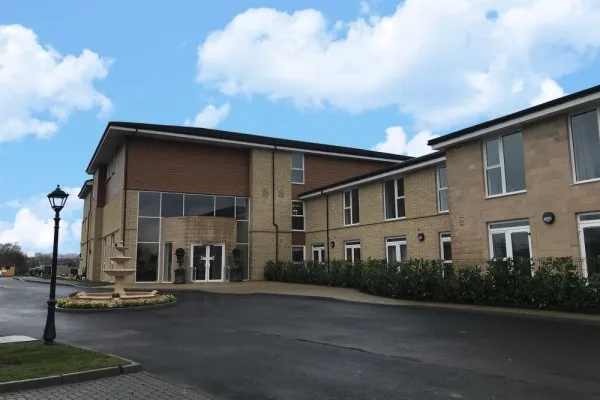
- Purpose Built: Yes
Room Information
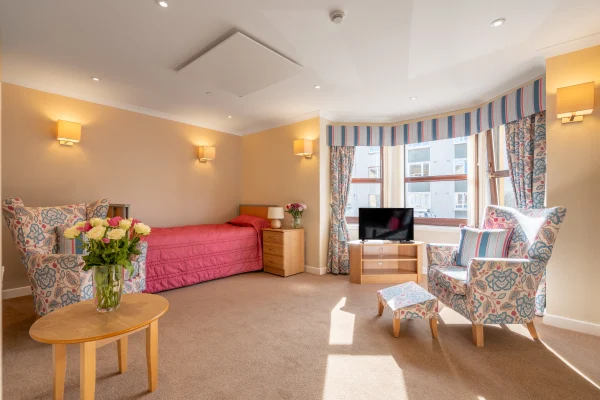
- Single Rooms (60)
- Single Rooms with ensuite Wet Room (60)
Are you the Owner/Manager of Inch View?View your Advertising Options
Inch View Reviews (2)
8.1
Inch View has a Review Score of 8.1 (8.083) out of 10, based on 1 reviews in the last 2 years.
Over all time Inch View has 2 reviews.
Filter Reviews
Overall Experience
Date Published
Reviewer Connection to Inch View
Loading...
Review from Julia M (Daughter of Resident) published on 16 September 2026 Submitted via Website•
Overall Experience
After visiting three nursing homes in Edinburgh, I knew Inchview was the right choice the moment I walked in. My dad spent six wonderful months here from January to August 2026. The staff immediately showed me around the spacious, spotless, and fresh facilities. From day one, they went above and...
After visiting three nursing homes in Edinburgh, I knew Inchview was the right choice the moment I walked in. My dad spent six wonderful months here from January to August 2026. The staff immediately showed me around the spacious, spotless, and fresh facilities. From day one, they went above and beyond to make him feel at home, encouraging him to join daily activities. He settled in quickly, which was an incredible relief.During our near-daily visits, he loved telling us about his new friends and the wonderful carers. The staff always looked after us too, kindly offering refreshments. They spent quality time in his room, laughing at his jokes and enjoying his singing. You can truly feel the amazing atmosphere.His end-of-life care was exceptional. Even the visiting Hospital at Home team praised the high standard of care and the staff's seamless communication. Special thanks to Charisse, Karen, and Rosie. They are credits to their profession.- Julia & Alistair Mack
Review from Sharon B (Daughter of Resident) published on 18 March 2022 Submitted via Website•
Overall Experience
I am very satisfied with this care home.
I was dubious about having to have my father go into care, but I cannot fault the staff of Inch View; they are very caring and compassionate and keep you updated with what’s going on.
The rooms are a lovely size and very clean and tidy.
I was dubious about having to have my father go into care, but I cannot fault the staff of Inch View; they are very caring and compassionate and keep you updated with what’s going on.
The rooms are a lovely size and very clean and tidy.
The level of care...
I am very satisfied with this care home.
I was dubious about having to have my father go into care, but I cannot fault the staff of Inch View; they are very caring and compassionate and keep you updated with what’s going on.
The rooms are a lovely size and very clean and tidy.
The level of care is extremely good.
My father is comfortable, well-fed and very well looked after, and I would definitely recommend Inch View.
Today is my father's birthday, and they have done him a little birthday party with cake and a gift, which is lovely.
They have lots of activities and days out to keep the residents busy.
I was dubious about having to have my father go into care, but I cannot fault the staff of Inch View; they are very caring and compassionate and keep you updated with what’s going on.
The rooms are a lovely size and very clean and tidy.
The level of care is extremely good.
My father is comfortable, well-fed and very well looked after, and I would definitely recommend Inch View.
Today is my father's birthday, and they have done him a little birthday party with cake and a gift, which is lovely.
They have lots of activities and days out to keep the residents busy.
He hasn’t had many days out yet because of Covid and winter, but they really do have the resident's best interest at heart, and as I said, I do highly recommend this facility.
Regulatory Rating
Care Inspectorate (CI) Rating
Date: 26 August 2025- How well do we support people's wellbeing?Good
(4)
- How good is our leadership?Good
(4)
- How good is our staff team?Good
(4)
- How good is our setting?Good
(4)
- How well is care and support planned?Good
(4)
Bed Vacancies
Please contact us for latest vacancies.
News (0) & Events (0)
News
There are no news items for Inch View.
Upcoming Events
There are no upcoming events for Inch View.
Awards / Recognitions (0)
There are currently no awards/recognitions posted yet for Inch View.
Accreditations
There are no accreditations posted yet for Inch View.
Meet the Team (0)
There are no Team Members posted yet.
Frequently Asked Questions about Inch View
What types of Care is Inch View registered for?
Older Person Care, Dementia are the registered (by the Care Quality Commission) categories of Care.
How many Rooms does Inch View have?
There are 60 Single Rooms.
How far is Inch View to the centre of Edinburgh?
2.0 mile(s) as the crow flies, distance by road may be significantly further.
Information on this page is displayed without responsibility for its accuracy on the part of carehome.co.uk. Please contact Inch View to verify any information. View our terms and conditions. Inch View has a Basic Service -what a Basic Service includes.