Primary Care Categories
- Older Person Care
- Dementia
Length of Stay
- Permanent Care
- Respite Care
Care Types Provided
- Residential Care
- Dementia Residential Care
- For a maximum of 63 Service Users
Dementia Care Types
- Mild Dementia

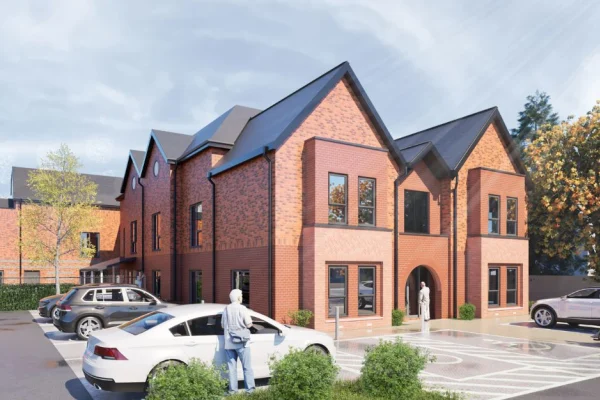
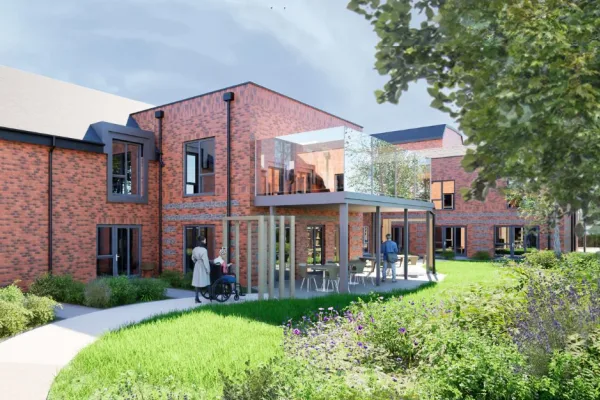
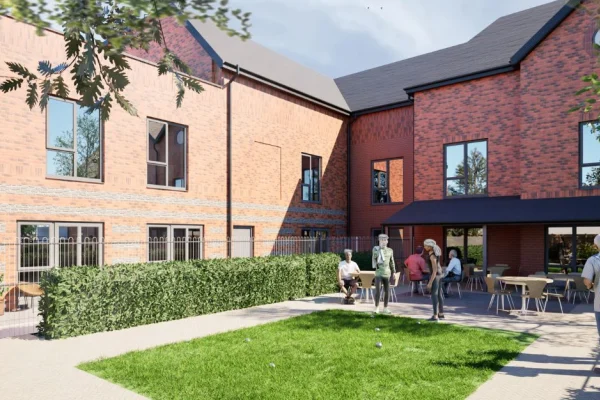
Thames Wood House Care Home is a new care home opening in Autumn 2026 on School Hill in Wargrave, near Reading.
Part of Hamberley Care Homes, Thames Wood House is being created to provide residential, dementia and short-term respite care in a warm, comfortable and thoughtfully designed setting. The home will support older people from Wargrave, Reading, Twyford, Henley-on-Thames and the surrounding Berkshire area.
Residents will be able to enjoy en-suite bedrooms,...
Thames Wood House Care Home is a new care home opening in Autumn 2026 on School Hill in Wargrave, near Reading.
Part of Hamberley Care Homes, Thames Wood House is being created to provide residential, dementia and short-term respite care in a warm, comfortable and thoughtfully designed setting. The home will support older people from Wargrave, Reading, Twyford, Henley-on-Thames and the surrounding Berkshire area.
Residents will be able to enjoy en-suite bedrooms, elegant shared spaces, landscaped gardens and a choice of rooms and suites, including options for couples who wish to stay together. The home will also follow Hamberley’s Homemaker model, a relationship-led approach where consistent team members take time to understand each resident’s routines, preferences and what matters most to them.
The focus at Thames Wood House will be on helping residents feel safe, settled and supported, while giving families confidence that care is personal, attentive and close by when needed.
The Thames Wood House Marketing Suite is now open, giving families the opportunity to meet the team, explore room options, ask questions and talk through care needs, availability, fees and next steps before the home opens.
Contact Thames Wood House to confirm what's included and get a personalised quote:
Please contact us for latest vacancies.
The marketing suite at Thames Wood House Care Home in Wargrave is now open, giving families the opportunity to meet the team, explore room options and learn more about the...
We are thrilled to announce that Hamberley Care Homes has been selected as a finalist for Residential Elderly Care Provider of the Year (Medium Group) at the HealthInvestor Awards 2025!...
There are no upcoming events for Thames Wood House.
There are no accreditations posted yet for Thames Wood House.

Diana is the Home Manager at Thames Wood House Care Home and has worked in healthcare since 2014. As a Registered General Nurse, she brings clinical...
Diana is the Home Manager at Thames Wood House Care Home and has worked in healthcare since 2014. As a Registered General Nurse, she brings clinical experience, care leadership and a strong understanding of person-centred care.
As Thames Wood House prepares to open, Diana is helping to shape the home from the very beginning. Her aim is to create a warm, welcoming and supportive environment where residents feel safe, valued and truly at home.
Diana believes good care starts with kindness, dignity and respect. She places great importance on taking time to understand each resident as an individual, including their life story, routines, preferences and what matters most to them.
She also wants families to feel reassured, included and able to remain an important part of life at the home. Moving into care can be a significant step, and Diana and the team will be there to help make the transition feel as smooth, calm and supportive as possible.
Sue is the Customer Relations Manager at Thames Wood House Care Home and is often the first person families speak to when they begin exploring...
Sue is the Customer Relations Manager at Thames Wood House Care Home and is often the first person families speak to when they begin exploring care.
Having worked in the care sector for the past seven years, Sue understands that looking for a care home can feel emotional and unfamiliar. Her role is to listen, answer questions clearly and help families understand whether Thames Wood House may be the right fit for their situation.
When families visit, Sue can talk through care needs, room options, fees, availability and next steps, as well as share plans for the wider home. She takes a calm, supportive and patient approach, helping families feel able to ask questions and explore their options at their own pace.
Sue is also passionate about building strong local relationships and helping Thames Wood House become part of the wider Wargrave community.
Older Person Care, Dementia are the registered (by the Care Quality Commission) categories of Care.
There are 63 Single Rooms.
5.4 mile(s) as the crow flies, distance by road may be significantly further.
Information on this page is displayed without responsibility for its accuracy on the part of carehome.co.uk. Please contact Thames Wood House to verify any information. View our terms and conditions. Thames Wood House has an Enhanced Service -what an Enhanced Service includes.