even with Covid restrictions, the staff managed to create a haven of comfortGill B(Daughter of Resident/Service User)

His care was excellent and the staff were so supportive to his needs and to usB A(Son of Resident/Service User)


even with Covid restrictions, the staff managed to create a haven of comfortGill B(Daughter of Resident/Service User)

His care was excellent and the staff were so supportive to his needs and to usB A(Son of Resident/Service User)


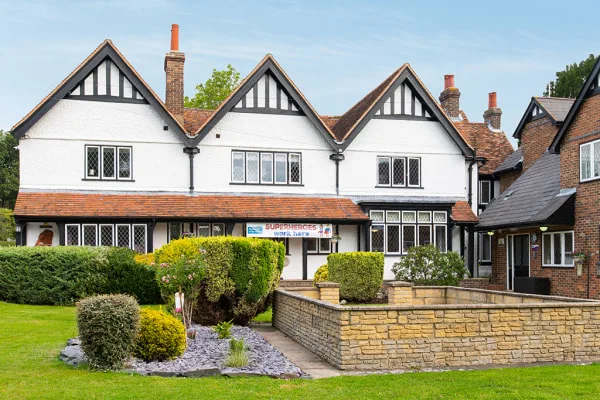
Little Bramingham Farm care home specialises in residential care. Little Bramingham Farm is an oasis of calm in an urban environment.
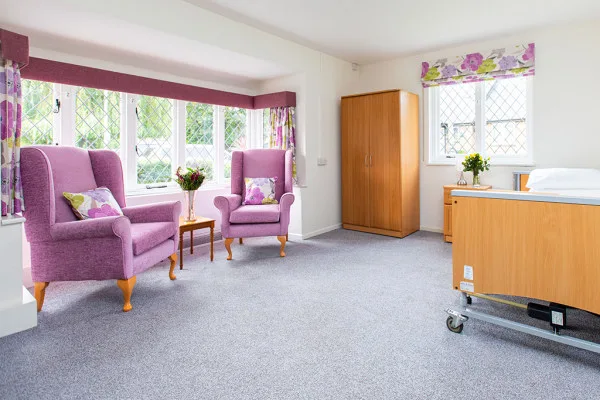
All the rooms are spacious, light and airy with en suite facilities.
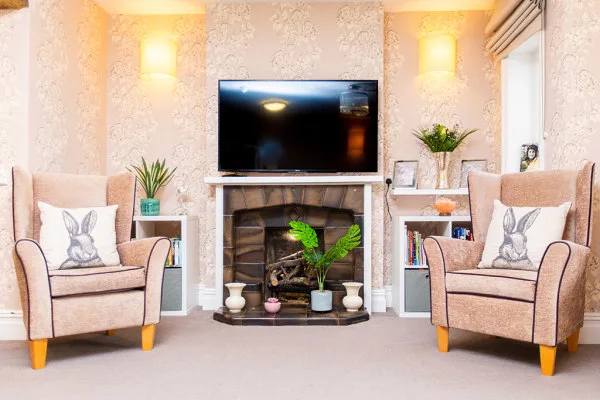
Little Bramingham Farm’s communal areas offer a cosy lounge and dining room. The garden, developed over the years by residents and staff, is a secluded relaxing space to sit and read or enjoy the company of fellow residents and...
Care Provided by Little Bramingham Farm
Primary Care Categories
- Older Person Care
- Dementia
- Mental Health Condition
- Physical Disability
- Visual / Hearing Impairment
Length of Stay
- Permanent Care
- Respite Care
Care Types Provided
- Residential Care
- Dementia Residential Care
- For a maximum of 26 Service Users
Dementia Care TypesMild Dementia
Someone living with our definition of "mild dementia" might experience some or all of the following:
- Memory problems such as misplacing items and not be able to recall recent events (however, in some forms of dementia a person's memory may be unchanged)
- Difficulties thinking through problems and planning, making decisions
- Language and communication issues such as finding it difficult to recall the appropriate word in a conversation or following a conversation
- Poor orientation, getting lost in areas previously familiar to them
- Difficulty judging distances (more falls than usual)
- Changes in their normal mood including anxiety and depression
- In certain types of dementia, personality and behaviour changes may be present alongside or instead of issues with memory or concentration.
Moderate Dementia
Someone living with our definition of "moderate dementia" might experience some or all of the following:
- Worsened memory problems. Not always recognising own family members and friends. Repeating the same questions over and over again
- Worsened language and communication issues, forgetting what they are saying mid-sentence. Not being able to understand what someone else is saying
- More frequent confusion, e.g. about the time of day or where they are, including their own home
- Apathy, depression and anxiety
- Believing things that aren't true (paranoia)
- Frequent hallucinations
- Lack of emotional control, quick to anger, fearfulness, sadness
- Loss of inhibition
- Difficulties sleeping or waking during the night and behaving as though it is daytime - loss of circadian rhythm.
Advanced Dementia
Someone living with our definition of "severe dementia" might experience some or all of the following:
- Severe memory problems. Not recognising family members and friends. Not being able to recall their own name
- Severe language and communication issues, not being able to understand what someone else is saying
- Severe confusion, e.g. about the time of day or where they are, including their own home
- Apathy, depression and anxiety
- Believing things that aren't true (paranoia)
- Frequent hallucinations
- Lack of emotional control, quick to anger, fearfulness, sadness
- Loss of inhibition
- Difficulties sleeping or waking during the night and behaving as though it is daytime - loss of circadian rhythm.
Verbally or physically aggressive behaviour
If your loved one displays this type of behaviour you may need a care home that has specially trained staff. Verbal/physical aggression is often defined:
- Consistent shouting and screaming
- Verbal abuse
- Physical abuse
How we define Dementia Care Types
Mild Dementia
Someone living with our definition of "mild dementia" might experience some or all of the following:
- Memory problems such as misplacing items and not be able to recall recent events (however, in some forms of dementia a person's memory may be unchanged)
- Difficulties thinking through problems and planning, making decisions
- Language and communication issues such as finding it difficult to recall the appropriate word in a conversation or following a conversation
- Poor orientation, getting lost in areas previously familiar to them
- Difficulty judging distances (more falls than usual)
- Changes in their normal mood including anxiety and depression
- In certain types of dementia, personality and behaviour changes may be present alongside or instead of issues with memory or concentration.
Moderate Dementia
Someone living with our definition of "moderate dementia" might experience some or all of the following:
- Worsened memory problems. Not always recognising own family members and friends. Repeating the same questions over and over again
- Worsened language and communication issues, forgetting what they are saying mid-sentence. Not being able to understand what someone else is saying
- More frequent confusion, e.g. about the time of day or where they are, including their own home
- Apathy, depression and anxiety
- Believing things that aren't true (paranoia)
- Frequent hallucinations
- Lack of emotional control, quick to anger, fearfulness, sadness
- Loss of inhibition
- Difficulties sleeping or waking during the night and behaving as though it is daytime - loss of circadian rhythm.
Advanced Dementia
Someone living with our definition of "severe dementia" might experience some or all of the following:
- Severe memory problems. Not recognising family members and friends. Not being able to recall their own name
- Severe language and communication issues, not being able to understand what someone else is saying
- Severe confusion, e.g. about the time of day or where they are, including their own home
- Apathy, depression and anxiety
- Believing things that aren't true (paranoia)
- Frequent hallucinations
- Lack of emotional control, quick to anger, fearfulness, sadness
- Loss of inhibition
- Difficulties sleeping or waking during the night and behaving as though it is daytime - loss of circadian rhythm.
Verbally or physically aggressive behaviour
If your loved one displays this type of behaviour you may need a care home that has specially trained staff. Verbal/physical aggression is often defined:
- Consistent shouting and screaming
- Verbal abuse
- Physical abuse
How we define Dementia Care Types
- Mild Dementia
- Moderate Dementia
Other Care Provided
- Stroke
- Palliative / End of Life Care
- Convalescent Care

Facilities
- Own Furniture if required
- Pet Friendly (or by arrangement)
- Close to Local shops
- Near Public Transport
- Lift
- Wheelchair Access
- Gardens
- Bar/Café
- Residents Kitchenette
- Phone Point in own room
- Television point in own room
- Residents Internet Access
Funding & Fees
Weekly Charges per Person
The price(s) shown are provided by the care home. Contact Little Bramingham Farm for full pricing details and T&Cs.
Contact Little Bramingham Farm to confirm what's included and get a personalised quote:
Funding Types Accepted
- Self-Funding (Private)
- Local Authority with Top-up
- Local Authority
- NHS Continuing Healthcare (CHC)
Good to Know
Group / Owner
- Friends of the Elderly
- Voluntary / Not for Profit Owned
Person in charge
- Emma Lawrance (Care Home Manager)
Local Authority / Social Services
Admission Information
- Ages 65+
Care Home Design/Build
- Purpose Built: No
- Last Refurbishment: 1997
- Number of floors: 2
Room Information
- Single Rooms (26)
Visiting
- No specific visiting hours.
Parking
- Car park in the front of the building
Little Bramingham Farm Reviews (64)
Little Bramingham Farm has a Review Score of 9.8 (9.802) out of 10, based on 14 reviews in the last 2 years.
Over all time Little Bramingham Farm has 64 reviews.
We are very pleased with the level of care that is provided to my nan at Little Bramingham Farm. The staff work really hard to ensure that the residents are happy, content and enjoying events with the other residents.
We have found the home to be very caring and supportive to the needs of my mother. They have looked after her from day one and she has settled well into the home. They are very open to relatives visiting and always take the time to talk to me about how my mother is doing.
The home has a really positive feeling and you can see how the residents enjoy living there. they have set a high standard in residential care.
The staff are all helpful and friendly.
I have looked at many homes and price to Little Bramingham Farm. My father was in a nursing home. The standard of care at Little Bramingham Farm is excellent. The home/staff are excellent, supportive, caring and care for the residents in a caring dignified way. They are certainly overworked as the residents needs change often for the worse, due to age, but the staff cope. They work without breaks but they are always pleasant, patient and helpful. There's always a warm greeting whatever the day or time. The only concern I would have is food, during the day there is a good wholesome meal. Breakfast is cereal or toast never bacon, eggs or a bacon sandwich. Tea time is poor, soup, toast pate, scrambled egg, yoghurt, ice cream. The meals are often cold. There is no offer of supper and although you may be told the residents can ask, residents often do not like to. Tea trolley is at 7pm after that will not be until morning.
Regulatory Rating
Care Quality Commission (CQC) Rating
Date: 31 March 2020Outstanding
- CaringOutstanding
- EffectiveGood
- ResponsiveOutstanding
- SafeGood
- Well-ledOutstanding
Inspection ratings
We rate most services according to how safe, effective, caring, responsive and well-led they are, using four levels:
- Outstanding - The service is performing exceptionally well.
- Good - The service is performing well and meeting our expectations.
- Requires Improvement - The service isn't performing as well as it should and we have told the service how it must improve.
- Inadequate - The service is performing badly and we've taken action against the person or organisation that runs it.
- Not rated - we have not yet rated this area of the service, this is normally because the assessments we have carried out have been focused on other key questions.
Bed Vacancies
Please contact us for latest vacancies.
News (23) & Events (1)
- 20 Aug 2026
At Little Bramingham Farm, our Luton-based residential care home, the residents have had a ‘tea-riffic’ time celebrating this year’s Afternoon Tea Week and also said ‘Sip, Sip Hooray’ to each...
- 18 Aug 2026
For this year’s Book Lovers Day, at Little Bramingham Farm, resident, Betty Taylor, has been sharing her love of reading books spanning from Enid Blyton’s adventures to Martina Cole’s murder...
- 18 Aug 2026
For this year’s Book Lovers Day, at Little Bramingham Farm, resident, Betty Taylor, has been sharing her love of reading books spanning from Enid Blyton’s adventures to Martina Cole’s murder...
- 04 Sep 2026Organiser: Little Bramingham Farm
Awards / Recognitions (4)
- 24 Nov 2025Recipient: Little Bramingham Farm
- 07 Dec 2023Recipient: Friends of the Elderly
- 01 Dec 2022Recipient: Friends of the Elderly
Accreditations
There are no accreditations posted yet for Little Bramingham Farm.
Meet the Team (1)

We make sure people have as much freedom, independence and choice as possible.
Our residents are encouraged to get involved and make the most of the social opportunities that are on offer. We employ activity co-ordinators who organise a stimulating timetable of activities.
Our team of staff are carefully selected to ensure they offer the best quality of care to our residents. We consider our home a happy place to work and can boast employees who have worked with us for over 20 years, ensuring continuous and familiar support for our residents.
Information on this page is displayed without responsibility for its accuracy on the part of carehome.co.uk. Please contact Little Bramingham Farm to verify any information. View our terms and conditions. Little Bramingham Farm has an Enhanced Service -more info.