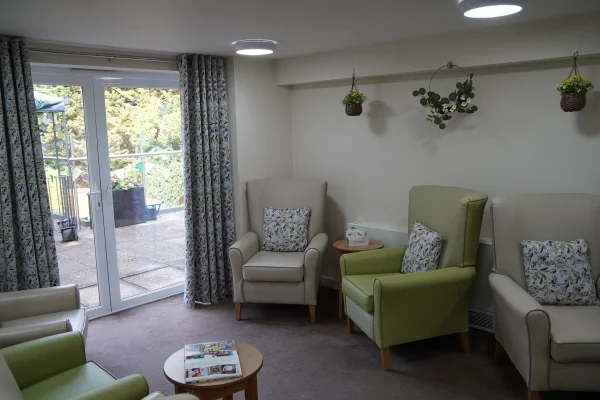
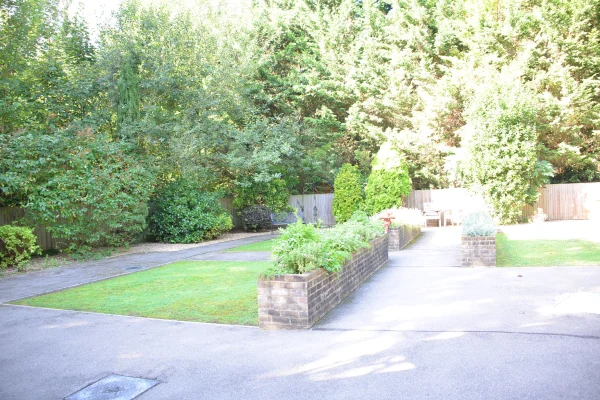
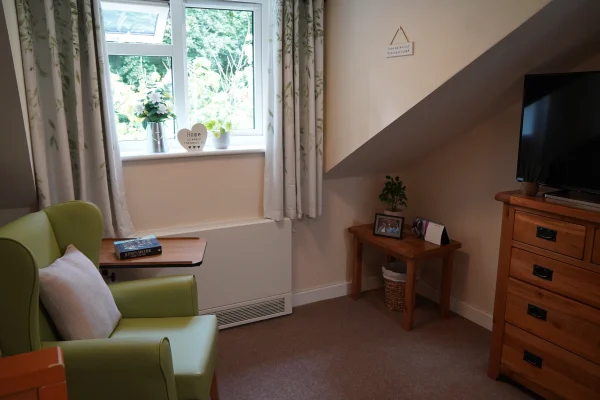
Little Oaks is a small privately owned residential care home for the elderly, located on a quiet road within a tree lined garden close to the M40 junction four for easy access.
The aim of the home is to provide the highest standards of care at all times. All the residents are treated as individuals, taking into consideration their privacy, dignity and choices at all times.
The ethos of the care team...
Little Oaks is a small privately owned residential care home for the elderly, located on a quiet road within a tree lined garden close to the M40 junction four for easy access.
The aim of the home is to provide the highest standards of care at all times. All the residents are treated as individuals, taking into consideration their privacy, dignity and choices at all times.
The ethos of the care team at Little Oaks is that "Residents do not live in their workplace, the staff are privileged to work in the residents' home".
The staff endeavour to create a warm, calm, homely and safe environment in which residents can maintain a lifestyle of their choice with the support they require.
The home has pleasant communal areas for residents and families to enjoy, these include lounges, dining rooms, a conservatory and a large terrace that overlooks the landscaped gardens.
Little Oaks has a dedicated team of staff who are attentively selected to fit in with the homes ethos and give the residents the high standard of care the home prides itself on.
The home's chef ensures the residents receive a varied and nutritious diet, with meals freshly prepared and cooked in the kitchen along with homemade cakes and biscuits to enjoy.
The activities coordinator ensures that there is a varied programme of stimulating and meaningful activities for the residents to participate in.
Loading travel time
Care Provided by Little Oaks Residential Home
Primary Care Categories
Older Person Care
Dementia
Physical Disability
Visual / Hearing Impairment
Length of Stay
Permanent Care
Respite Care
Care Types Provided
Residential Care
Dementia Residential Care
For a maximum of 30 Service Users
Dementia Care Types
Mild Dementia
Moderate Dementia
Other Care Provided
Stroke
Convalescent Care
Facilities
Own Furniture if required
Close to Local shops
Near Public Transport
Lift
Wheelchair Access
Gardens
Residents Kitchenette
Phone Point in own room
Television point in own room
Residents Internet Access
Funding & Fees
Weekly Charges per Person
Type of care
Permanent
Respite
Residential Care
£1,525 - £1,700
£1,675 - £1,850
Residential Dementia Care
£1,600 - £1,750
£1,750 - £1,850
Contact Little Oaks Residential Home to confirm what's included and get a personalised quote:
The weekly fees are dependent on a persons care requirements which will be discussed during the pre-admission assessment and includes accommodation, housekeeping, laundry, support with personal care and medication, meals, snacks and beverages, in house activities and access to the in house physiotherapist.
Hair dressers, newspapers and chiropodist are extra along with some external outings.
The price(s) shown are provided by the care home. Contact Little Oaks Residential Home for full pricing details and T&Cs.
Funding Types Accepted
Self-Funding (Private)
Local Authority with Top-up
Local Authority
NHS Continuing Healthcare (CHC)
Tours
Onsite Tours of Little Oaks Residential HomeUsually available on Mon, Tue, Wed, Thu, Fri, Sat(between 10:00 AM to 6:00 PM)You will be shown around the home by the manager of a senior member of the team, then you will have the opportunity to have a chat and ask any questions you may have.
Remote Tours of Little Oaks Residential HomeUsually available on Mon, Tue, Wed, Thu, Fri(between 10:00 AM to 6:00 PM)You will be shown around the home by the manager of a senior member of the team, then you will have the opportunity to have a chat and ask any questions you may have.
Little Oaks Residential Home has a Review Score of 9.7 (9.721) out of 10, based on 15 reviews in the last 2 years. Over all time Little Oaks Residential Home has 61 reviews.
Reviewer Connection to Little Oaks Residential Home
Loading...
Showing 61 reviews matching selected criteria
Review from Angela (Daughter of Resident) published on 13 October 2015 Submitted via Website•
Overall Experience
Dad went to Little Oaks for respite care for 2 weeks but after a further month’s ‘trial’ agreed to stay as a resident. He had become somewhat isolated living with me and just slept for much of the day. He was unable to move around on his own and was very limited in what he could do. It was lovely...
Dad went to Little Oaks for respite care for 2 weeks but after a further month’s ‘trial’ agreed to stay as a resident. He had become somewhat isolated living with me and just slept for much of the day. He was unable to move around on his own and was very limited in what he could do. It was lovely to see his ‘sparkle’ return as he enjoyed the banter with staff and residents alike. His little dog was able to visit and did so most days which was lovely for him. The highlight of his summer was when residents were taken to Windsor Great Park for a splendid picnic to watch the Queen’s procession heading for the Ascot Races. A memorable day indeed. He was also taken to Henley with other residents for afternoon tea on a boat on the river Thames and at the end of the summer there was a tea party for all.
Little Oaks is a ‘home from home’ kept to a high standard of cleanliness and the carers are very caring. Sadly Dad’s poor health was deteriorating but the care and support given in his final days was second to none of which I shall always be grateful.
Facilities
Care / Support
Cleanliness
Treated with Dignity
Food & Drink
Staff
Activities
Management
Safety / Security
Rooms
Value for Money
Regulatory Rating
Care Quality Commission (CQC) Rating
Date: 02 June 2026
Overall Good
CaringOutstanding
EffectiveGood
ResponsiveGood
SafeGood
Well-ledGood
Inspection ratings
We rate most services according to how safe, effective, caring, responsive and well-led they are, using four levels:
Outstanding - The service is performing exceptionally well.
Good - The service is performing well and meeting our expectations.
Requires Improvement - The service isn't performing as well as it should and we have told the service how it must improve.
Inadequate - The service is performing badly and we've taken action against the person or organisation that runs it.
Not rated - we have not yet rated this area of the service, this is normally because the assessments we have carried out have been focused on other key questions.
Care Quality Commission is responsible for the registration and inspection of social care services in England.View Latest Report
Bed Vacancies
Please contact us for latest vacancies.
News (0) & Events (0)
News
There are no news items for Little Oaks Residential Home.
Upcoming Events
There are no upcoming events for Little Oaks Residential Home.
There are no accreditations posted yet for Little Oaks Residential Home.
Meet the Team (2)
Teresa PattersonJob Title Home ManagerJoined 2022
I am Teresa, the home manager.
I have been working in care since 2004. I started off as a care assistant and then progressed through various senior...
I am Teresa, the home manager.
I have been working in care since 2004. I started off as a care assistant and then progressed through various senior and team leader roles to management in 2016, when I moved up to a deputy role and completed my level 5 in Health and Social Care. I joined Little Oaks as the registered manager in 2022
No matter what role I hold, it's the care I am passionate about, and I live by the ethos of "Our residents do not live in our workplace; we are privileged to work in their home"
I feel very fortunate to be doing a job that I enjoy so much here at Little Oaks. I am supported by my deputy, Brooke and a dedicated care team who share the values, vision and ethos of the home and who give our residents the high standard of care we pride ourselves on.
Brooke NelsonJob Title Deputy ManagerJoined 2022
I am Brooke, the home's Deputy Manager.
I started working at Little Oaks in 2022 as an Administrator and progressed into my Deputy Manager role in...
I am Brooke, the home's Deputy Manager.
I started working at Little Oaks in 2022 as an Administrator and progressed into my Deputy Manager role in 2024.
I have completed my Level 5 in Health and Social Care, and I support Teresa in the day-to-day running of the home.
At Little Oaks, our residents are at the heart of everything we do. I feel privileged to be a part of the team and work alongside such kind, committed, and compassionate colleagues.
Information on this page is displayed without responsibility for its accuracy on the part of carehome.co.uk. Please contact Little Oaks Residential Home to verify any information. View our terms and conditions. Little Oaks Residential Home has an Enhanced Service -what an Enhanced Service includes.