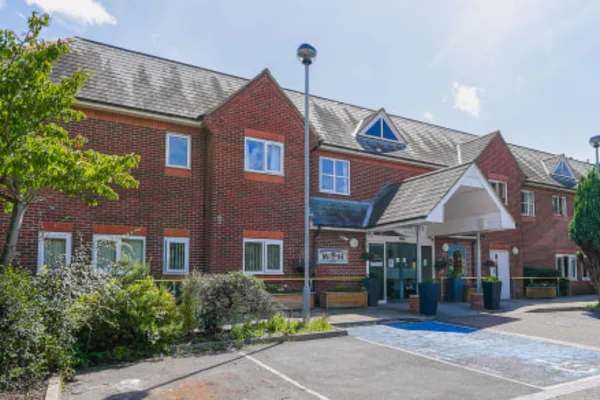
Wavertree House is a warm and friendly residential and nursing home supporting the elderly in a supportive environment geared to help you retain your independence and have a specalism in supporting people with sight problems. Independence is actively encouraged and individual needs and preferences are respected. A range of care is available, including long-term, short-term and respite care, nursing care, palliative care and care plans are individually tailored to each...
Wavertree House is a warm and friendly residential and nursing home supporting the elderly in a supportive environment geared to help you retain your independence and have a specalism in supporting people with sight problems. Independence is actively encouraged and individual needs and preferences are respected. A range of care is available, including long-term, short-term and respite care, nursing care, palliative care and care plans are individually tailored to each resident to ensure their needs are fully met.
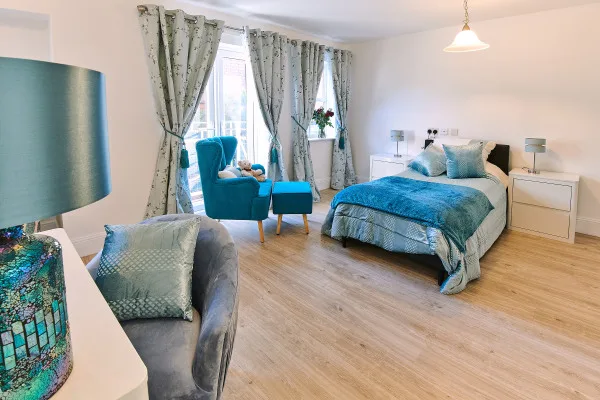
All rooms at Wavertree House have their own kitchen area or sitting room and en-suite facilities with a walk in shower, and each room has a 24-hour call system for peace of mind. Residents are encouraged to personalise their rooms with their own furniture and possessions to help them feel at home.
The home has a number of social and communal areas, including two sitting rooms, a library and a craft room. There is also a secure garden and a courtyard where residents can relax or socialise with friends. A range of social activities are offered, including pet therapy, crafts, visiting entertainers and a full range of activity 7 days a week and throughout the day to meet everyone's preferences.
Residents at Wavertree House receive a fully catered service of tasty and nutritious meals which can be adapted according to individual dietary requirements and preferences.
Located in the heart of Hove, East Sussex, the care home is only a 10-minute drive from Brighton beach, and a short walk to cafes and restaurants.
Loading travel time
Care Provided by Wavertree House
Primary Care Categories
Older Person Care
Dementia
Physical Disability
Visual / Hearing Impairment
Length of Stay
Permanent Care
Respite Care
Care Types Provided
Residential Care
Nursing Care
Dementia Residential Care
Dementia Nursing Care
For a maximum of 41 Service Users
Dementia Care Types
Mild Dementia
Other Care Provided
Parkinson's Disease
Stroke
Palliative / End of Life Care
COPD/Pulmonary Disease
Bariatric Care/Obesity
Convalescent Care
Facilities
Own Furniture if required
Pet Friendly (or by arrangement)
Smoking not permitted
Close to Local shops
Near Public Transport
Minibus or other transport
Lift
Stairlift
Wheelchair Access
Gardens
Residents Kitchenette
Phone Point in own room
Television point in own room
Residents Internet Access
Funding & Fees
Weekly Charges per Person
Type of care
Permanent
Respite
Residential Care
£1,750 - £1,900
£1,750 - £1,900
Residential Dementia Care
£1,750 - £1,900
£1,750 - £1,900
Nursing Care
£1,900 - £2,100
£1,900 - £2,200
Nursing Dementia Care
£1,950 - £2,200
£1,900 - £2,200
Contact Wavertree House to confirm what's included and get a personalised quote:
Fees are dependent on room size and location
The price(s) shown are provided by the care home. Contact Wavertree House for full pricing details and T&Cs.
Funding Types Accepted
Self-Funding (Private)
Local Authority with Top-up
Local Authority
NHS Continuing Healthcare (CHC)
Support you may be entitled to
If you choose a care home based in England, you may be eligible for NHS Funded Nursing Care (FNC), which helps cover the cost of nursing. This is worth £267.68 per week and is usually paid directly to the care home.
Review from B S (Resident / Service User) published on 26 July 2021 Submitted via Postal Card•
Overall Experience
The staff are friendly and the environment clean.
The staff are friendly and the environment clean.
Facilities
Care / Support
Cleanliness
Treated with Dignity
Food & Drink
Staff
Activities
No Rating
Management
Safety / Security
Rooms
Value for Money
Review from Fiona M (Daughter of Resident) published on 11 January 2021 Submitted via Website•
Overall Experience
My mum was a resident at Wavertree House from February 2020 until she passed away in December. I found arranging for a parent to go into a care setting for the first time a big responsibility and I am certain it was a daunting prospect for her at the age of 97. When I visited Wavertree to look...
My mum was a resident at Wavertree House from February 2020 until she passed away in December. I found arranging for a parent to go into a care setting for the first time a big responsibility and I am certain it was a daunting prospect for her at the age of 97. When I visited Wavertree to look round and talk to the team, I felt straight away Mum would be properly cared for in a comfortable environment and so it proved. Mum said frequently how well she was looked after and enjoyed the various activities the team arranged. Although the restrictions in place due to COVID19 meant things had to be done differently they took great pains to enable the family to keep in contact. I am glad to say I was able to be with Mum when the time came and I am grateful for that as I know she was aware I was there. The team always treated her with kindness, consideration and affection so my view of Wavertree is a very positive one.
↩Reply from Carole Porter, Manager at Wavertree House
Thank you so much for your review, it was a pleasure to look after Mum, and to meet yourself and your brother. I hope to welcome you all back in the summer if all is well in the world of Covid for a BBQ.
Facilities
Care / Support
Cleanliness
Treated with Dignity
Food & Drink
Staff
Activities
Management
Safety / Security
Rooms
Value for Money
Review from Natasha P (Granddaughter of Resident) published on 22 December 2020 Submitted via Website•
Overall Experience
Wavertree was recommended by a paramedic after my Nan had a fall. When paramedics recommend a home that can only be a good sign. From being shown around the home I instantly had a good feeling. I think what sets this home above others is the staff. The care they give, often above and beyond what is...
Wavertree was recommended by a paramedic after my Nan had a fall. When paramedics recommend a home that can only be a good sign. From being shown around the home I instantly had a good feeling. I think what sets this home above others is the staff. The care they give, often above and beyond what is expected of them, is wonderful. I can’t remember seeing agency staff. The staff were always welcoming and knew my Nan so well. During the lockdown, they made sure she still got her hair done by colouring it themselves. They sang with her, did her makeup and encouraged her to join in with activities. She had a lovely room on the ground floor which they helped make feel like home. In fact, my Nan thought she’d got herself a nice new flat. Sadly my Nan passed away in the summer but the end of life care we witnessed and experienced was second to none. She was treated with the utmost dignity up until the very end and beyond. I miss my Wavertree family and cannot recommend this home highly enough.
↩Reply from Carole Porter, Manager at Wavertree House
Thank you so much for such a lovely review; it was a pleasure to be part of your journey, we miss nan too. I hope when things calm down you will be able to visit us.
Facilities
Care / Support
Cleanliness
Treated with Dignity
Food & Drink
Staff
Activities
Management
Safety / Security
Rooms
Value for Money
Regulatory Rating
Care Quality Commission (CQC) Rating
Date: 16 June 2022
Overall Good
CaringGood
EffectiveGood
ResponsiveGood
SafeGood
Well-ledGood
Inspection ratings
We rate most services according to how safe, effective, caring, responsive and well-led they are, using four levels:
Outstanding - The service is performing exceptionally well.
Good - The service is performing well and meeting our expectations.
Requires Improvement - The service isn't performing as well as it should and we have told the service how it must improve.
Inadequate - The service is performing badly and we've taken action against the person or organisation that runs it.
Not rated - we have not yet rated this area of the service, this is normally because the assessments we have carried out have been focused on other key questions.
Care Quality Commission is responsible for the registration and inspection of social care services in England.View Latest Report
There are no accreditations posted yet for Wavertree House.
Meet the Team (1)
Jennie WhitfieldJob Title Manager
The team a Wavertree House are dedicated to providing care and support to all of our residents. They are well-trained and inducted into the care...
The team a Wavertree House are dedicated to providing care and support to all of our residents. They are well-trained and inducted into the care sector. We pride ourselves on the high standards of support we offer and this is reflected in the independent and statutory reports of inspections to the service.
Information on this page is displayed without responsibility for its accuracy on the part of carehome.co.uk. Please contact Wavertree House to verify any information. View our terms and conditions. Wavertree House has an Enhanced Service -what an Enhanced Service includes.