Staff are caring, patient, kind, they tick all the boxes!S C(Daughter of Resident/Service User)
I am extremely happy with the care my mother receives at Birch AbbeyRita J(Daughter of Resident/Service User)
Staff are caring, patient, kind, they tick all the boxes!S C(Daughter of Resident/Service User)
I am extremely happy with the care my mother receives at Birch AbbeyRita J(Daughter of Resident/Service User)
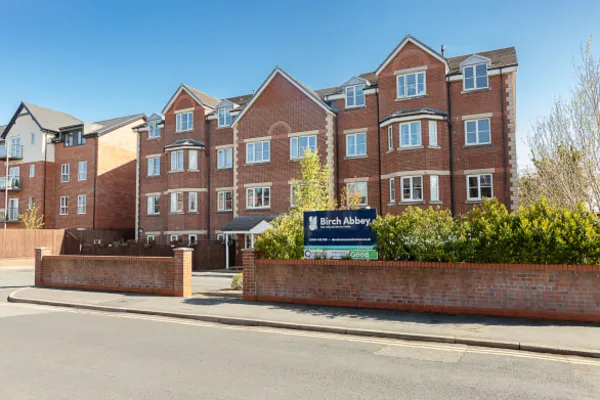
Birch Abbey is a warm and inviting care home that is part of the Dovehaven family, providing exceptional care in a comfortable and nurturing environment.
Situated in the seaside town of Southport, Birch Abbey offers a range of tailored care services, including residential, dementia, and respite care. The dedicated team ensures that every resident feels valued, supported, and part of the Dovehaven community.
The home features spacious and beautifully designed living areas,...
Birch Abbey is a warm and inviting care home that is part of the Dovehaven family, providing exceptional care in a comfortable and nurturing environment.
Situated in the seaside town of Southport, Birch Abbey offers a range of tailored care services, including residential, dementia, and respite care. The dedicated team ensures that every resident feels valued, supported, and part of the Dovehaven community.
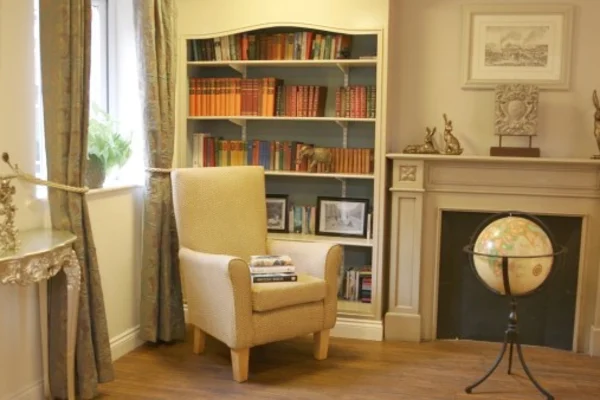
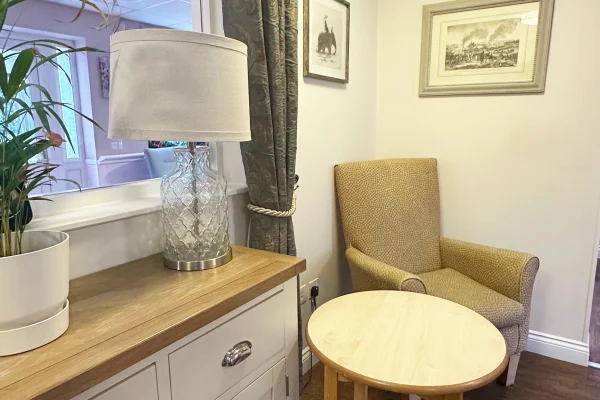
The home features spacious and beautifully designed living areas, comfortable bedrooms, and outdoor spaces where residents can relax, socialise, and enjoy their surroundings. With a variety of engaging activities and freshly prepared meals, Birch Abbey ensures that each day is filled with purpose and enjoyment.
Recognising the importance of family and community, Birch Abbey encourages families to be actively involved in their loved ones’ care and to enjoy regular visits, fostering a true sense of belonging.
Birch Abbey is a special place to call home. To learn more or to arrange a visit, contact the team today.
Loading travel time
Care Provided by Birch Abbey
Primary Care Categories
Older Person Care
Dementia
Mental Health Condition
Physical Disability
Length of Stay
Permanent Care
Respite Care
Care Types Provided
Nursing Care
Dementia Residential Care
Dementia Nursing Care
For a maximum of 60 Service Users
Dementia Care Types
Mild Dementia
Moderate Dementia
Advanced/Complex Dementia
Other Care Provided
Parkinson's Disease
Stroke
Palliative / End of Life Care
Convalescent Care
Day Care
Facilities
Own Furniture if required
Smoking not permitted
Close to Local shops
Near Public Transport
Lift
Wheelchair Access
Gardens
Bar/Café
Residents Kitchenette
Phone Point in own room
Television point in own room
Residents Internet Access
Funding & Fees
Weekly Charges per Person
Type of care
Permanent
Respite
Residential Dementia Care
From £1,200
From £1,200
Nursing Care
From £1,200
From £1,200
Nursing Dementia Care
From £1,200
From £1,200
Contact Birch Abbey to confirm what's included and get a personalised quote:
Please note that fees are starting from prices. The team at Birch Abbey will be happy to provide full guidance on individual care needs, room choice, and funding options, ensuring families receive clear and tailored information to support their decision-making.
The price(s) shown are provided by the care home. Contact Birch Abbey for full pricing details and T&Cs.
Funding Types Accepted
Self-Funding (Private)
Local Authority with Top-up
Local Authority
NHS Continuing Healthcare (CHC)
Support you may be entitled to
If you choose a care home based in England, you may be eligible for NHS Funded Nursing Care (FNC), which helps cover the cost of nursing. This is worth £267.68 per week and is usually paid directly to the care home.
Tours
Onsite Tours of Birch AbbeyUsually available on Mon, Tue, Wed, Thu, Fri, Sat, Sun(between 10:00 AM to 6:00 PM)Our 23 Dovehaven Care Homes welcome onsite tours. Please arrive 10 minutes prior to your scheduled appointment time.
Remote Tours of Birch AbbeyUsually available on Mon, Tue, Wed, Thu, Fri, Sat, Sun(between 11:00 AM to 5:00 PM)For remote tours, Dovehaven Care Homes offer this option by prior arrangement. Please contact the home directly to schedule a convenient time.
At Dovehaven, families and friends are always welcome, and the team actively encourage regular visits as part of their person-centred approach to care. The team works closely with loved ones to ensure they remain involved and informed, supporting strong and meaningful relationships with residents.
Parking
Birch Abbey has a small private car park, however parking is freely available on the residential road outside of the home.
Review from Rita J (Daughter of Resident) published on 20 August 2020 Submitted via Postal Card•
Overall Experience
I am extremely happy with the care my mother receives at Birch Abbey. The caregivers are thoughtful, kind and supportive with my mum and our family. When mum came to Birch Abbey, she didn't want to be in a care home, so she was angry and argumentative with the staff. Now, mum is happy, calm and...
I am extremely happy with the care my mother receives at Birch Abbey. The caregivers are thoughtful, kind and supportive with my mum and our family. When mum came to Birch Abbey, she didn't want to be in a care home, so she was angry and argumentative with the staff. Now, mum is happy, calm and loving towards the staff and us. I would like to thank all the staff at Birch Abbey.
↩Reply from Claire Burgess, Home Manager at Birch Abbey
Thank you for your glowing review, we really appreciate your kind words. Myself and the team at Birch Abbey cherish our residents and strive to make our home a happy environment.
Facilities
Care / Support
Cleanliness
Treated with Dignity
Food & Drink
Staff
Activities
Management
Safety / Security
Rooms
Value for Money
Review from T H (Son of Resident) published on 18 August 2020 Submitted via Postal Card•
Overall Experience
I am extremely satisfied with the overall decision I made to place my 90-year-old mother at Birch Abbey. My number 1 priority was safety and that requisite has exceeded my expectations. The staff are excellent and we have a good relationship with them.
In every organisation, things could be...
I am extremely satisfied with the overall decision I made to place my 90-year-old mother at Birch Abbey. My number 1 priority was safety and that requisite has exceeded my expectations. The staff are excellent and we have a good relationship with them. In every organisation, things could be better and I would say that activities need to improve - having said that, a new lady has been appointed and I've met her on several occasions and to say that she is excellent would be an understatement. I can't wait to see what she puts in place after lockdown.
The manager is excellent. A great decision we made.
↩Reply from Claire Burgess, Home Manager at Birch Abbey
Thank you for taking the time to write such a wonderful review, myself and the team at Birch Abbey really appreciate your kind words.
Facilities
Care / Support
Cleanliness
Treated with Dignity
Food & Drink
Staff
Activities
Management
Safety / Security
Rooms
Value for Money
Review from Karen O (Daughter of Resident) published on 24 July 2020 Submitted via Website•
Overall Experience
I wish all care homes were to the standard of Birch Abbey. Not only are staff hardworking, professional and kind, they genuinely care and respect the residents and treat them as individuals. The staff seem happy to be there and have proper relationships with people in their care and their...
I wish all care homes were to the standard of Birch Abbey. Not only are staff hardworking, professional and kind, they genuinely care and respect the residents and treat them as individuals. The staff seem happy to be there and have proper relationships with people in their care and their relatives. I have become very fond of many of them over the past year. The actual building/cafe/rooms are clean and cheerful and well looked after and very hygienic. Not remotely depressing. My mum's clothes always look clean on.
This standard of care is achieved and maintained by their astute, dedicated, compassionate manager who is always on the ball.
↩Reply from Claire Burgess, Home Manager at Birch Abbey
Thank you for taking the time to write such a wonderful review, myself and the team at Birch Abbey really appreciate your kind words.
Facilities
Care / Support
Cleanliness
Treated with Dignity
Food & Drink
Staff
Activities
Management
Safety / Security
Rooms
Value for Money
Review from Catherine (Daughter of Resident) published on 9 July 2020 Submitted via Website•
Overall Experience
I'd always been wary of having my dad in a care home, but the staff at Birch Abbey were incredible. My dad was extremely well looked after, and it was clear that all the staff there genuinely cares about the residents. Towards the end, when dad spent time in hospital, it was a relief when they sent...
I'd always been wary of having my dad in a care home, but the staff at Birch Abbey were incredible. My dad was extremely well looked after, and it was clear that all the staff there genuinely cares about the residents. Towards the end, when dad spent time in hospital, it was a relief when they sent him back to the care home because we knew the care he would receive there far exceeded the care he was receiving in hospital. Birch Abbey became a home from home for the whole family.
↩Reply from Claire Burgess, Home Manager at Birch Abbey
Thank you for your kind words, we really appreciate your positive feedback.
Facilities
Care / Support
Cleanliness
Treated with Dignity
Food & Drink
Staff
Activities
Management
Safety / Security
Rooms
Value for Money
Review from Raimonda S (Great-granddaughter of Resident) published on 9 July 2020 Submitted via Website•
Overall Experience
The care and effort provided by the staff of Birch Abbey is second to none.
The effort and time they put in to all the residents is beautiful to see and makes me confident the right decision was made for the care of Nana.
The care and effort provided by the staff of Birch Abbey is second to none.
The effort and time they put in to all the residents is beautiful to see and makes me confident the right decision was made for the care of Nana.
↩Reply from Claire Burgess, Home Manager at Birch Abbey
Thank you for your kind words, we really appreciate your positive feedback.
Facilities
Care / Support
Cleanliness
Treated with Dignity
Food & Drink
Staff
Activities
Management
Safety / Security
Rooms
Value for Money
No Rating
Review from Suzanne (Daughter of Resident) published on 11 June 2020 Submitted via Website•
Overall Experience
Thank you to all the staff at Birch Abbey for looking after our mum. We miss our mum lots due to not being able to see her because of the pandemic but we are always assured she is well looked after. It must be very difficult for the staff, as it is a worrying time for everyone and they have their...
Thank you to all the staff at Birch Abbey for looking after our mum. We miss our mum lots due to not being able to see her because of the pandemic but we are always assured she is well looked after. It must be very difficult for the staff, as it is a worrying time for everyone and they have their own worries.
Thank you to everyone and stay safe.
↩Reply from Claire Burgess, Home Manager at Birch Abbey
Thank you for your very kind comments, we at Birch Abbey really appreciate your feedback.
Facilities
Care / Support
Cleanliness
Treated with Dignity
Food & Drink
Staff
Activities
Management
Safety / Security
Rooms
Value for Money
No Rating
Review from Patricia A (Daughter of Resident) published on 9 June 2020 Submitted via Website•
Overall Experience
I cannot recommend Birch Abbey enough. Mum has been a resident for the past 12 months and the care she has received has been outstanding. Staff have shown compassion to a lady that had previously failed in another setting. As a family, we had lost hope that there existed a home that would be able...
I cannot recommend Birch Abbey enough. Mum has been a resident for the past 12 months and the care she has received has been outstanding. Staff have shown compassion to a lady that had previously failed in another setting. As a family, we had lost hope that there existed a home that would be able to meet our Mum's needs, how wrong we were. Mum has been able to blossom at Birch Abbey because of the care and attention she has received. Here are a few of the many reasons she is now doing so well: 1) The physical environment is outstanding. Mum's room is beautiful and spotlessly clean. Outdoor space is immaculate, with a garden with chickens. 2) Food is excellent and plentiful. Mum put on the weight she had previously lost and quickly had colour in her cheeks. 3) We are assured that her medical needs are always met by the fantastic nurses within the home. 4) Staff throughout are consistent and familiar to Mum. They never walk past without saying “Hello”.
You’re all amazing, thanks to all the team.
↩Reply from Claire Burgess, Home Manager at Birch Abbey
Thank you for your kind words, we at Birch Abbey really appreciate it.
Facilities
Care / Support
Cleanliness
Treated with Dignity
Food & Drink
Staff
Activities
Management
Safety / Security
Rooms
Value for Money
Review from Marie G (Daughter of Resident) published on 9 June 2020 Submitted via Website•
Overall Experience
Prior to living here, our Mum lived at a couple of other homes. Therefore, we have a good understanding of what a good care home looks like. Our Mum has complex needs, which the staff at the home have always done their utmost to meet. The staff are approachable and friendly, nothing is too much...
Prior to living here, our Mum lived at a couple of other homes. Therefore, we have a good understanding of what a good care home looks like. Our Mum has complex needs, which the staff at the home have always done their utmost to meet. The staff are approachable and friendly, nothing is too much trouble, I never feel uncomfortable to raise a concern. I feel safe in the knowledge that our Mum is very well cared for by the hard working staff and most importantly, safe, this gives us peace of mind. As a family member I feel that we are always made to feel welcome.
↩Reply from Claire Burgess, Home Manager at Birch Abbey
Thank You for your kind words, we at Birch Abbey really appreciate it.
Facilities
Care / Support
Cleanliness
Treated with Dignity
Food & Drink
Staff
Activities
No Rating
Management
Safety / Security
Rooms
Value for Money
No Rating
Review from Rebecca A (Daughter of Resident) published on 12 May 2020 Submitted via Website•
Overall Experience
My dad was cared for at Birch Abbey for the final 14 months of his life. He was very happy here. The staff knew him well and were very kind to him, and knew how to make him laugh. They took care to arrange activities that he would enjoy and they became an extended family for my mum. We cannot thank...
My dad was cared for at Birch Abbey for the final 14 months of his life. He was very happy here. The staff knew him well and were very kind to him, and knew how to make him laugh. They took care to arrange activities that he would enjoy and they became an extended family for my mum. We cannot thank them enough for the kindness and compassion that was shown to him. Very highly recommended.
↩Reply from Maxine Farnworth, Estates Manager at Birch Abbey
Thank you for your kind words, it means so much to us. We cherished your father and all the special moments we had together.
Facilities
Care / Support
Cleanliness
Treated with Dignity
Food & Drink
Staff
Activities
Management
Safety / Security
Rooms
Value for Money
Review from Patricia O (Sister of Resident) published on 27 April 2020 Submitted via Website•
Overall Experience
Our sister-in-law has been a resident at Birch Abbey for ten months. She has complex medical needs and requires 24-hour nursing. Birch Abbey care for my sister-in-law and her medical needs with the highest standard of care. The manager is approachable and will always engage in a talk with us to put...
Our sister-in-law has been a resident at Birch Abbey for ten months. She has complex medical needs and requires 24-hour nursing. Birch Abbey care for my sister-in-law and her medical needs with the highest standard of care. The manager is approachable and will always engage in a talk with us to put us at our ease. The Assistant Manager is also a very caring and approachable member of staff. My sister-in-law is very settled and happy at Birch Abbey.
↩Reply from Claire Burgess, Home Manager at Birch Abbey
Thank you so much for your kind words, we really appreciate it.
Facilities
Care / Support
Cleanliness
Treated with Dignity
Food & Drink
Staff
Activities
Management
Safety / Security
Rooms
Value for Money
Review from Tom B (Grandson of Resident) published on 21 April 2020 Submitted via Website•
Overall Experience
The care provided for my grandfather by all the staff was brilliant, catering to all his needs and requirements, and in these times making sure he was treated with the utmost dignity and respect. They have and always will have my respect.
Thank you all.
The care provided for my grandfather by all the staff was brilliant, catering to all his needs and requirements, and in these times making sure he was treated with the utmost dignity and respect. They have and always will have my respect.
Thank you all.
↩Reply from Claire Burgess, Home Manager at Birch Abbey
Thank you for your lovely review, we really appreciate your kind words.
Facilities
Care / Support
Cleanliness
Treated with Dignity
Food & Drink
Staff
Activities
Management
Safety / Security
Rooms
Value for Money
No Rating
Review from Chris B (Son of Resident) published on 19 March 2020 Submitted via Website•
Overall Experience
My dad has lived here for 14 months and his care has been second to none, after significant issues at home.
My dad has lived here for 14 months and his care has been second to none, after significant issues at home.
↩Reply from Claire Burgess, Home Manager at Birch Abbey
Thank you for such a lovely review, we really appreciate your kind words.
Facilities
Care / Support
Cleanliness
Treated with Dignity
Food & Drink
Staff
Activities
Management
Safety / Security
Rooms
Value for Money
Review from B B (Daughter-in-law of Resident) published on 28 February 2020 Submitted via Website•
Overall Experience
My mother-in-law has lived at Birch Abbey for over three years now, and in that time, has had a number of serious health conditions. The staff have always been fantastic with her and kept us informed of all appointments/incidents that have happened in relation to her health.
My mother-in-law has lived at Birch Abbey for over three years now, and in that time, has had a number of serious health conditions. The staff have always been fantastic with her and kept us informed of all appointments/incidents that have happened in relation to her health.
↩Reply from Maxine Farnworth, Estates Manager at Birch Abbey
Thank you for your kind words, we treasure your positive feedback.
Facilities
Care / Support
Cleanliness
Treated with Dignity
Food & Drink
Staff
Activities
Management
Safety / Security
Rooms
Value for Money
Regulatory Rating
Care Quality Commission (CQC) Rating
Date: 17 May 2024
Overall Requires improvement
CaringRequires improvement
EffectiveRequires improvement
ResponsiveGood
SafeRequires improvement
Well-ledRequires improvement
Inspection ratings
We rate most services according to how safe, effective, caring, responsive and well-led they are, using four levels:
Outstanding - The service is performing exceptionally well.
Good - The service is performing well and meeting our expectations.
Requires Improvement - The service isn't performing as well as it should and we have told the service how it must improve.
Inadequate - The service is performing badly and we've taken action against the person or organisation that runs it.
Not rated - we have not yet rated this area of the service, this is normally because the assessments we have carried out have been focused on other key questions.
Care Quality Commission is responsible for the registration and inspection of social care services in England.View Latest Report
There are no accreditations posted yet for Birch Abbey.
Meet the Team (1)
Rachel SmalleyJob Title Home Manager
Rachel Smalley leads the team at Birch Abbey, ensuring our commitment to providing the very best dementia care Southport has to offer. For Rachel and...
Rachel Smalley leads the team at Birch Abbey, ensuring our commitment to providing the very best dementia care Southport has to offer. For Rachel and the team, the health, well-being, and happiness of our residents is always the number one priority.
"What makes Birch Abbey special is our genuine understanding of dementia and how we can create an environment where people feel safe, valued, and truly at home. Every person has their own story, and it's our privilege to honour that whilst providing the expert care they need."
Rachel ensures that our purpose-built design and person-centred approach work together to create the best possible life for every resident.
Information on this page is displayed without responsibility for its accuracy on the part of carehome.co.uk. Please contact Birch Abbey to verify any information. View our terms and conditions. Birch Abbey has an Enhanced Service -what an Enhanced Service includes.