Loading travel time
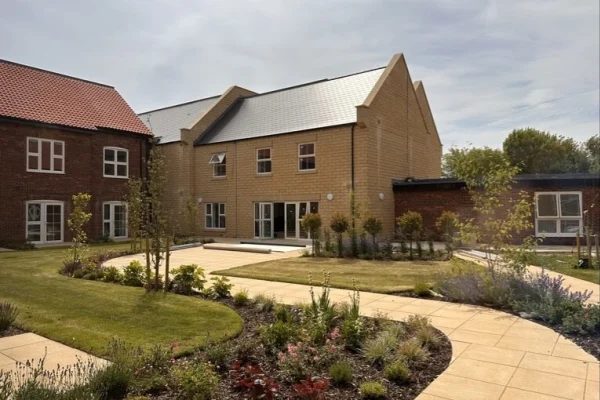

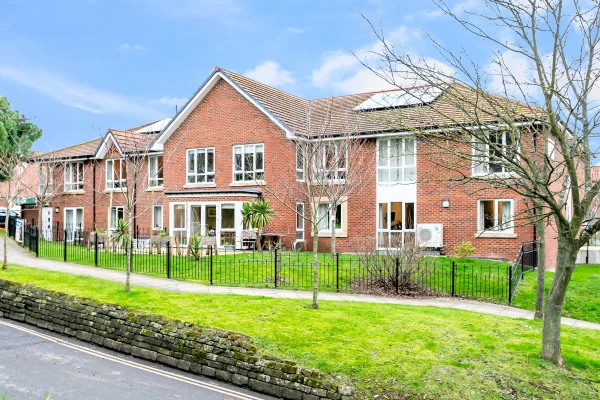

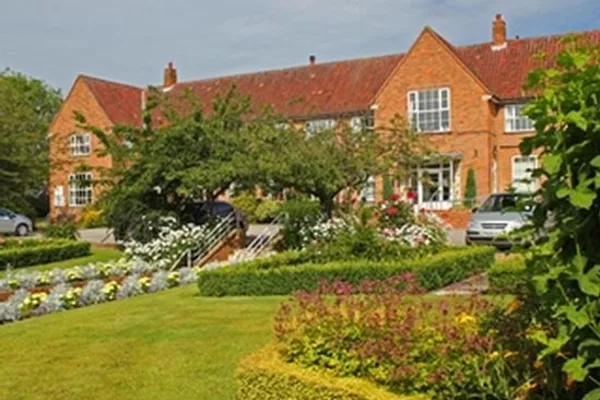
Care Provided by Combe Hay
Primary Care Categories
- Older Person Care
- Dementia
- Physical Disability
- Visual / Hearing Impairment
Length of Stay
- Permanent Care
- Respite Care
Care Types Provided
- Residential Care
- Dementia Residential Care
- For a maximum of 60 Service Users
Dementia Care TypesMild Dementia
Someone living with our definition of "mild dementia" might experience some or all of the following:
- Memory problems such as misplacing items and not be able to recall recent events (however, in some forms of dementia a person's memory may be unchanged)
- Difficulties thinking through problems and planning, making decisions
- Language and communication issues such as finding it difficult to recall the appropriate word in a conversation or following a conversation
- Poor orientation, getting lost in areas previously familiar to them
- Difficulty judging distances (more falls than usual)
- Changes in their normal mood including anxiety and depression
- In certain types of dementia, personality and behaviour changes may be present alongside or instead of issues with memory or concentration.
Moderate Dementia
Someone living with our definition of "moderate dementia" might experience some or all of the following:
- Worsened memory problems. Not always recognising own family members and friends. Repeating the same questions over and over again
- Worsened language and communication issues, forgetting what they are saying mid-sentence. Not being able to understand what someone else is saying
- More frequent confusion, e.g. about the time of day or where they are, including their own home
- Apathy, depression and anxiety
- Believing things that aren't true (paranoia)
- Frequent hallucinations
- Lack of emotional control, quick to anger, fearfulness, sadness
- Loss of inhibition
- Difficulties sleeping or waking during the night and behaving as though it is daytime - loss of circadian rhythm.
Advanced Dementia
Someone living with our definition of "severe dementia" might experience some or all of the following:
- Severe memory problems. Not recognising family members and friends. Not being able to recall their own name
- Severe language and communication issues, not being able to understand what someone else is saying
- Severe confusion, e.g. about the time of day or where they are, including their own home
- Apathy, depression and anxiety
- Believing things that aren't true (paranoia)
- Frequent hallucinations
- Lack of emotional control, quick to anger, fearfulness, sadness
- Loss of inhibition
- Difficulties sleeping or waking during the night and behaving as though it is daytime - loss of circadian rhythm.
Verbally or physically aggressive behaviour
If your loved one displays this type of behaviour you may need a care home that has specially trained staff. Verbal/physical aggression is often defined:
- Consistent shouting and screaming
- Verbal abuse
- Physical abuse
How we define Dementia Care Types
Mild Dementia
Someone living with our definition of "mild dementia" might experience some or all of the following:
- Memory problems such as misplacing items and not be able to recall recent events (however, in some forms of dementia a person's memory may be unchanged)
- Difficulties thinking through problems and planning, making decisions
- Language and communication issues such as finding it difficult to recall the appropriate word in a conversation or following a conversation
- Poor orientation, getting lost in areas previously familiar to them
- Difficulty judging distances (more falls than usual)
- Changes in their normal mood including anxiety and depression
- In certain types of dementia, personality and behaviour changes may be present alongside or instead of issues with memory or concentration.
Moderate Dementia
Someone living with our definition of "moderate dementia" might experience some or all of the following:
- Worsened memory problems. Not always recognising own family members and friends. Repeating the same questions over and over again
- Worsened language and communication issues, forgetting what they are saying mid-sentence. Not being able to understand what someone else is saying
- More frequent confusion, e.g. about the time of day or where they are, including their own home
- Apathy, depression and anxiety
- Believing things that aren't true (paranoia)
- Frequent hallucinations
- Lack of emotional control, quick to anger, fearfulness, sadness
- Loss of inhibition
- Difficulties sleeping or waking during the night and behaving as though it is daytime - loss of circadian rhythm.
Advanced Dementia
Someone living with our definition of "severe dementia" might experience some or all of the following:
- Severe memory problems. Not recognising family members and friends. Not being able to recall their own name
- Severe language and communication issues, not being able to understand what someone else is saying
- Severe confusion, e.g. about the time of day or where they are, including their own home
- Apathy, depression and anxiety
- Believing things that aren't true (paranoia)
- Frequent hallucinations
- Lack of emotional control, quick to anger, fearfulness, sadness
- Loss of inhibition
- Difficulties sleeping or waking during the night and behaving as though it is daytime - loss of circadian rhythm.
Verbally or physically aggressive behaviour
If your loved one displays this type of behaviour you may need a care home that has specially trained staff. Verbal/physical aggression is often defined:
- Consistent shouting and screaming
- Verbal abuse
- Physical abuse
How we define Dementia Care Types
- Mild Dementia
Other Care Provided
- Parkinson's Disease
- Stroke
- Convalescent Care
Facilities
- Own Furniture if required
- Smoking not permitted
- Close to Local shops
- Near Public Transport
- Minibus or other transport
- Lift
- Stairlift
- Wheelchair Access
- Gardens
- Phone Point in own room
- Television point in own room
- Residents Internet Access
Funding & Fees
Contact Combe Hay to confirm what's included and get a personalised quote
Funding Types Accepted
- Self-Funding (Private)
- Local Authority with Top-up
- Local Authority
- NHS Continuing Healthcare (CHC)
Good to Know
Owner
- The George Edward Smart Homes
- Voluntary / Not for Profit Owned
Person in charge
- Pamela Faulkner (Registered Manager - Head of Home)
Local Authority / Social Services
Admission Information
- Ages 65+
Care Home Design/Build
- Purpose Built: Yes
- Year Purpose Built: 1958
- Last Refurbishment: 2007
- Number of floors: 2
Room Information
- Single Rooms (48)
- Couples/Companion Rooms (6)
- Single Rooms with ensuite Wet Room (48)
- Couples/Companion Rooms with ensuite Wet Room (6)
Parking
- Car Park on site
Are you the Owner/Manager of Combe Hay?View your Advertising Options
Combe Hay Reviews (1)
Over all time Combe Hay has 1 review.
Filter Reviews
Overall Experience
Date Published
Reviewer Connection to Combe Hay
Loading...
Review from S W (Daughter of Resident) published on 30 March 2020 Submitted via Review Postal Card•
Overall Experience
Combe Hay Residential Home for the Elderly offers a home from home for anyone who cannot stay in their own home, especially following the loss of a loved one. My mum now gets first-class care, medication, meals, laundry and most importantly, company. She can have her own furniture so she feels at...
Combe Hay Residential Home for the Elderly offers a home from home for anyone who cannot stay in their own home, especially following the loss of a loved one. My mum now gets first-class care, medication, meals, laundry and most importantly, company. She can have her own furniture so she feels at home with unlimited visitors who can also eat meals with her (for a small fee) and I can say that the food is excellent, having tried it many times. I feel sure that her latter years will now be in a happy, comfortable place.
Regulatory Rating
Care Quality Commission (CQC) Rating
Date: 12 April 2023Overall
Requires improvement
Requires improvement
- CaringGood
- EffectiveGood
- ResponsiveGood
- SafeRequires improvement
- Well-ledRequires improvement
Inspection ratings
We rate most services according to how safe, effective, caring, responsive and well-led they are, using four levels:
- Outstanding - The service is performing exceptionally well.
- Good - The service is performing well and meeting our expectations.
- Requires Improvement - The service isn't performing as well as it should and we have told the service how it must improve.
- Inadequate - The service is performing badly and we've taken action against the person or organisation that runs it.
- Not rated - we have not yet rated this area of the service, this is normally because the assessments we have carried out have been focused on other key questions.
Bed Vacancies
Please contact us for latest vacancies.
News (0) & Events (0)
News
There are no news items for Combe Hay.
Upcoming Events
There are no upcoming events for Combe Hay.
Awards / Recognitions (1)
- 24 Oct 2014Recipient: Combe Hay
Accreditations
There are no accreditations posted yet for Combe Hay.
Meet the Team (0)
There are no Team Members posted yet.
Frequently Asked Questions about Combe Hay
What types of Care is Combe Hay registered for?
Older Person Care, Dementia, Physical Disability, Visual / Hearing Impairment are the registered (by the Care Quality Commission) categories of Care.
How many Rooms does Combe Hay have?
There are 48 Single Rooms and 6 Couples/Companion Rooms.
What are the Facilities & Services at Combe Hay?
Own Furniture if required, Smoking not permitted, Close to Local shops, Near Public Transport, Minibus or other transport, Lift, Stairlift, Wheelchair Access, Gardens, Phone Point in own room, Television point in own room, Residents Internet Access are some of the Facilities & Services.
How far is Combe Hay to the centre of Scarborough?
1.1 mile(s) as the crow flies, distance by road may be significantly further.
Information on this page is displayed without responsibility for its accuracy on the part of carehome.co.uk. Please contact Combe Hay to verify any information. View our terms and conditions. Combe Hay has a Basic Service -what a Basic Service includes.