I am very happy with the care my mother receives at Carlingwark.Avril M(Daughter of Resident/Service User)
The care and support given to her during her years there were excellentFiona H(Niece of Resident/Service User)
The staff are all very friendly, knowledgeable and caringFrances E(Daughter of Resident/Service User)
I am very happy with the care my mother receives at Carlingwark.Avril M(Daughter of Resident/Service User)
The care and support given to her during her years there were excellentFiona H(Niece of Resident/Service User)
The staff are all very friendly, knowledgeable and caringFrances E(Daughter of Resident/Service User)
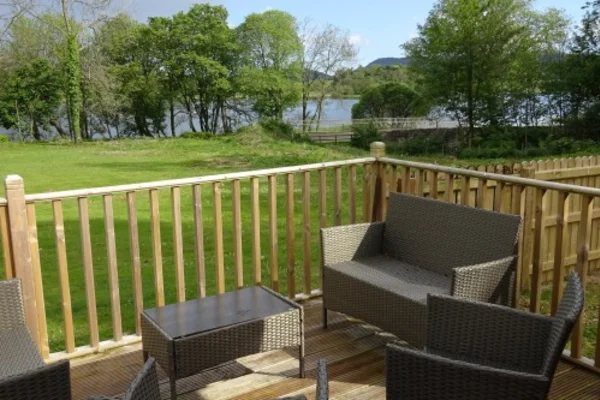
Situated in the market town of Castle Douglas, surrounded by the beautiful countryside of Galloway and overlooking Carlingwark Loch, Carlingwark House is a warm, welcoming and friendly care home providing residential care for up to 30 older people and people living with dementia.
Everyone who lives in the home enjoys their own comfortable and spacious bedroom with en-suite facilities, and are encouraged to bring small items from home to help personalise...
Situated in the market town of Castle Douglas, surrounded by the beautiful countryside of Galloway and overlooking Carlingwark Loch, Carlingwark House is a warm, welcoming and friendly care home providing residential care for up to 30 older people and people living with dementia.
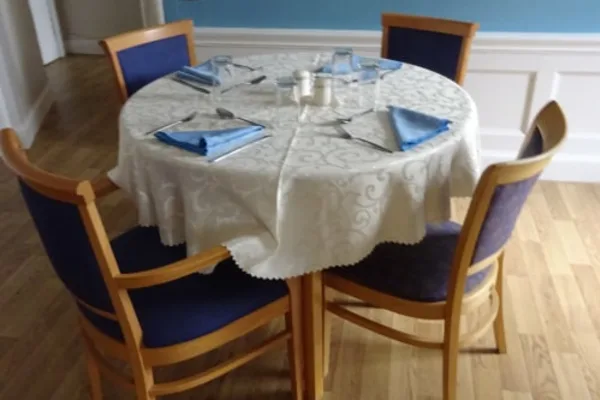
Everyone who lives in the home enjoys their own comfortable and spacious bedroom with en-suite facilities, and are encouraged to bring small items from home to help personalise their room. The home has some wonderful spaces to relax and enjoy the company of family and friends.
Colleagues receive specialist training and mentoring and really get to know the residents, spending time understanding their life story and the things that are important to them. This helps the team plan an extensive activity programme and support people to enjoy days out in the local community.
Music plays an important part in everyday life at Carlingwark. with 'Playlist for Life,' a specialist music therapy that supports people living with dementia to enjoy songs that are personally memorable to them.
Carlingwark's mission is to enhance the quality of life for its residents by delivering compassionate care, fostering independence, and promoting overall well-being. The home believes in treating each resident with dignity, respect, and empathy, ensuring they feel valued and cherished.
Staff promote independence, dignity, and quality of life for every individual under their care. With a person-centred approach, the home tailors services to meet the unique needs and preferences of each resident, empowering them to live life to the fullest.
Loading travel time
Care Provided by Carlingwark House
Primary Care Categories
Older Person Care
Dementia
Visual / Hearing Impairment
Length of Stay
Permanent Care
Respite Care
Care Types Provided
Residential Care
Dementia Residential Care
For a maximum of 30 Service Users
Dementia Care Types
Mild Dementia
Other Care Provided
Parkinson's Disease
Stroke
Bariatric Care/Obesity
Convalescent Care
Day Care
Facilities
Own Furniture if required
Pet Friendly (or by arrangement)
Close to Local shops
Near Public Transport
Minibus or other transport
Lift
Wheelchair Access
Ground Floor Accommodation only
Gardens
Residents Kitchenette
Phone Point in own room
Television point in own room
Funding & Fees
Weekly Charges per Person
Type of care
Permanent
Respite
Residential Care
£1,025 - £1,025
From £1,025
Residential Dementia Care
£1,087 - £1,087
From £1,087
Pricing excludes therapeutic therapies such as hairdressing and chiropody
The price(s) shown are provided by the care home. Contact Carlingwark House for full pricing details and T&Cs.
Contact Carlingwark House to confirm what's included and get a personalised quote:
Funding Types Accepted
Self-Funding (Private)
Local Authority with Top-up
Local Authority
Support you may be entitled to
If you choose a care home based in Scotland, you may be eligible for the Scottish Government's Free Personal Care funding of up to £260.30 per week if you're over the age of 65. This support is not reflected in this fee amount.
Carlingwark House has a Review Score of 8.7 (8.660) out of 10, based on 14 reviews in the last 2 years. Over all time Carlingwark House has 21 reviews.
Review from Stephen D (Power of Attorney of Resident) published on 20 May 2019 Submitted via Website•
Overall Experience
The care provided is exemplary and fulfils the needs of their client/service user to the full. One couldn't really ask for any more!
The care provided is exemplary and fulfils the needs of their client/service user to the full. One couldn't really ask for any more!
Facilities
Care / Support
Cleanliness
Treated with Dignity
Food & Drink
Staff
Activities
Management
Safety / Security
Rooms
Value for Money
Regulatory Rating
Care Inspectorate (CI) Rating
Date: 18 June 2026
How well do we support people's wellbeing?
Adequate
(3)
How good is our leadership?
Adequate
(3)
How good is our staff team?
Adequate
(3)
How good is our setting?
Adequate
(3)
How well is care and support planned?
Adequate
(3)
Care Inspectorate is responsible for the registration and inspection of social care services in Scotland.View Latest Report
Bed Vacancies
No Vacancies
Posted: 21 September 2026
We currently have vacancy's available for spacious and comfortable rooms within our care home. Residents receive personalised care and support from our compassionate caregivers, including assistance with activities of daily living, medication management, and healthcare monitoring.Contact us today to arrange a viewing of the home and to meet our team!
News (0) & Events (0)
News
There are no news items for Carlingwark House.
Upcoming Events
There are no upcoming events for Carlingwark House.
Awards / Recognitions (0)
There are currently no awards/recognitions posted yet for Carlingwark House.
Accreditations
There are no accreditations posted yet for Carlingwark House.
Meet the Team (0)
There are no Team Members posted yet.
Information on this page is displayed without responsibility for its accuracy on the part of carehome.co.uk. Please contact Carlingwark House to verify any information. View our terms and conditions. Carlingwark House has an Enhanced Service -what an Enhanced Service includes.