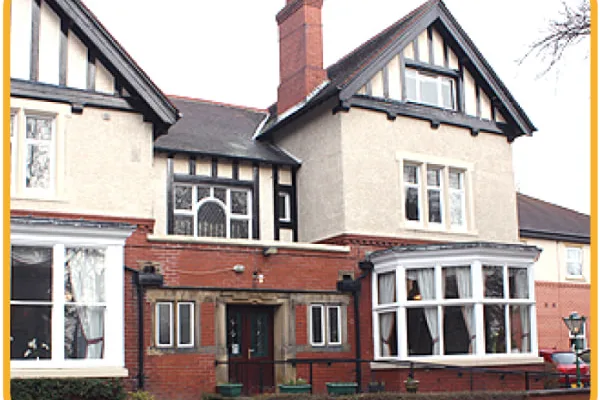


Ackroyd House comes from the respected portfolio of Hermes Care, employing qualified carers and implementing innovative care products to help those with care needs achieve an empowered lifestyle.
In the Home, Ackroyd has 20 single rooms, 18 en-suite rooms with a toilet, and 12 en-suite rooms with a toilet and a wet room. Ackroyd is also equipped with assisted bathing and nurse call systems.
Carers treat each service user as an individual...
Care Provided by Ackroyd Clinic
Primary Care Categories
- Older Person Care
- Dementia
- Younger Adults
Length of Stay
- Permanent Care
- Respite Care
Care Types Provided
- Residential Care
- Nursing Care
- Dementia Residential Care
- Dementia Nursing Care
- For a maximum of 52 Service Users
Dementia Care TypesMild Dementia
Someone living with our definition of "mild dementia" might experience some or all of the following:
- Memory problems such as misplacing items and not be able to recall recent events (however, in some forms of dementia a person's memory may be unchanged)
- Difficulties thinking through problems and planning, making decisions
- Language and communication issues such as finding it difficult to recall the appropriate word in a conversation or following a conversation
- Poor orientation, getting lost in areas previously familiar to them
- Difficulty judging distances (more falls than usual)
- Changes in their normal mood including anxiety and depression
- In certain types of dementia, personality and behaviour changes may be present alongside or instead of issues with memory or concentration.
Moderate Dementia
Someone living with our definition of "moderate dementia" might experience some or all of the following:
- Worsened memory problems. Not always recognising own family members and friends. Repeating the same questions over and over again
- Worsened language and communication issues, forgetting what they are saying mid-sentence. Not being able to understand what someone else is saying
- More frequent confusion, e.g. about the time of day or where they are, including their own home
- Apathy, depression and anxiety
- Believing things that aren't true (paranoia)
- Frequent hallucinations
- Lack of emotional control, quick to anger, fearfulness, sadness
- Loss of inhibition
- Difficulties sleeping or waking during the night and behaving as though it is daytime - loss of circadian rhythm.
Advanced Dementia
Someone living with our definition of "severe dementia" might experience some or all of the following:
- Severe memory problems. Not recognising family members and friends. Not being able to recall their own name
- Severe language and communication issues, not being able to understand what someone else is saying
- Severe confusion, e.g. about the time of day or where they are, including their own home
- Apathy, depression and anxiety
- Believing things that aren't true (paranoia)
- Frequent hallucinations
- Lack of emotional control, quick to anger, fearfulness, sadness
- Loss of inhibition
- Difficulties sleeping or waking during the night and behaving as though it is daytime - loss of circadian rhythm.
Verbally or physically aggressive behaviour
If your loved one displays this type of behaviour you may need a care home that has specially trained staff. Verbal/physical aggression is often defined:
- Consistent shouting and screaming
- Verbal abuse
- Physical abuse
How we define Dementia Care Types
Mild Dementia
Someone living with our definition of "mild dementia" might experience some or all of the following:
- Memory problems such as misplacing items and not be able to recall recent events (however, in some forms of dementia a person's memory may be unchanged)
- Difficulties thinking through problems and planning, making decisions
- Language and communication issues such as finding it difficult to recall the appropriate word in a conversation or following a conversation
- Poor orientation, getting lost in areas previously familiar to them
- Difficulty judging distances (more falls than usual)
- Changes in their normal mood including anxiety and depression
- In certain types of dementia, personality and behaviour changes may be present alongside or instead of issues with memory or concentration.
Moderate Dementia
Someone living with our definition of "moderate dementia" might experience some or all of the following:
- Worsened memory problems. Not always recognising own family members and friends. Repeating the same questions over and over again
- Worsened language and communication issues, forgetting what they are saying mid-sentence. Not being able to understand what someone else is saying
- More frequent confusion, e.g. about the time of day or where they are, including their own home
- Apathy, depression and anxiety
- Believing things that aren't true (paranoia)
- Frequent hallucinations
- Lack of emotional control, quick to anger, fearfulness, sadness
- Loss of inhibition
- Difficulties sleeping or waking during the night and behaving as though it is daytime - loss of circadian rhythm.
Advanced Dementia
Someone living with our definition of "severe dementia" might experience some or all of the following:
- Severe memory problems. Not recognising family members and friends. Not being able to recall their own name
- Severe language and communication issues, not being able to understand what someone else is saying
- Severe confusion, e.g. about the time of day or where they are, including their own home
- Apathy, depression and anxiety
- Believing things that aren't true (paranoia)
- Frequent hallucinations
- Lack of emotional control, quick to anger, fearfulness, sadness
- Loss of inhibition
- Difficulties sleeping or waking during the night and behaving as though it is daytime - loss of circadian rhythm.
Verbally or physically aggressive behaviour
If your loved one displays this type of behaviour you may need a care home that has specially trained staff. Verbal/physical aggression is often defined:
- Consistent shouting and screaming
- Verbal abuse
- Physical abuse
How we define Dementia Care Types
- Mild Dementia
- Moderate Dementia
Other Care Provided
- Parkinson's Disease
- Stroke
- Palliative / End of Life Care
- COPD/Pulmonary Disease
- Convalescent Care
- Acquired Brain Injury (ABI)

Facilities
- Own Furniture if required
- Pet Friendly (or by arrangement)
- Smoking not permitted
- Close to Local shops
- Near Public Transport
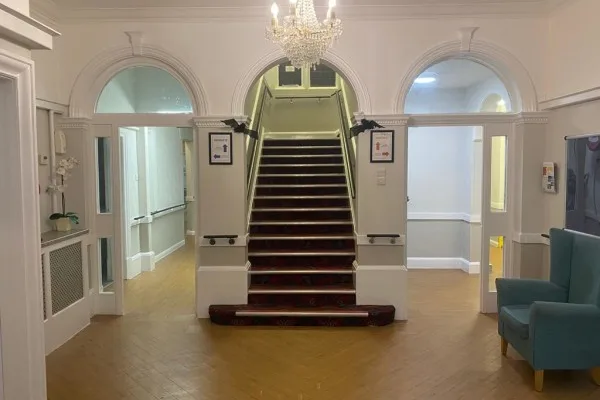
- Lift
- Wheelchair Access
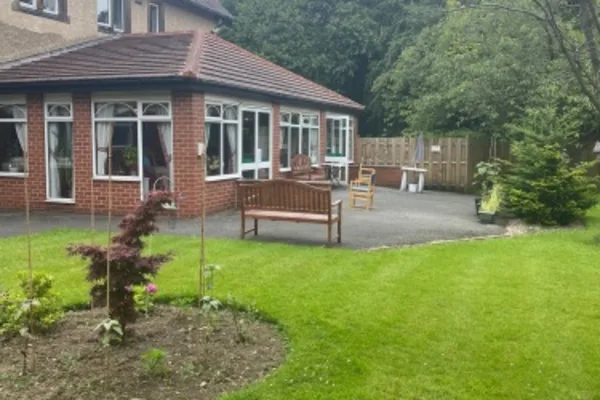
- Gardens
- Residents Kitchenette
- Phone Point in own room
- Television point in own room
- Residents Internet Access
Funding & Fees
Weekly Charges per Person
All our fees are assessed on need. The figures quoted are an approximate range., please discuss your requirements with our Registered Manager who will provide an accurate figure based on the needs assessed.
The price(s) shown are provided by the care home. Contact Ackroyd Clinic for full pricing details and T&Cs.
Contact Ackroyd Clinic to confirm what's included and get a personalised quote:
Funding Types Accepted
- Self-Funding (Private)
- Local Authority with Top-up
- Local Authority
- NHS Continuing Healthcare (CHC)
Support you may be entitled to
- If you chose a care home based in England, you may be eligible for NHS Funded Nursing Care (FNC), which helps cover the cost of nursing. This is worth £267.68 per week and is usually paid directly to the care home.
Good to Know
Group / Owner
- Hermes Care
- Private Owned
Person in charge
- Paulo Barbosa(Manager)
Local Authority / Social Services
Admission Information
- Ages from 18 to 100
Care Home Design/Build
- Purpose Built: No
- Last Refurbishment: 2016
- Number of floors: 2
Room Information
- Single Rooms (48)
- Couples/Companion Rooms (2)
- Single Rooms with ensuite Wet Room (12)
Visiting
- All visitors will be between 10:00 am and 19:00 am, avoiding mealtimes, Lunchtime: 12:00 pm to 13:00 pm and Teatime: 16:00pm to 17:00pm. There is an exception for all that are on End of Life Care, they can be visited at any time. (These visiting times may change in case of any outbreak eg COVID-19, D&V, etc)
Parking
- Ackroyd House has private car park they can use on visiting Ackroyd. However Ackroyd will not take any responsibility for any damage on the vehicles parked at Ackroyd car park.
Ackroyd Clinic Reviews (54)
Ackroyd Clinic has a Review Score of 9.6 (9.587) out of 10, based on 19 reviews in the last 2 years.
Over all time Ackroyd Clinic has 54 reviews.
We had a 2 week initial respite period for my mother at Ackroyd Clinic, to give us time to find a placement, however, we decided that this is the place for her. We are regularly updated on my mother's progress and she is now better than she was at home. We were even able to visit in the garden which brought the family reassurance. We had one concern that was swiftly acted on by the manager and an official response was sent to us.
Thank you for your review , is has been appreciated by all our staff
Staff all very helpful and care given is very good.
The staff are wonderful, caring and attentive. Mum's needs are met, she is clean, well-fed and most of all very happy and comfortable in this environment. This is a huge relief for me and my brother to know she is settled and made 'part of Ackroyd's family'.
My mother was taken into respite after being in and out of hospital as she was unable to mobilise and was having major issues with infections in her legs. The staff are friendly and helpful and she has been very well looked after. I have been able to take my cat to see her as she has been missing her own cat and both staff and patients have enjoyed his visits, which has been beneficial to their wellbeing. Mother has also participated in craft activities which she has enjoyed. After initial concerns that she would not settle, she has settled well due to the care and attention of the staff. She particularly praises the food which she has enjoyed and there is an excellent choice.
My grandparents are both in the dementia ward at Ackroyd Clinic and I couldn't be more pleased with the level of care they are receiving. The carers really care about them and show a high level of professionalism. My grandparents are very happy, which I was very happy with given how hard they are to please. It was very difficult to find a place for them and there has been a great deal of worry about their care and these worries have been allayed. I am especially impressed by how much the floor head cares for my grandparents and how much regard they have for him in return.
Many thanks for your wonderful review of Ackroyd, it is a pleasure to have them in our home.
All the management and staff were very helpful and friendly at all times.
They managed to calm the storm at a very stressful time.
We, as a family, can't thank them enough.
My husband has always enjoyed his stays here and finds all the staff are professional, caring and treat him with respect. I also find the same when having to deal with either management, administration nursing or caring staff.
This establishment has a very warm, friendly atmosphere where people can relax and the gardens are a lovely place for all.
The new activities coordinator is fantastic at bringing fun and activity to the residents, appropriate to their interests.
The only thing negative, I would like to see the home have a redecorate as the décor is looking tired and needs retouching in areas for the money the residents pay.
Food, good.
Bed and room extremely comfortable.
Most of the staff are very pleasant and helpful. Nothing is too much trouble for them and are lovely to visitors too. Ackroyd is very clean and the meals look and taste gorgeous too.
Mum has been a resident in Ackroyd Clinic for three years. She seems settled and happy. The few problems we have had with mums care have been dealt with efficiently by the management and staff.
When phoning for news of resident very obliging and helpful. Seems very friendly. Staff, resident settled in well and praises the food. The residents all seem to be happy and content. Nice to be able to bring personal touches in the room and rooms are well equipped and clean.
My wife has been looked after very good. The food is excellent. The home has a nice atmosphere.
The staff have been fantastic and helpful and all great to me. I will miss all the staff.
Regulatory Rating
Care Quality Commission (CQC) Rating
Date: 10 September 2024Good
- CaringGood
- EffectiveGood
- ResponsiveGood
- SafeGood
- Well-ledGood
Inspection ratings
We rate most services according to how safe, effective, caring, responsive and well-led they are, using four levels:
- Outstanding - The service is performing exceptionally well.
- Good - The service is performing well and meeting our expectations.
- Requires Improvement - The service isn't performing as well as it should and we have told the service how it must improve.
- Inadequate - The service is performing badly and we've taken action against the person or organisation that runs it.
- Not rated - we have not yet rated this area of the service, this is normally because the assessments we have carried out have been focused on other key questions.
Bed Vacancies
Please contact us for latest vacancies.
News (0) & Events (0)
There are no news items for Ackroyd Clinic.
There are no upcoming events for Ackroyd Clinic.
Awards / Recognitions (0)
There are currently no awards/recognitions posted yet for Ackroyd Clinic.
Accreditations
There are no accreditations posted yet for Ackroyd Clinic.
Meet the Team (3)

My name is Paulo Barbosa, and I am from Portugal. I have been in England since 2015 and I have been working at Ackroyd House since. I have always been passionate about helping people, and I found my calling in being a Nurse. Throughout my career, I have learned many valuable lessons that have shaped me into the leader I am today.
I started my career as a caregiver at Ackroyd to improve my language, so before I start working as a Nurse. As a nurse, I worked my way up the ranks and became a manager. Which has been a challenge and a learning curve. I have been the manager of Ackroyd since April 2022. There are many challenges to overcome, but with hard work, dedication, and Governance Team support, I am able to overcome these obstacles and create a safe and comfortable environment for the residents.
One of the most important things I have learned as a care home manager is the value of communication.Communication is key when managing a team of caregivers, as well as when dealing with the families of the residents. So, we try to make sure that everyone is on the same page, and I encourage open and honest communication. This has helped us to build trust and work together as a team.
Another important lesson I have learned is the importance of empathy. I always try to put myself in the shoes of the residents and their families and think about how I would want to be treated in their situation. This has helped me to create a welcoming and compassionate environment, where the residents feel valued and cared for.
Over the years, I have also learned the importance of staying up to date. I make sure that my staff is trained in the latest best practices. This has helped us to provide the best possible care to our residents and has also helped us to stay competitive in the industry.
Overall, being a care home manager has been a challenging but rewarding experience. I am proud of working for this family and the work we do, and I am grateful to be able to make a positive impact on the lives of the residents and their families. Ackroyd House is not a workplace it is a family home.
I like to think, “Yesterday is the past, tomorrow is the future and today is a gift, that’s why it calls present, so use your gift to be kind and spread kindness to others”.

My name is Monica Bujor, and I have been working in the care home industry for over 8 years. I started my career as a caregiver, and I quickly realized that I had a passion for helping people in need. Over time, I worked my way up to become a care home deputy manager, and it has been a challenging and rewarding experience.
As a care home deputy manager, I work closely with the manager to oversee the daily operations of the care home. This includes managing the staff, ensuring regulatory compliance, and providing the best possible care for the residents. I have learned many valuable lessons throughout my career, which have helped me to become a better leader and caregiver.
One of the most important lessons I have learned is the importance of teamwork. It takes a team of dedicated and compassionate caregivers to provide the best possible care for the residents. I work closely with the manager and the staff to create a positive and supportive work environment. This has helped us to build a strong and cohesive team, which is essential for providing high-quality care to our residents.
Another important lesson I have learned is the value of communication. As a deputy manager, I am responsible for communicating with the staff, the residents, and their families. Effective communication is key to building trust and creating a supportive environment for everyone involved. I always make sure that everyone is on the same page, and I encourage open and honest communication.
Over the years, I have also learned the importance of being adaptable. The care home industry is constantly changing, and we need to be able to adapt to new regulations, technologies, and best practices. I make sure that I stay up-to-date with the latest developments in the industry, and I encourage the staff to do the same. This has helped us to provide the best possible care for our residents, and to stay ahead of the competition.
Overall, being a care home deputy manager has been a challenging but rewarding experience. I am proud of the work we do, and I am grateful to be able to make a positive impact on the lives of our residents and their families. I look forward to continuing to learn and grow in this industry, and to helping even more people in the future.
I start working for Hermes Care Group in 2022, and was one of the best decisions taken, this company is like a big family. When I am not working, I love listening to music, reading, and long drives (in special on the seaside ??).If someone would ask me for words of encouragement for someone looking for the right care home, I would say: “Look for positive attitudes and happy people, a home where the feeling matters the most”.

My name is Susan Gibson, but I like to be called Sue. I have been working as an office administrator at Ackroyd House care home for over 4 years. I have always liked helping people, and working in the care industry previously has helped me in my job as an administrator as I understand what is required.
As an office administrator, I am responsible for managing the administrative functions of the care home. This includes handling paperwork, managing schedules, and payroll, and ensuring that the office runs smoothly.As an administrator, I am often the first point of contact for families and visitors. It is important to be friendly, and approachable, and to provide accurate information in a timely manner. I make sure that I am always available to answer questions and address concerns. This has helped to build trust and confidence among our residents and their families.
In a care home, things can change quickly, and it is important to be able to adapt to new situations. I make sure that I am always ready to take on new tasks and responsibilities.
Being an office administrator in a care home has been a rewarding experience. I am proud of the work we do, and I am grateful to be able to make a positive impact on the lives of our residents and their families. I look at the home as a family and enjoy my position within it.
Information on this page is displayed without responsibility for its accuracy on the part of carehome.co.uk. Please contact Ackroyd Clinic to verify any information. View our terms and conditions. Ackroyd Clinic has an Enhanced Service -more info.