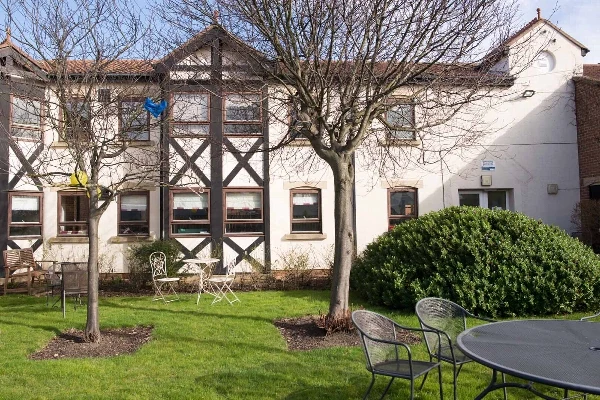
Ashwood Court, in Sunderland, is a unique purpose-built care home, offering not just nursing, but focused and personalised care, covering a range of different dementia types and other related conditions.
They can provide care for up to 30 residents in a variety of well-appointed single rooms, all of which are en-suite.
The home is dementia-friendly, with relevant staff training and signage and activities, allowing residents to live relaxed and dignified lifestyles, whilst...
Ashwood Court, in Sunderland, is a unique purpose-built care home, offering not just nursing, but focused and personalised care, covering a range of different dementia types and other related conditions.
They can provide care for up to 30 residents in a variety of well-appointed single rooms, all of which are en-suite.
The home is dementia-friendly, with relevant staff training and signage and activities, allowing residents to live relaxed and dignified lifestyles, whilst having access to a whole range of personal interests and activities.
The home was specifically designed to suit person-centred care, with comfortable interiors and skilled and friendly nurses and carers.
From the moment you step into the home, you can feel the friendly, warm atmosphere and the heartfelt dedication of the entire team.
At Ashwood Court Care Home the staff continually strive to maintain a family atmosphere within a warm and happy environment. Their recent CQC report specifically noted that, “There was a welcoming atmosphere and lots of laughter in the home.”
Everyone is encouraged to be as active as they can be, with activities such as dominoes and gentle exercise available on a regular basis.
Their dedicated activity coordinator ensures that all residents are happy with what they are doing - either in a group or on an individual basis.
The home is easily accessible via road and public transport and has ample visitor parking available.
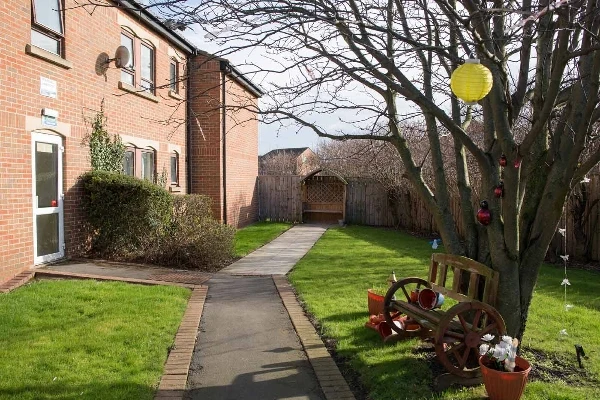
It has well-kept enclosed gardens allowing occupants to spend time outside in the warmer weather.
Loading travel time
Care Provided by Ashwood Court
Primary Care Categories
Older Person Care
Dementia
Learning Disability / Autism
Physical Disability
Visual / Hearing Impairment
Length of Stay
Permanent Care
Respite Care
Care Types Provided
Residential Care
Nursing Care
Dementia Residential Care
Dementia Nursing Care
For a maximum of 30 Service Users
Dementia Care Types
Mild Dementia
Moderate Dementia
Advanced/Complex Dementia
Other Care Provided
Parkinson's Disease
Stroke
Palliative / End of Life Care
Convalescent Care
Acquired Brain Injury (ABI)
Day Care
Facilities
Own Furniture if required
Pet Friendly (or by arrangement)
Smoking not permitted
Close to Local shops
Near Public Transport
Lift
Wheelchair Access
Gardens
Residents Kitchenette
Phone Point in own room
Television point in own room
Residents Internet Access
Funding & Fees
Weekly Charges per Person
Type of care
Permanent
Respite
Residential Care
From £1,199
From £1,199
Residential Dementia Care
From £1,199
From £1,199
Nursing Care
From £1,250
From £1,250
Nursing Dementia Care
From £1,453
From £1,453
Contact Ashwood Court to confirm what's included and get a personalised quote:
Fee's listed are starting prices, they are dependent on outcome of assessment.
Fee's for Respite care may change depending on length of stay and outcome of assessment.
The price(s) shown are provided by the care home. Contact Ashwood Court for full pricing details and T&Cs.
Funding Types Accepted
Self-Funding (Private)
Local Authority with Top-up
Local Authority
NHS Continuing Healthcare (CHC)
Support you may be entitled to
If you choose a care home based in England, you may be eligible for NHS Funded Nursing Care (FNC), which helps cover the cost of nursing. This is worth £267.68 per week and is usually paid directly to the care home.
There are no restrictions on visiting times. However, it is preferred that appointments are booked in advance so staff can take the time to show visitors around fully. Family members are welcome and encouraged to visit with or separate from potential residents. If booked in advance, meals can be provided for visitors.
Parking
Ample off-street parking is available on-site for up to 8 cars. There is also easy street parking available right outside the home.
Review from Margaret A (Husband of Resident) published on 8 March 2017 Submitted via Review Postal Card•
Overall Experience
Came on a daily basis to visit my husband found the staff exceptional food of a great standard and regular entertainment and things going on to keep the residents occupied.
Came on a daily basis to visit my husband found the staff exceptional food of a great standard and regular entertainment and things going on to keep the residents occupied.
Facilities
Care / Support
Cleanliness
Treated with Dignity
Food & Drink
Staff
Activities
Management
Safety / Security
Rooms
Value for Money
Regulatory Rating
Care Quality Commission (CQC) Rating
Care Quality Commission is responsible for the registration and inspection of social care services in England.View Latest Report
There are no accreditations posted yet for Ashwood Court.
Meet the Team (0)
There are no Team Members posted yet.
Information on this page is displayed without responsibility for its accuracy on the part of carehome.co.uk. Please contact Ashwood Court to verify any information. View our terms and conditions. Ashwood Court has an Enhanced Service -what an Enhanced Service includes.