Loading travel time





Care Provided by Park House
Primary Care Categories
- Older Person Care
- Dementia
- Physical Disability
- Visual / Hearing Impairment
Length of Stay
- Permanent Care
- Respite Care
Care Types Provided
- Residential Care
- Dementia Residential Care
- For a maximum of 28 Service Users
Dementia Care Types
- Mild Dementia
- Moderate Dementia
Other Care Provided
- Parkinson's Disease
- Stroke
- Palliative / End of Life Care
- Convalescent Care
- Day Care
Facilities
- Own Furniture if required
- Pet Friendly (or by arrangement)
- Close to Local shops
- Near Public Transport
- Minibus or other transport
- Lift
- Wheelchair Access
- Gardens
- Phone Point in own room
- Television point in own room
- Residents Internet Access
Funding & Fees
Weekly Charges per Person
Contact Park House to confirm what's included and get a personalised quote
The price(s) shown are provided by the care home. Contact Park House for full pricing details and T&Cs.
Funding Types Accepted
- Self-Funding (Private)
- Local Authority with Top-up
- Local Authority
- NHS Continuing Healthcare (CHC)
Good to Know
Owner
- Park House Residential Care Ltd
- Private Owned
Person in charge
- Debra Best (Registered Manager)
Local Authority / Social Services
Admission Information
- Mixed (no single-gender units)
- Ages 40+
Care Home Design/Build
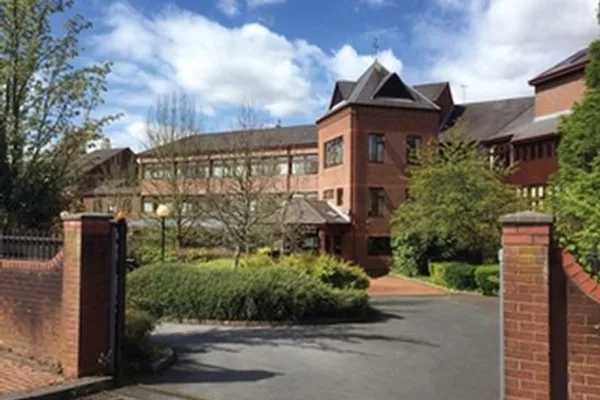
- Purpose Built: Yes
- Last Refurbishment: 2009
Room Information
- Single Rooms (28)
Are you the Owner/Manager of Park House?View your Advertising Options
Park House Reviews (1)
Over all time Park House has 1 review.
Filter Reviews
Overall Experience
Date Published
Reviewer Connection to Park House
Loading...
Review from Neil S (Son of Resident) published on 10 January 2019 Submitted via Website•
Overall Experience
Come February, my mum will have been a resident at Park House for 12 months. On taking up her place, she was physically unwell and quite upset at leaving her home of 40yrs. However, she was welcomed so warmly by all the staff, that she quite quickly became so much better physically, which in turn...
Come February, my mum will have been a resident at Park House for 12 months. On taking up her place, she was physically unwell and quite upset at leaving her home of 40yrs. However, she was welcomed so warmly by all the staff, that she quite quickly became so much better physically, which in turn decreased her anxiety. I have been guilty of constantly "mithering" the staff when visiting and they have all treated me with the utmost kindness and respect; as they have my mum.
I cannot thank all the staff, manager and owners enough for helping my mum and me through a difficult 12 months and putting our minds at ease for the future.
Regulatory Rating
Care Quality Commission (CQC) Rating
Date: 03 April 2020Overall
Good
Good
- CaringGood
- EffectiveGood
- ResponsiveGood
- SafeRequires improvement
- Well-ledGood
Inspection ratings
We rate most services according to how safe, effective, caring, responsive and well-led they are, using four levels:
- Outstanding - The service is performing exceptionally well.
- Good - The service is performing well and meeting our expectations.
- Requires Improvement - The service isn't performing as well as it should and we have told the service how it must improve.
- Inadequate - The service is performing badly and we've taken action against the person or organisation that runs it.
- Not rated - we have not yet rated this area of the service, this is normally because the assessments we have carried out have been focused on other key questions.
Bed Vacancies
Please contact us for latest vacancies.
News (0) & Events (0)
News
There are no news items for Park House.
Upcoming Events
There are no upcoming events for Park House.
Awards / Recognitions (0)
There are currently no awards/recognitions posted yet for Park House.
Accreditations
There are no accreditations posted yet for Park House.
Meet the Team (0)
There are no Team Members posted yet.
Frequently Asked Questions about Park House
How much does Park House cost?
The care home lists weekly fees per person from £840 for residential care. Funding accepted: Self-Funding (Private), Local Authority with Top-up, Local Authority, NHS Continuing Healthcare (CHC).
What types of Care is Park House registered for?
Older Person Care, Dementia, Physical Disability, Visual / Hearing Impairment are the registered (by the Care Quality Commission) categories of Care.
How many Rooms does Park House have?
There are 28 Single Rooms.
What are the Facilities & Services at Park House?
Own Furniture if required, Pet Friendly (or by arrangement), Close to Local shops, Near Public Transport, Minibus or other transport, Lift, Wheelchair Access, Gardens, Phone Point in own room, Television point in own room, Residents Internet Access are some of the Facilities & Services.
How far is Park House to the centre of Oldham?
0.8 mile(s) as the crow flies, distance by road may be significantly further.
Information on this page is displayed without responsibility for its accuracy on the part of carehome.co.uk. Please contact Park House to verify any information. View our terms and conditions. Park House has a Basic Service -what a Basic Service includes.