- UK Care Homes Search
- Care Homes in England
- Care Homes in South West England
- Care Homes in Gloucestershire
- Care Homes in Cheltenham Area
- Care Homes in Cheltenham
- Grevill House and Ashley Intermediate Care Centre care home


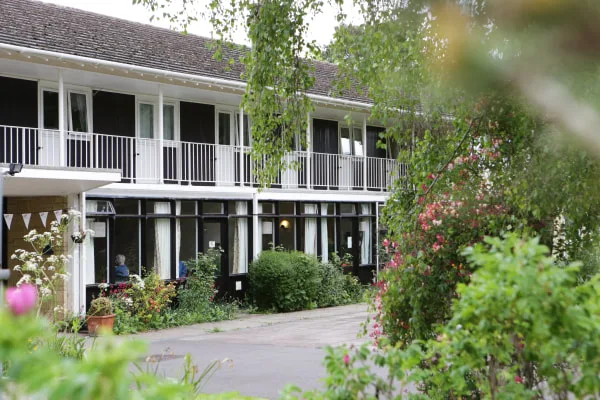
Grevill House and Ashley Intermediate Care Centre in Cheltenham offers nursing, residential, respite and dementia care for up to 65 residents.
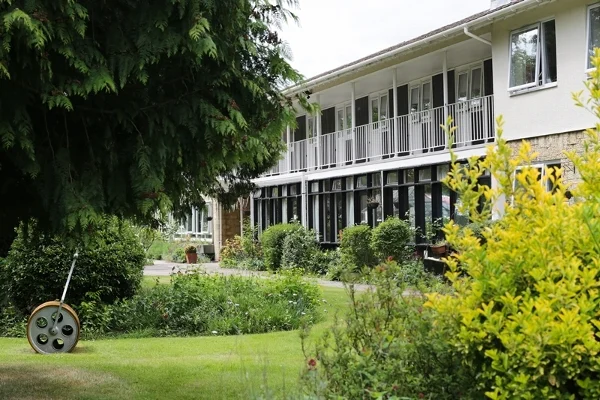
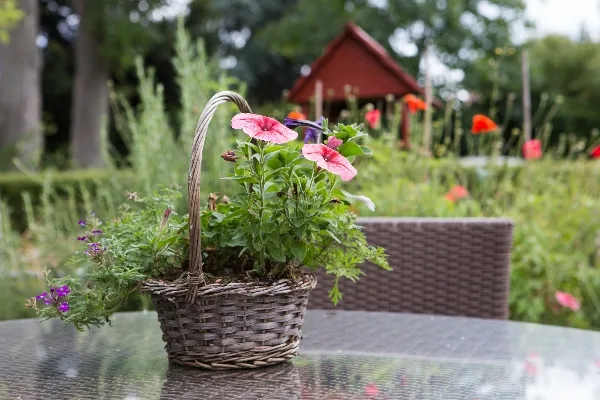
Grevill House Care Home has a spacious landscaped garden and a wide range of activities for residents to enjoy including painting and exercise classes.
Trained, attentive staff give residents dignified, respectful high quality care.
Care Provided by Grevill House and Ashley Intermediate Care Centre
Primary Care Categories
- Older Person Care
- Dementia
- Physical Disability
- Visual / Hearing Impairment
Length of Stay
- Permanent Care
- Respite Care
Care Types Provided
- Residential Care
- Nursing Care
- Dementia Residential Care
- Dementia Nursing Care
- For a maximum of 65 Service Users
Dementia Care TypesMild Dementia
Someone living with our definition of "mild dementia" might experience some or all of the following:
- Memory problems such as misplacing items and not be able to recall recent events (however, in some forms of dementia a person's memory may be unchanged)
- Difficulties thinking through problems and planning, making decisions
- Language and communication issues such as finding it difficult to recall the appropriate word in a conversation or following a conversation
- Poor orientation, getting lost in areas previously familiar to them
- Difficulty judging distances (more falls than usual)
- Changes in their normal mood including anxiety and depression
- In certain types of dementia, personality and behaviour changes may be present alongside or instead of issues with memory or concentration.
Moderate Dementia
Someone living with our definition of "moderate dementia" might experience some or all of the following:
- Worsened memory problems. Not always recognising own family members and friends. Repeating the same questions over and over again
- Worsened language and communication issues, forgetting what they are saying mid-sentence. Not being able to understand what someone else is saying
- More frequent confusion, e.g. about the time of day or where they are, including their own home
- Apathy, depression and anxiety
- Believing things that aren't true (paranoia)
- Frequent hallucinations
- Lack of emotional control, quick to anger, fearfulness, sadness
- Loss of inhibition
- Difficulties sleeping or waking during the night and behaving as though it is daytime - loss of circadian rhythm.
Advanced Dementia
Someone living with our definition of "severe dementia" might experience some or all of the following:
- Severe memory problems. Not recognising family members and friends. Not being able to recall their own name
- Severe language and communication issues, not being able to understand what someone else is saying
- Severe confusion, e.g. about the time of day or where they are, including their own home
- Apathy, depression and anxiety
- Believing things that aren't true (paranoia)
- Frequent hallucinations
- Lack of emotional control, quick to anger, fearfulness, sadness
- Loss of inhibition
- Difficulties sleeping or waking during the night and behaving as though it is daytime - loss of circadian rhythm.
Verbally or physically aggressive behaviour
If your loved one displays this type of behaviour you may need a care home that has specially trained staff. Verbal/physical aggression is often defined:
- Consistent shouting and screaming
- Verbal abuse
- Physical abuse
How we define Dementia Care Types
Mild Dementia
Someone living with our definition of "mild dementia" might experience some or all of the following:
- Memory problems such as misplacing items and not be able to recall recent events (however, in some forms of dementia a person's memory may be unchanged)
- Difficulties thinking through problems and planning, making decisions
- Language and communication issues such as finding it difficult to recall the appropriate word in a conversation or following a conversation
- Poor orientation, getting lost in areas previously familiar to them
- Difficulty judging distances (more falls than usual)
- Changes in their normal mood including anxiety and depression
- In certain types of dementia, personality and behaviour changes may be present alongside or instead of issues with memory or concentration.
Moderate Dementia
Someone living with our definition of "moderate dementia" might experience some or all of the following:
- Worsened memory problems. Not always recognising own family members and friends. Repeating the same questions over and over again
- Worsened language and communication issues, forgetting what they are saying mid-sentence. Not being able to understand what someone else is saying
- More frequent confusion, e.g. about the time of day or where they are, including their own home
- Apathy, depression and anxiety
- Believing things that aren't true (paranoia)
- Frequent hallucinations
- Lack of emotional control, quick to anger, fearfulness, sadness
- Loss of inhibition
- Difficulties sleeping or waking during the night and behaving as though it is daytime - loss of circadian rhythm.
Advanced Dementia
Someone living with our definition of "severe dementia" might experience some or all of the following:
- Severe memory problems. Not recognising family members and friends. Not being able to recall their own name
- Severe language and communication issues, not being able to understand what someone else is saying
- Severe confusion, e.g. about the time of day or where they are, including their own home
- Apathy, depression and anxiety
- Believing things that aren't true (paranoia)
- Frequent hallucinations
- Lack of emotional control, quick to anger, fearfulness, sadness
- Loss of inhibition
- Difficulties sleeping or waking during the night and behaving as though it is daytime - loss of circadian rhythm.
Verbally or physically aggressive behaviour
If your loved one displays this type of behaviour you may need a care home that has specially trained staff. Verbal/physical aggression is often defined:
- Consistent shouting and screaming
- Verbal abuse
- Physical abuse
How we define Dementia Care Types
- Mild Dementia
- Moderate Dementia
Other Care Provided
- Parkinson's Disease
- Stroke
- Palliative / End of Life Care
- COPD/Pulmonary Disease
- Bariatric Care/Obesity
- Convalescent Care
- Acquired Brain Injury (ABI)
Facilities
- Own Furniture if required
- Smoking not permitted
- Close to Local shops
- Near Public Transport
- Minibus or other transport
- Lift
- Wheelchair Access
- Gardens
- Television point in own room
- Residents Internet Access
Funding & Fees
Weekly Charges per Person
The price(s) shown are provided by the care home. Contact Grevill House and Ashley Intermediate Care Centre for full pricing details and T&Cs.
Contact Grevill House and Ashley Intermediate Care Centre to confirm what's included and get a personalised quote:
Funding Types Accepted
- Self-Funding (Private)
- Local Authority with Top-up
- Local Authority
- NHS Continuing Healthcare (CHC)
Support you may be entitled to
- If you chose a care home based in England, you may be eligible for NHS Funded Nursing Care (FNC), which helps cover the cost of nursing. This is worth £267.68 per week and is usually paid directly to the care home.
Good to Know
Group / Owner
- Agincare Homes Holdings Ltd
- Private Owned
Person in charge
- Bethany Clark (Home Manager)
Local Authority / Social Services
Admission Information
- Mixed (no single-gender units)
- Ages 65+
Care Home Design/Build
- Purpose Built: No
- Last Refurbishment: 2024
- Number of floors: 2
Room Information
- Single Rooms (65)
Visiting
- Visitors welcome at any time.
Parking
- Free parking is available outside the home.
Grevill House and Ashley Intermediate Care Centre Reviews (121)
Grevill House and Ashley Intermediate Care Centre has a Review Score of 9.5 (9.521) out of 10, based on 27 reviews in the last 2 years.
Over all time Grevill House and Ashley Intermediate Care Centre has 121 reviews.
I think it is absolutely marvelous. I stayed at a place before but this is far better. The staff are absolutely fantastic. You couldn't wish for better. I feel very comfortable here. No trouble whatsoever. Everyone is really kind.
Bed Vacancies
Please contact us for latest vacancies.
News (0) & Events (0)
There are no news items for Grevill House and Ashley Intermediate Care Centre.
There are no upcoming events for Grevill House and Ashley Intermediate Care Centre.
Awards / Recognitions (0)
There are currently no awards/recognitions posted yet for Grevill House and Ashley Intermediate Care Centre.
Accreditations
There are no accreditations posted yet for Grevill House and Ashley Intermediate Care Centre.
Meet the Team (3)

Beth has over 17 years of experience in the care sector. She began her career as a Care Assistant and quickly progressed to the role of Care Leader before undertaking further training to become a Registered Nursing Associate, qualifying in 2019. Since then, she has developed expertise in nursing care, dementia care, and discharge-to-assess services.
In 2024, Beth was appointed as Clinical Deputy Manager, a role in which she enjoyed, before progressing to her current position as Home Manager at Grevill House. In this role, she is committed to maintaining the highest standards of care and continually improving practice across the home.
Beth is passionate about engaging with residents and actively participates in a wide range of activities. She believes that fostering a warm, welcoming, and homely environment is essential and takes great satisfaction in seeing residents happy, relaxed, and enjoying their day.
Outside of work, Beth enjoys long walks with her partner and their Golden Retriever, Morty. She is also an avid music listener, with a particular interest in rock and country, and enjoys watching science fiction films.

Apsara is a dedicated Registered Nurse who qualified in 2019 and has worked within the care sector since 2015. She brings a broad range of experience across both NHS hospital settings and care homes, providing her with a strong and well-rounded clinical foundation.
She joined Grevill House in November 2025 and quickly demonstrated excellent clinical leadership, professionalism, and a clear commitment to maintaining high standards of care. In recognition of her skills and dedication, Apsara was appointed Clinical Deputy Manager in February 2026. In this role, she supports the Home Manager in delivering effective clinical leadership and overseeing the day-to-day operations of the service.
Apsara is passionate about delivering safe, high-quality, and person-centred care. She is equally committed to supporting and developing staff, ensuring that residents consistently receive compassionate, respectful, and dignified care. Outside of work, she enjoys travelling, listening to music, and cherishing quality time with her family.

Sara has previously worked as a Residential Support Worker with children and young people, a role she held for approximately four years. In January 2026, she transitioned into a position as an Activity Coordinator.
One of the aspects Sara values most about this role is the opportunity to spend meaningful time with residents and contribute positively to their day. Whether through organised activities or simple conversation, she finds it highly rewarding to see residents engaged and smiling.
Outside of work, Sara has a range of interests. A particular passion of hers is working with horses and animals more generally. Sara has been involved with horses since childhood, and her enthusiasm for them has continued to grow over the years. Sara also has a strong appreciation for music.
Information on this page is displayed without responsibility for its accuracy on the part of carehome.co.uk. Please contact Grevill House and Ashley Intermediate Care Centre to verify any information. View our terms and conditions. Grevill House and Ashley Intermediate Care Centre has an Enhanced Service -more info.