Loading travel time
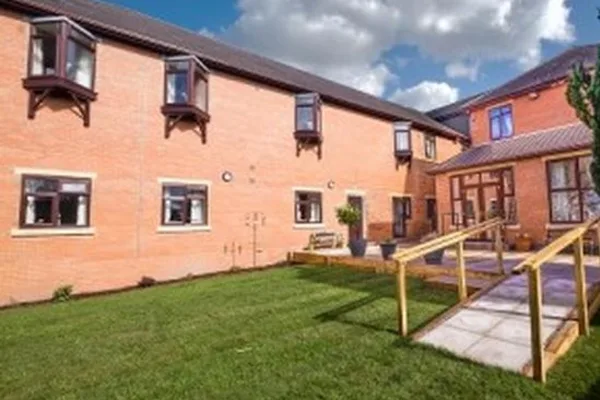

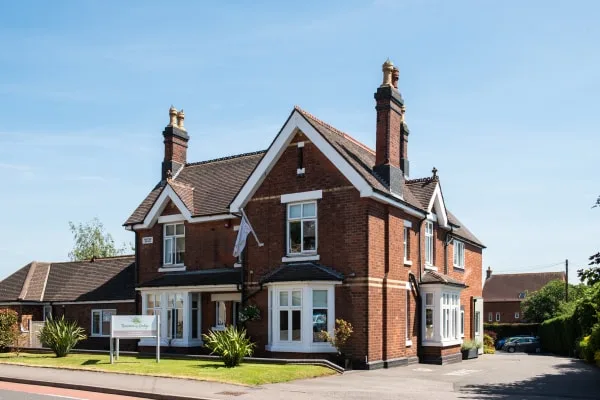

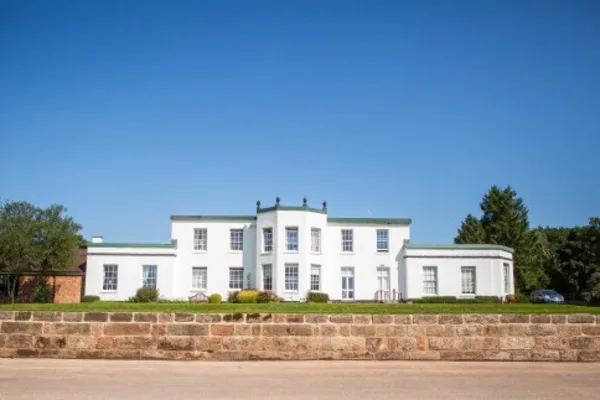

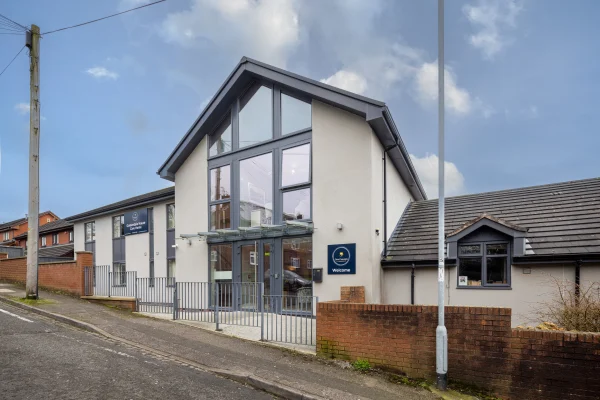

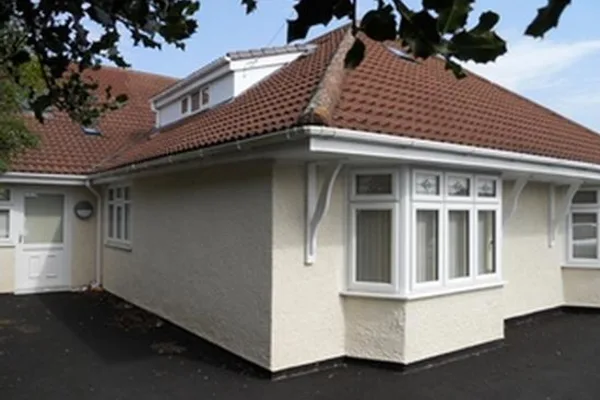

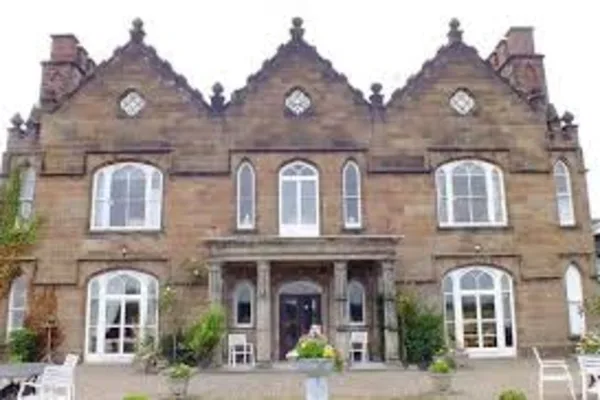
Care Provided by Shenstone Hall Residential Home
Primary Care Categories
- Older Person Care
- Dementia
- Physical Disability
Length of Stay
- Permanent Care
- Respite Care
Care Types Provided
- Residential Care
- Dementia Residential Care
- For a maximum of 25 Service Users
Dementia Care Types
- Mild Dementia
- Moderate Dementia
Other Care Provided
- Palliative / End of Life Care
- Convalescent Care
Facilities
- Own Furniture if required
- Pet Friendly (or by arrangement)
- Close to Local shops
- Near Public Transport
- Lift
- Wheelchair Access
- Gardens
- Television point in own room
- Residents Internet Access
Funding & Fees
Weekly Charges per Person
Contact Shenstone Hall Residential Home to confirm what's included and get a personalised quote
The price(s) shown are provided by the care home. Contact Shenstone Hall Residential Home for full pricing details and T&Cs.
Funding Types Accepted
- Self-Funding (Private)
- Local Authority with Top-up
- Local Authority
- NHS Continuing Healthcare (CHC)
Good to Know
Owner
- Shenstone Hall Ltd
- Private Owned
Person in charge
- Michael Wallens (Manager)
Local Authority / Social Services
Admission Information
- Mixed (no single-gender units)
- Ages 65+
Care Home Design/Build
- Purpose Built: No
- Last Refurbishment: 2018
- Number of floors: 2
Room Information
- Single Rooms (25)
Visiting
- Visitors are encouraged to visit as often as they wish, the home only ask that no-one visits during lunch.
Parking
- Parking available on site.
Are you the Owner/Manager of Shenstone Hall Residential Home?View your Advertising Options
Shenstone Hall Residential Home Reviews (1)
8.2
Shenstone Hall Residential Home has a Review Score of 8.2 (8.200) out of 10, based on 1 reviews in the last 2 years.
Over all time Shenstone Hall Residential Home has 1 review.
Filter Reviews
Overall Experience
Date Published
Reviewer Connection to Shenstone Hall Residential Home
Loading...
Review from Sarah R (Niece of Resident) published on 11 May 2026 Submitted via Website•
Overall Experience
Shenstone hall constantly go above and beyond, not only for their service users but for the families as well.
They provide a warm, welcoming atmosphere with knowledgeable, caring and thoughtful staff members.
They provide a warm, welcoming atmosphere with knowledgeable, caring and thoughtful staff members.
They throughly support the transition into the care home in a way that suits each...
Shenstone hall constantly go above and beyond, not only for their service users but for the families as well.
They provide a warm, welcoming atmosphere with knowledgeable, caring and thoughtful staff members.
They throughly support the transition into the care home in a way that suits each individual.
They provide a warm, welcoming atmosphere with knowledgeable, caring and thoughtful staff members.
They throughly support the transition into the care home in a way that suits each individual.
I cannot rate them highly enough!
Bed Vacancies
Please contact us for latest vacancies.
News (0) & Events (0)
News
There are no news items for Shenstone Hall Residential Home.
Upcoming Events
There are no upcoming events for Shenstone Hall Residential Home.
Awards / Recognitions (0)
There are currently no awards/recognitions posted yet for Shenstone Hall Residential Home.
Accreditations
There are no accreditations posted yet for Shenstone Hall Residential Home.
Meet the Team (0)
There are no Team Members posted yet.
Frequently Asked Questions about Shenstone Hall Residential Home
How much does Shenstone Hall Residential Home cost?
The care home lists weekly fees per person between £1,200 and £1,500 for residential care (respite between £1,300 and £1,600) and between £1,200 and £1,500 for residential dementia care (respite between £1,300 and £1,600). Funding accepted: Self-Funding (Private), Local Authority with Top-up, Local Authority, NHS Continuing Healthcare (CHC).
What types of Care is Shenstone Hall Residential Home registered for?
Older Person Care, Dementia, Physical Disability are the registered (by the Care Quality Commission) categories of Care.
How many Rooms does Shenstone Hall Residential Home have?
There are 25 Single Rooms.
What are the Facilities & Services at Shenstone Hall Residential Home?
Own Furniture if required, Pet Friendly (or by arrangement), Close to Local shops, Near Public Transport, Lift, Wheelchair Access, Gardens, Television point in own room, Residents Internet Access are some of the Facilities & Services.
How far is Shenstone Hall Residential Home to the centre of Lichfield?
3.1 mile(s) as the crow flies, distance by road may be significantly further.
Information on this page is displayed without responsibility for its accuracy on the part of carehome.co.uk. Please contact Shenstone Hall Residential Home to verify any information. View our terms and conditions. Shenstone Hall Residential Home has a Basic Service -what a Basic Service includes.