Loading travel time





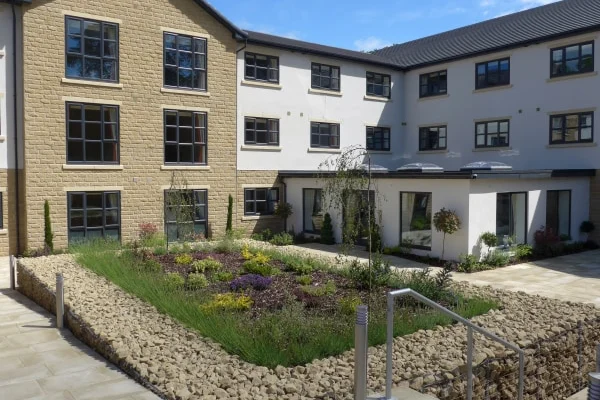

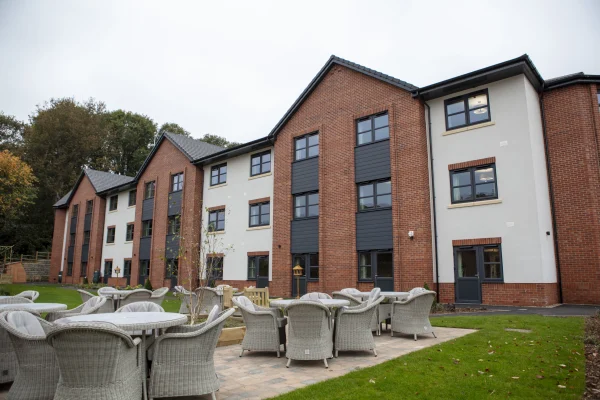

Care Provided by Kingston Nursing Home
Primary Care Categories
- Older Person Care
- Dementia
- Mental Health Condition
- Physical Disability
Length of Stay
- Permanent Care
- Respite Care
Care Types Provided
- Residential Care
- Nursing Care
- Dementia Residential Care
- Dementia Nursing Care
- For a maximum of 47 Service Users
Dementia Care Types
- Mild Dementia
- Moderate Dementia
- Advanced/Complex Dementia
Other Care Provided
- Parkinson's Disease
- Stroke
- Palliative / End of Life Care
- Acquired Brain Injury (ABI)
Facilities
- Own Furniture if required
- Smoking not permitted
- Close to Local shops
- Near Public Transport
- Lift
- Wheelchair Access
- Gardens
- Phone Point in own room
- Television point in own room
- Residents Internet Access
Funding & Fees
Weekly Charges per Person
The price(s) shown are provided by the care home. Contact Kingston Nursing Home for full pricing details and T&Cs.
Contact Kingston Nursing Home to confirm what's included and get a personalised quote
Funding Types Accepted
- Self-Funding (Private)
- Local Authority with Top-up
- Local Authority
- NHS Continuing Healthcare (CHC)
Support you may be entitled to
- If you choose a care home based in England, you may be eligible for NHS Funded Nursing Care (FNC), which helps cover the cost of nursing. This is worth £267.68 per week and is usually paid directly to the care home.
Good to Know
Owner
- Kich Operations Ltd
- Private Owned
Person in charge
- Tracey Robinson (Home Manager)
Local Authority / Social Services
Admission Information
- Mixed with both male-only and female-only unit(s)
- Ages 60+
Care Home Design/Build
- Purpose Built: No
- Last Refurbishment: 2003
Room Information
- Single Rooms (23)
- Couples/Companion Rooms (12)
Are you the Owner/Manager of Kingston Nursing Home?View your Advertising Options
Kingston Nursing Home Reviews (3)
Over all time Kingston Nursing Home has 3 reviews.
Filter Reviews
Overall Experience
Date Published
Reviewer Connection to Kingston Nursing Home
Loading...
Review from Gill B (Daughter of Resident) published on 16 August 2021 Submitted via Postal Card•
Overall Experience
Mum has been in Kingston for two periods of respite and now has to stay permanently. We have been very impressed with the level of care she has received so far. The staff are very friendly and kind to her, and also to us when we visit. The manager has been open and honest about the home and the...
Mum has been in Kingston for two periods of respite and now has to stay permanently. We have been very impressed with the level of care she has received so far. The staff are very friendly and kind to her, and also to us when we visit. The manager has been open and honest about the home and the care she is able to offer. She is always available if we have questions. I would recommend this home.
Review from Monica F (Daughter of Resident) published on 1 June 2021 Submitted via Website•
Overall Experience
I had to put my mother into Kingston on an emergency and not once did I have cold feet. From the manager to the carers and the chef, everyone was amazing for the 1 week that my mum was there. The staff are so caring and always on the go. I will not be looking for anywhere else but here for my...
I had to put my mother into Kingston on an emergency and not once did I have cold feet. From the manager to the carers and the chef, everyone was amazing for the 1 week that my mum was there. The staff are so caring and always on the go. I will not be looking for anywhere else but here for my mother stays. This home is amazing and anyone looking for their family for a lovely home. Please look no further put this one on the list for sure.
Review from Patrick J (Resident / Service User) published on 26 February 2021 Submitted via Website•
Overall Experience
Love living here, the staff are great and I could not think of living anywhere else. I have everything I want and need. Love the cat and the girls are great in the office they take me outside whenever I want to go. The food is nice too.
Love living here, the staff are great and I could not think of living anywhere else. I have everything I want and need. Love the cat and the girls are great in the office they take me outside whenever I want to go. The food is nice too.
Bed Vacancies
Please contact us for latest vacancies.
News (0) & Events (0)
News
There are no news items for Kingston Nursing Home.
Upcoming Events
There are no upcoming events for Kingston Nursing Home.
Awards / Recognitions (0)
There are currently no awards/recognitions posted yet for Kingston Nursing Home.
Accreditations
There are no accreditations posted yet for Kingston Nursing Home.
Meet the Team (0)
There are no Team Members posted yet.
Frequently Asked Questions about Kingston Nursing Home
What types of Care is Kingston Nursing Home registered for?
Older Person Care, Dementia, Mental Health Condition, Physical Disability are the registered (by the Care Quality Commission) categories of Care.
How many Rooms does Kingston Nursing Home have?
There are 23 Single Rooms and 12 Couples/Companion Rooms.
What are the Facilities & Services at Kingston Nursing Home?
Own Furniture if required, Smoking not permitted, Close to Local shops, Near Public Transport, Lift, Wheelchair Access, Gardens, Phone Point in own room, Television point in own room, Residents Internet Access are some of the Facilities & Services.
How far is Kingston Nursing Home to the centre of Leeds?
4.0 mile(s) as the crow flies, distance by road may be significantly further.
Information on this page is displayed without responsibility for its accuracy on the part of carehome.co.uk. Please contact Kingston Nursing Home to verify any information. View our terms and conditions. Kingston Nursing Home has a Basic Service -what a Basic Service includes.