Loading travel time



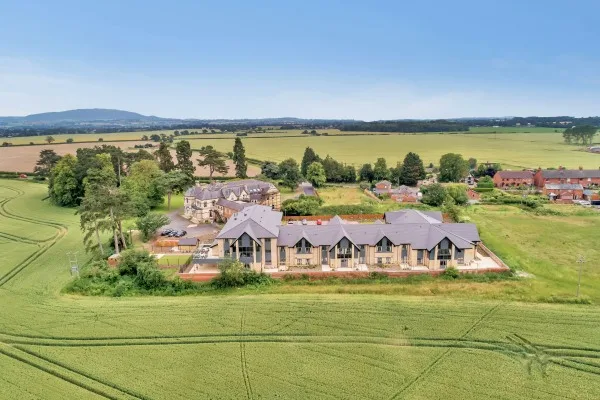

Care Provided by Ellesmere House
Primary Care Categories
- Older Person Care
- Dementia
- Mental Health Condition
- Physical Disability
Length of Stay
- Permanent Care
- Respite Care
Care Types Provided
- Residential Care
- Dementia Residential Care
- For a maximum of 28 Service Users
Dementia Care Types
- Mild Dementia
- Moderate Dementia
- Advanced/Complex Dementia
Other Care Provided
- Parkinson's Disease
- Stroke
- Palliative / End of Life Care
- COPD/Pulmonary Disease
- Bariatric Care/Obesity
- Convalescent Care
Facilities
- Pet Friendly (or by arrangement)
- Close to Local shops
- Lift
- Wheelchair Access
- Gardens
- Television point in own room
- Residents Internet Access
Funding & Fees
Weekly Charges per Person
Respite has a minimum stay of 2 weeks.
The price(s) shown are provided by the care home. Contact Ellesmere House for full pricing details and T&Cs.
Contact Ellesmere House to confirm what's included and get a personalised quote
Funding Types Accepted
- Self-Funding (Private)
- Local Authority with Top-up
- Local Authority
- NHS Continuing Healthcare (CHC)
Good to Know
Group / Owner
- BestCare Ltd
- Private Owned
Person in charge
- Alisha Chavda (Registered Manager)
Local Authority / Social Services
Admission Information
- Ages 65+
Care Home Design/Build
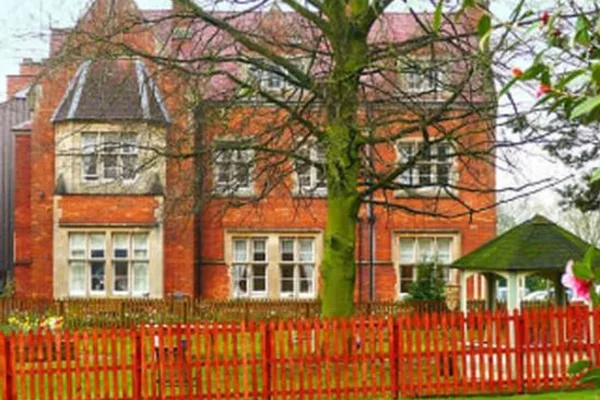
- Purpose Built: No
- Last Refurbishment: 2010
- Number of floors: 3
Room Information
- Single Rooms (28)
- Single Rooms with ensuite Wet Room (2)
Visiting
- All visitors a required to sign in and out.
Parking
- Car Park located half way up Church Hill on the left hand side. The front door is located at the bottom of the hill so once parked please walk back down the hill towards the main road.
Are you the Owner/Manager of Ellesmere House?View your Advertising Options
Ellesmere House Reviews (5)
Over all time Ellesmere House has 5 reviews.
Filter Reviews
Overall Experience
Date Published
Reviewer Connection to Ellesmere House
Loading...
Review from Mandie B (Daughter of Resident) published on 2 July 2021 Submitted via Website•
Overall Experience
My mother was beautifully cared for and had her independence facilitated and her dignity protected. She rallied health-wise during the first two years at Ellesmere House and was well protected during the Covid months until her demise, at the age of 94 in May 2021.
My mother was beautifully cared for and had her independence facilitated and her dignity protected. She rallied health-wise during the first two years at Ellesmere House and was well protected during the Covid months until her demise, at the age of 94 in May 2021.
Review from Susan J (Daughter of Resident) published on 25 June 2018 Submitted via Website•
Overall Experience
I couldn't praise this care home enough. My dad was wonderfully and kindly cared for during his 2 years as a resident there. I was surprised to read comments from previous reviews regarding the building. It is an old characterful property but it is safe for the residents and surely the level of...
I couldn't praise this care home enough. My dad was wonderfully and kindly cared for during his 2 years as a resident there. I was surprised to read comments from previous reviews regarding the building. It is an old characterful property but it is safe for the residents and surely the level of care and kindness given is more important than sterile surroundings. Safeguarding is important to the home; as an example, when my dad's mobility worsened, the home took the initiative and suggested that he be moved to a room on the ground floor. Regular activities are scheduled for the residents. They aren't compulsory but participation is encouraged and sessions are usually timetabled for quieter times during the day. The food is wonderful - our visits usually coincided with lunch or tea time. The Manager or one of the staff kept us updated with any health issues and towards the end of my dad's life with updates on his situation. We are so grateful he ended his days there.
Review from S W (Granddaughter of Resident) published on 10 July 2017 Submitted via Website•
Overall Experience
Avoid until major changes are made. They were fantastic at the end but not good enough during the very short stay.
There were some lovely staff but not all. Night staff are lovely.
Need more activities as I only ever witnessed them doing 2 over the time of stay.They wake up, sit in the...
Avoid until major changes are made. They were fantastic at the end but not good enough during the very short stay.
There were some lovely staff but not all. Night staff are lovely.
Need more activities as I only ever witnessed them doing 2 over the time of stay.They wake up, sit in the lounge and stay there still bed time and it's the same every day so more outings needed too.
Doors need fixing as well as draws and handles.
Review from Mary D (Daughter of Resident) published on 24 April 2017 Submitted via Website•
Overall Experience
I have read the reviews on site and when the heating went down this home did everything to accommodate the residents, they had heaters in bedrooms and in the lounge the residents had blankets, my mum was quite warm and comfortable and you can not give water bottles to some residents as they would...
I have read the reviews on site and when the heating went down this home did everything to accommodate the residents, they had heaters in bedrooms and in the lounge the residents had blankets, my mum was quite warm and comfortable and you can not give water bottles to some residents as they would have opened them and burnt themselves so water bottles could not be an option, this home looks after their residents well and 4 meals a day and snacks in between you could not wish for a better home or care for family member
Review from Pauline S (Wife of Resident) published on 21 April 2017 Submitted via Website•
Overall Experience
This home is not a suitable care home for anyone with challenging behaviour, Alzheimers or dementia. The house is an old building which is totally unsafe for anyone suffering from these problems. Staffing levels are not sufficient to monitor residents safely. In addition, some of the staff are...
This home is not a suitable care home for anyone with challenging behaviour, Alzheimers or dementia. The house is an old building which is totally unsafe for anyone suffering from these problems. Staffing levels are not sufficient to monitor residents safely. In addition, some of the staff are ill-trained in dementia care. The garden is very neglected and not safe or secure for residents. In February the central heating boiler broke down and residents, some of them very frail and vulnerable were without central heating and hot water for 12 days. A shameful and unacceptable situation for residents and something that should have been addressed far sooner by the owners of the care home.
Regulatory Rating
Care Quality Commission (CQC) Rating
Date: 27 January 2025Overall
Good
Good
- CaringGood
- EffectiveGood
- ResponsiveGood
- SafeGood
- Well-ledGood
Inspection ratings
We rate most services according to how safe, effective, caring, responsive and well-led they are, using four levels:
- Outstanding - The service is performing exceptionally well.
- Good - The service is performing well and meeting our expectations.
- Requires Improvement - The service isn't performing as well as it should and we have told the service how it must improve.
- Inadequate - The service is performing badly and we've taken action against the person or organisation that runs it.
- Not rated - we have not yet rated this area of the service, this is normally because the assessments we have carried out have been focused on other key questions.
Bed Vacancies
Please contact us for latest vacancies.
News (0) & Events (0)
News
There are no news items for Ellesmere House.
Upcoming Events
There are no upcoming events for Ellesmere House.
Awards / Recognitions (0)
There are currently no awards/recognitions posted yet for Ellesmere House.
Accreditations
There are no accreditations posted yet for Ellesmere House.
Meet the Team (0)
There are no Team Members posted yet.
Frequently Asked Questions about Ellesmere House
What types of Care is Ellesmere House registered for?
Older Person Care, Dementia, Mental Health Condition, Physical Disability are the registered (by the Care Quality Commission) categories of Care.
How many Rooms does Ellesmere House have?
There are 28 Single Rooms.
What are the Facilities & Services at Ellesmere House?
Pet Friendly (or by arrangement), Close to Local shops, Lift, Wheelchair Access, Gardens, Television point in own room, Residents Internet Access are some of the Facilities & Services.
How far is Ellesmere House to the centre of Ellesmere?
0.3 mile(s) as the crow flies, distance by road may be significantly further.
Information on this page is displayed without responsibility for its accuracy on the part of carehome.co.uk. Please contact Ellesmere House to verify any information. View our terms and conditions. Ellesmere House has a Basic Service -what a Basic Service includes.