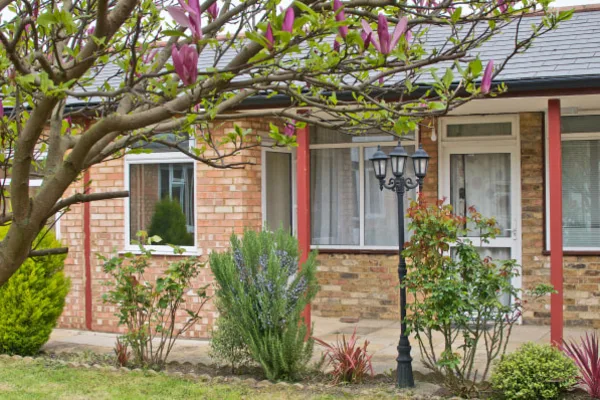
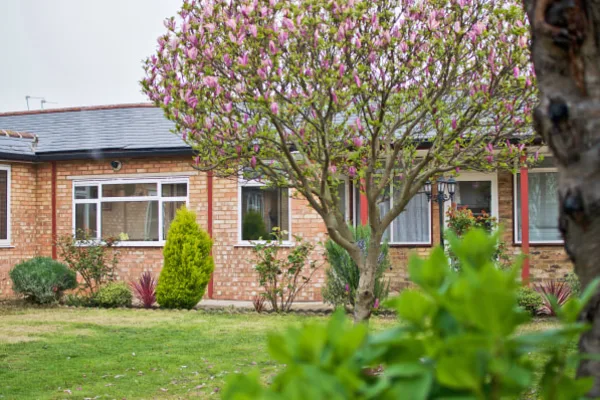
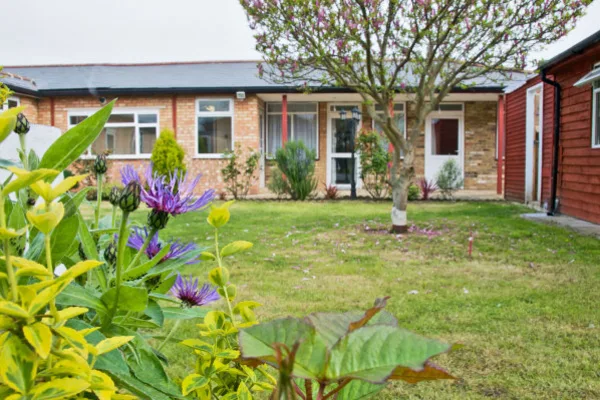
The Willows Nursing Home, situated in Southall offers a variety of services, including elderly, dementia, respite care and convalescence stays. It is within close proximity to the M25 and local shops, making it an ideal location.
The Willows Nursing Home offers single bedrooms, of which many have en-suite facilities and 9 en-suite wet rooms. Residents are strongly encouraged to personalise their rooms with their own furnishings in order to make them...
The Willows Nursing Home, situated in Southall offers a variety of services, including elderly, dementia, respite care and convalescence stays. It is within close proximity to the M25 and local shops, making it an ideal location.
The Willows Nursing Home offers single bedrooms, of which many have en-suite facilities and 9 en-suite wet rooms. Residents are strongly encouraged to personalise their rooms with their own furnishings in order to make them feel at home.
The team of dedicated staff aim to maintain each resident's dignity and provide a high quality of life, in a calm and personalised environment. The staff strive to understand each resident’s individual needs and build their own personal relationship with them. With comprehensive care assessments, regular monitoring and reviews, staff strive to provide the highest standard of care delivery.
The dedicated activity co-ordinators run regular varied programmes to suit all tastes. Whether it's learning about the internet, visiting local sites or simply a walk, there is something for everyone to enjoy. Staff make every effort to help residents continue with their own hobbies and interests or to take up something new. Reminiscence therapy is supported by Wi-Fi technology. Residents can, and are encouraged to, contact their relatives through either Skype or WhatsApp and they can also learn computer skills, including how to use the internet and e-mail.
The Willows Nursing Home host weekly Yoga 'keep-fit' sessions and musical entertainment is provided by professional artists throughout the year.
Meals are freshly prepared in-house, paying special attention to each resident’s dietary requirements.
The home is regularly visited by external health professionals including GPS, physiotherapists, dietitians, occupational therapists, a chiropodist, dentists and opticians, ensuring each resident is cared for thoroughly.
Loading travel time
Care Provided by The Willows Nursing Home
Primary Care Categories
Older Person Care
Dementia
Mental Health Condition
Physical Disability
Visual / Hearing Impairment
Younger Adults
Length of Stay
Permanent Care
Care Types Provided
Residential Care
Nursing Care
Dementia Residential Care
Dementia Nursing Care
For a maximum of 31 Service Users
Dementia Care Types
Mild Dementia
Moderate Dementia
Advanced/Complex Dementia
Other Care Provided
Parkinson's Disease
Stroke
Palliative / End of Life Care
Bariatric Care/Obesity
Convalescent Care
Day Care
Facilities
Own Furniture if required
Pet Friendly (or by arrangement)
Smoking not permitted
Close to Local shops
Near Public Transport
Minibus or other transport
Lift
Wheelchair Access
Gardens
Phone Point in own room
Television point in own room
Residents Internet Access
Funding & Fees
Weekly Charges per Person
Type of care
Permanent
Respite
Residential Care
£1,500 - £1,700
N/A
Residential Dementia Care
£1,550 - £1,750
N/A
Nursing Care
£1,600 - £1,800
N/A
Nursing Dementia Care
£1,650 - £1,850
N/A
Contact The Willows Nursing Home to confirm what's included and get a personalised quote:
The price(s) shown are provided by the care home. Contact The Willows Nursing Home for full pricing details and T&Cs.
Funding Types Accepted
Self-Funding (Private)
Local Authority with Top-up
Local Authority
NHS Continuing Healthcare (CHC)
Support you may be entitled to
If you choose a care home based in England, you may be eligible for NHS Funded Nursing Care (FNC), which helps cover the cost of nursing. This is worth £267.68 per week and is usually paid directly to the care home.
Tours
Onsite Tours of The Willows Nursing HomeUsually available on Fri(between 2:00 PM to 4:00 PM)We are conducting a drive-through visit for all family members on every Friday between 2 pm-4 pm. The length of the visit is maximum of 15 minutes while the family sits in their vehicle and the residents in the Parking lot with more than 2 meters distance at the front of the house. This is done in accordance with government and public health guidelines. Visitors restrictions are still in place except for essential business.
Remote Tours of The Willows Nursing HomeUsually available on Mon, Tue, Wed, Thu, Fri, Sat, Sun(between 11:00 AM to 4:00 PM)Zoom/ Whats app video calls are available all through the week. This is arranged individually for the family members on request. This can be done by contacting the Home and liaising with Activity Coordinator/ Home Administrator.
The Willows Nursing Home has a Review Score of 9.6 (9.563) out of 10, based on 22 reviews in the last 2 years. Over all time The Willows Nursing Home has 65 reviews.
Review from Karishma P (Relative of Resident) published on 21 November 2018 Submitted via Website•
Overall Experience
Very good care, second to none. The carers always have a smile on their faces. Food is good. The garden has plenty of flowers. They celebrate different festivals. I always felt very welcome at all times and I have seen staff sitting and talking to the elderly and reassuring them on different...
Very good care, second to none. The carers always have a smile on their faces. Food is good. The garden has plenty of flowers. They celebrate different festivals. I always felt very welcome at all times and I have seen staff sitting and talking to the elderly and reassuring them on different occasions.
My relative was being taken out on numerous occasions. The bedroom was good and well decorated. Overall very pleased with the care and compassion given by the whole team. Without a doubt, a very caring and homely place to be, where you know there is definitely good quality care. Thanks.
↩Reply from Diana Adlam, Director at The Willows Nursing Home
Thank you for your review. Our staff and home thrive to give the best environment for all residents and their families and friends to enjoy.
Facilities
Care / Support
Cleanliness
Treated with Dignity
Food & Drink
Staff
Activities
Management
Safety / Security
Rooms
Value for Money
Review from P R (Wife of Resident) published on 24 October 2018 Submitted via Postal Card•
Overall Experience
Very friendly and helpful staff. They take great care and provide the best service. We recommend Raj Nursing Home for service users. Thank you.
Very friendly and helpful staff. They take great care and provide the best service. We recommend Raj Nursing Home for service users. Thank you.
↩Reply from Diana Adlam, Director at The Willows Nursing Home
Thank you for your comments, our staff have always the interest of residents and to make them happy and within Raj Nursing Home.
Facilities
Care / Support
Cleanliness
Treated with Dignity
Food & Drink
Staff
Activities
Management
Safety / Security
Rooms
Value for Money
Review from Arlo (Friend of Resident) published on 2 October 2018 Submitted via Website•
Overall Experience
Raj Nursing Home is a very fantastic place to put your mom/dad in without any worries. I found the staff very reliable and honest. The staff, especially the nurse, was very well informed about the medication. The place organizes different activities at a different time. My friend's mom was in the...
Raj Nursing Home is a very fantastic place to put your mom/dad in without any worries. I found the staff very reliable and honest. The staff, especially the nurse, was very well informed about the medication. The place organizes different activities at a different time. My friend's mom was in the dementia wing and it really helps her remember things. I would highly recommend to anyone who requires quality service for their elderly's.
↩Reply from Diana Adlam, Director at The Willows Nursing Home
Thank you for your kind review, Raj Nursing Home is always looking to strive to make the home a happy place to live.
Facilities
Care / Support
Cleanliness
Treated with Dignity
Food & Drink
Staff
Activities
Management
Safety / Security
Rooms
Value for Money
Review from Daisy (Daughter of Resident) published on 6 October 2017 Submitted via Website•
Overall Experience
My mother suffers from Lewy Body Dementia and moved into Raj House in April 2017. As her dementia has worsened, my mother has been speaking more in her mother tongue (Punjabi) so I was very keen for her to live in a Punjabi care home.
The staff at Raj House have been very caring and patient in...
My mother suffers from Lewy Body Dementia and moved into Raj House in April 2017. As her dementia has worsened, my mother has been speaking more in her mother tongue (Punjabi) so I was very keen for her to live in a Punjabi care home. The staff at Raj House have been very caring and patient in coping with my mother's condition. The quality of care is excellent as is the wonderful home-cooked Indian food.
My mother definitely feels at home at Raj House and is happier than she has been in a long time.
Facilities
Care / Support
Cleanliness
Treated with Dignity
Food & Drink
Staff
Activities
Management
Safety / Security
Rooms
Value for Money
Review from Satish S (Friend of Resident) published on 13 September 2017 Submitted via Website•
Overall Experience
Welcoming, homely, friendly staff, very clean, nice food, good manager who met us with a smile, easy to approach. Staff looked very caring and paid attention to the clients.
I would recommend this home to my relatives and friends.
Welcoming, homely, friendly staff, very clean, nice food, good manager who met us with a smile, easy to approach. Staff looked very caring and paid attention to the clients.
I would recommend this home to my relatives and friends.
Facilities
Care / Support
Cleanliness
Treated with Dignity
Food & Drink
Staff
Activities
Management
Safety / Security
Rooms
Value for Money
Regulatory Rating
Care Quality Commission (CQC) Rating
Date: 24 June 2024
Overall Good
CaringGood
EffectiveGood
ResponsiveGood
SafeGood
Well-ledGood
Inspection ratings
We rate most services according to how safe, effective, caring, responsive and well-led they are, using four levels:
Outstanding - The service is performing exceptionally well.
Good - The service is performing well and meeting our expectations.
Requires Improvement - The service isn't performing as well as it should and we have told the service how it must improve.
Inadequate - The service is performing badly and we've taken action against the person or organisation that runs it.
Not rated - we have not yet rated this area of the service, this is normally because the assessments we have carried out have been focused on other key questions.
Care Quality Commission is responsible for the registration and inspection of social care services in England.View Latest Report
Bed Vacancies
Please contact us for latest vacancies.
News (0) & Events (0)
News
There are no news items for The Willows Nursing Home.
Upcoming Events
There are no upcoming events for The Willows Nursing Home.
Awards / Recognitions (0)
There are currently no awards/recognitions posted yet for The Willows Nursing Home.
Accreditations
There are no accreditations posted yet for The Willows Nursing Home.
Meet the Team (1)
Teshwar SeeratunJob Title Home managerJoined 2026
New Home Manager
Information on this page is displayed without responsibility for its accuracy on the part of carehome.co.uk. Please contact The Willows Nursing Home to verify any information. View our terms and conditions. The Willows Nursing Home has an Enhanced Service -what an Enhanced Service includes.