Loading travel time




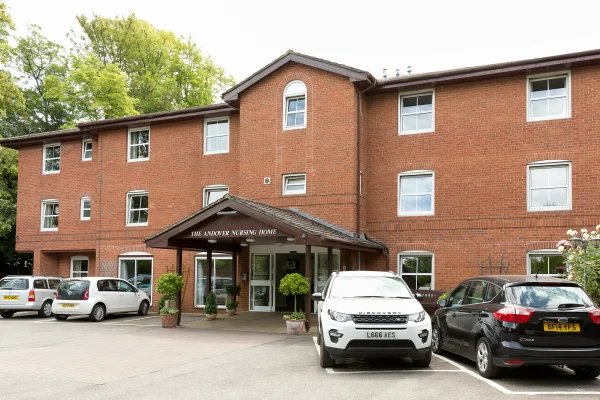

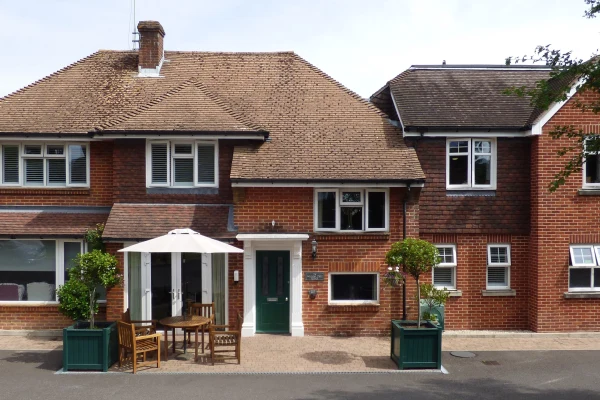

Care Provided by Freegrove
Primary Care Categories
- Older Person Care
- Dementia
Length of Stay
- Permanent Care
- Respite Care
Care Types Provided
- Residential Care
- Dementia Residential Care
- For a maximum of 17 Service Users
Dementia Care Types
- Mild Dementia
- Moderate Dementia
Facilities
- Own Furniture if required
- Smoking not permitted
- Close to Local shops
- Near Public Transport
- Minibus or other transport
- Lift
- Wheelchair Access
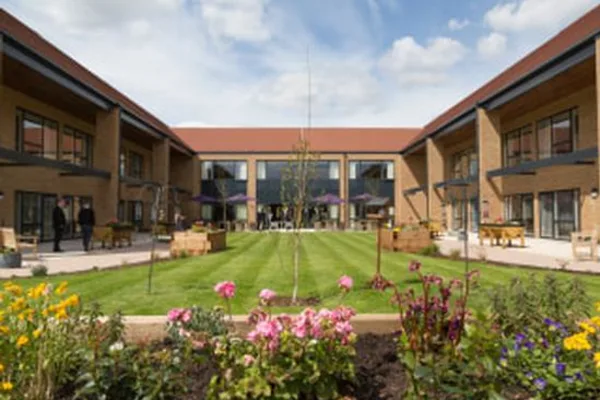
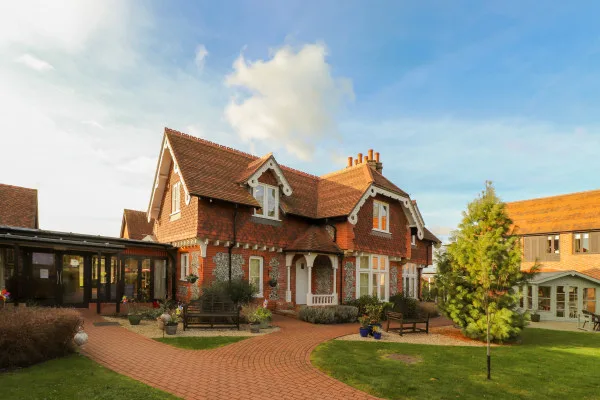
- Gardens
Funding & Fees
Dementia care is calculated by an individual assessment.
Contact Freegrove to confirm what's included and get a personalised quote
Funding Types Accepted
- Self-Funding (Private)
- Local Authority with Top-up
- Local Authority
- NHS Continuing Healthcare (CHC)
Good to Know
Owner
- Charlotte Duffin
- Private Owned
Person in charge
- Charlotte Duffin (Manager)
Local Authority / Social Services
Admission Information
- Ages 65+
Care Home Design/Build
- Purpose Built: No
Room Information
- Single Rooms (13)
- Couples/Companion Rooms (2)
Are you the Owner/Manager of Freegrove?View your Advertising Options
Freegrove Reviews (2)
8.5
Freegrove has a Review Score of 8.5 (8.539) out of 10, based on 2 reviews in the last 2 years.
Over all time Freegrove has 2 reviews.
Filter Reviews
Overall Experience
Date Published
Reviewer Connection to Freegrove
Loading...
Review from Andrew L (Son of Resident) published on 27 June 2026 Submitted via Website•
Overall Experience
My mother has been a resident for just over two years and is very well looked after. When she first arrived she had just lost her husband, who had been her carer, and needed a high degree of daily support which the family just could not provide. It was a scary time and we were reliant on the home...
My mother has been a resident for just over two years and is very well looked after. When she first arrived she had just lost her husband, who had been her carer, and needed a high degree of daily support which the family just could not provide. It was a scary time and we were reliant on the home providing the physical and emotional support she desperately needed. The transition was smooth and the associated stress minimized. Two years on, mum is settled, comfortable, cared for and is at ease living there. The staff are attentive and always welcoming to family visits and interaction. A major plus for me was their willingness to assist with medical help as mum requires a lot of daily mediation, much of which had become a burden after my father passed away. They also have a strong connection was mum's GP, which is a huge benefit.
I can, without question, recommend Freegrove. They stepped in and helped when my family needed it most and for that I will always be grateful.
Review from Nigel B (Son of Resident) published on 22 April 2026 Submitted via Website•
Overall Experience
This care home is a Gem. My Step Father has been here well over a year now and his care is 2nd to none. Having experienced some poor care homes prior to Freegrove it was very re assuring to find my Father in such good shape given his multiple health issues.
Emma runs a first class team. They...
This care home is a Gem. My Step Father has been here well over a year now and his care is 2nd to none. Having experienced some poor care homes prior to Freegrove it was very re assuring to find my Father in such good shape given his multiple health issues.
Emma runs a first class team. They demonstrate the highest levels of empathy , respect and diligence. From day one they worked with Dads previous carer to follow a successful care plane and give continuity which he thrives upon. When visiting they make us feel at home as well and Mum leaves the home without any worries/concerns over his safekeeping.
It is one of the biggest headaches that most families go through when they place a loved one in care of a home but I can safely say that we soon realised that Mum had made the right choice.
Regulatory Rating
Care Quality Commission (CQC) Rating
Date: 04 January 2019Overall
Good
Good
- CaringGood
- EffectiveGood
- ResponsiveGood
- SafeGood
- Well-ledRequires improvement
Inspection ratings
We rate most services according to how safe, effective, caring, responsive and well-led they are, using four levels:
- Outstanding - The service is performing exceptionally well.
- Good - The service is performing well and meeting our expectations.
- Requires Improvement - The service isn't performing as well as it should and we have told the service how it must improve.
- Inadequate - The service is performing badly and we've taken action against the person or organisation that runs it.
- Not rated - we have not yet rated this area of the service, this is normally because the assessments we have carried out have been focused on other key questions.
Bed Vacancies
Please contact us for latest vacancies.
News (0) & Events (0)
News
There are no news items for Freegrove.
Upcoming Events
There are no upcoming events for Freegrove.
Awards / Recognitions (0)
There are currently no awards/recognitions posted yet for Freegrove.
Accreditations
There are no accreditations posted yet for Freegrove.
Meet the Team (0)
There are no Team Members posted yet.
Frequently Asked Questions about Freegrove
What types of Care is Freegrove registered for?
Older Person Care, Dementia are the registered (by the Care Quality Commission) categories of Care.
How many Rooms does Freegrove have?
There are 13 Single Rooms and 2 Couples/Companion Rooms.
What are the Facilities & Services at Freegrove?
Own Furniture if required, Smoking not permitted, Close to Local shops, Near Public Transport, Minibus or other transport, Lift, Wheelchair Access, Gardens are some of the Facilities & Services.
How far is Freegrove to the centre of Lymington?
1.0 mile(s) as the crow flies, distance by road may be significantly further.
Information on this page is displayed without responsibility for its accuracy on the part of carehome.co.uk. Please contact Freegrove to verify any information. View our terms and conditions. Freegrove has a Basic Service -what a Basic Service includes.