Loading travel time





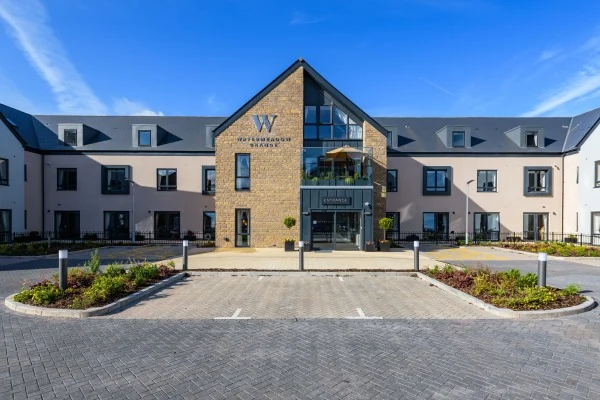

Care Provided by Durnsford Lodge Residential Home
Primary Care Categories
- Older Person Care
- Dementia
- Younger Adults
Length of Stay
- Permanent Care
- Respite Care
Care Types Provided
- Residential Care
- Dementia Residential Care
- For a maximum of 28 Service Users
Dementia Care Types
- Mild Dementia
- Moderate Dementia
Other Care Provided
- Parkinson's Disease
- Stroke
- Palliative / End of Life Care
- COPD/Pulmonary Disease
- Bariatric Care/Obesity
- Convalescent Care
Facilities
- Own Furniture if required
- Pet Friendly (or by arrangement)
- Close to Local shops
- Near Public Transport
- Lift
- Stairlift
- Wheelchair Access
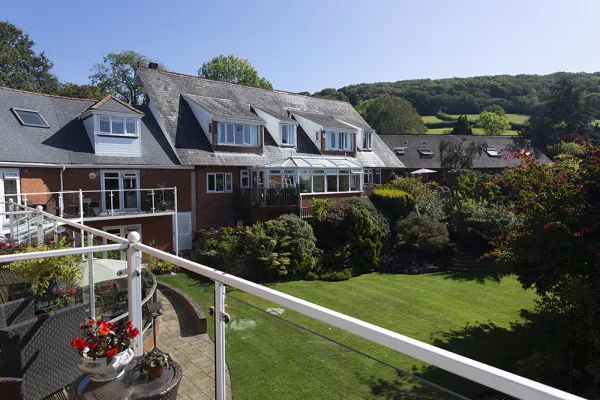
- Gardens
- Residents Kitchenette
- Phone Point in own room
- Television point in own room
- Residents Internet Access
Funding & Fees
All fees are subject to individual assessment of your needs and requirements. Fees may increase if you require one to one support.
Contact Durnsford Lodge Residential Home to confirm what's included and get a personalised quote
Funding Types Accepted
- Self-Funding (Private)
- Local Authority with Top-up
- Local Authority
- NHS Continuing Healthcare (CHC)
Good to Know
Owner
- Durnsford Lodge Ltd
- Private Owned
Person in charge
- Jayanthi Antony (Registered Manager)
Local Authority / Social Services
Admission Information
- Ages 60+
Care Home Design/Build
- Purpose Built: No
- Last Refurbishment: 2015
- Number of floors: 2
Room Information
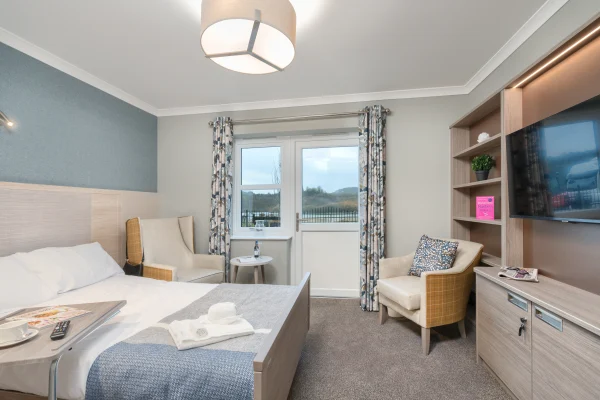
- Single Rooms (20)
- Couples/Companion Rooms (4)
- Single Rooms with ensuite Wet Room (4)
Parking
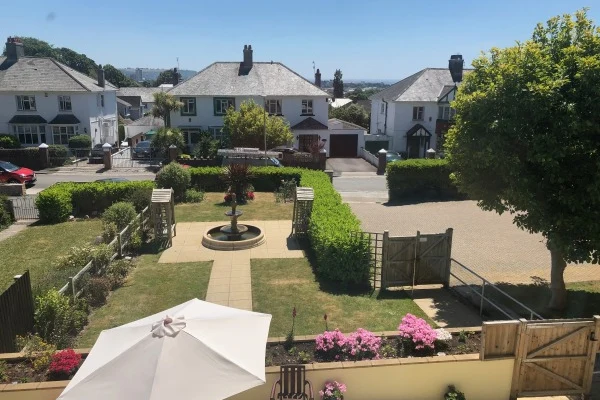
- Large car park at the front of the building and a public car park just over the road.
Are you the Owner/Manager of Durnsford Lodge Residential Home?View your Advertising Options
Durnsford Lodge Residential Home Reviews (7)
9.0
Durnsford Lodge Residential Home has a Review Score of 9.0 (9.046) out of 10, based on 4 reviews in the last 2 years.
Over all time Durnsford Lodge Residential Home has 7 reviews.
Filter Reviews
Overall Experience
Date Published
Reviewer Connection to Durnsford Lodge Residential Home
Loading...
Review from P T (Son of Resident) published on 30 September 2025 Submitted via Website•
Overall Experience
From the first minute that I made contact with Durnsford Lodge, I was treated with the utmost respect. Very professional staff and the common touch which was very important to me.
Mum is very happy and content there. Routine and stability is very important to her and that's what Durnsford Lodge...
From the first minute that I made contact with Durnsford Lodge, I was treated with the utmost respect. Very professional staff and the common touch which was very important to me.
Mum is very happy and content there. Routine and stability is very important to her and that's what Durnsford Lodge offers her every day.
Mum is very happy and content there. Routine and stability is very important to her and that's what Durnsford Lodge offers her every day.
The management have been great with me and the staff are very caring and friendly.
↩Reply from Martine Williams, Registered Manager at Durnsford Lodge Residential Home
Thank you for your lovely review. We are all pleased your mum has settled in well and is enjoying being with us.
Review from Brian B (Cousin of Resident) published on 14 March 2025 Submitted via Website•
Overall Experience
My cousin has lived at Durnsford Lodge for five years. I am so grateful that
she has been so well looked after.The staff are excellent and make visitors very welcome. The home is always clean and tidy to a high standard.
My cousin has lived at Durnsford Lodge for five years. I am so grateful that
she has been so well looked after.The staff are excellent and make visitors very welcome. The home is always clean and tidy to a high standard.
↩Reply from Martine Williams, Registered Manager at Durnsford Lodge Residential Home
Thank you for your lovely comments. I am so pleased you are happy with the care your cousin receives along with the warm welcome you receive when visiting. I will ensure to pass your comments on to the staff team.
Review from Philip K (Son of Resident) published on 6 November 2024 Submitted via Website•
Overall Experience
Helpful, caring staff who undertake their job in a professional manner. The home is very clean and my dad is well looked after and happy in himself.
Communication with the home is good and there are continuous improvements to the facilities/home.
Helpful, caring staff who undertake their job in a professional manner. The home is very clean and my dad is well looked after and happy in himself.
Communication with the home is good and there are continuous improvements to the facilities/home.
Review from Lisa D (Friend of Resident) published on 23 October 2024 Submitted via Website•
Overall Experience
Durnsford Lodge has the most compassionate staff members.
After a bad experience with a previous care home we are so thankful that we were able to move our loved one here.
They have settled her in very well and have helped her to make this her home.
After a bad experience with a previous care home we are so thankful that we were able to move our loved one here.
They have settled her in very well and have helped her to make this her home.
We can all start to settle and feel happier...
Durnsford Lodge has the most compassionate staff members.
After a bad experience with a previous care home we are so thankful that we were able to move our loved one here.
They have settled her in very well and have helped her to make this her home.
After a bad experience with a previous care home we are so thankful that we were able to move our loved one here.
They have settled her in very well and have helped her to make this her home.
We can all start to settle and feel happier now she has found somewhere that she feels settled and happy.
↩Reply from Martine, Home Manager at Durnsford Lodge Residential Home
Thank you for your lovely review. It is important to us that the home feels like a home from home and that we have been able to assist in making the family and your family member settled and happy.
Review from Lorraine W (Wife of Resident) published on 6 August 2024 Submitted via Website•
Overall Experience
Durnsford Lodge is an excellent residential home, the care my husband received there was very professional, and friendly, and I would recommend them to anyone considering choosing a home for their loved ones!
Durnsford Lodge is an excellent residential home, the care my husband received there was very professional, and friendly, and I would recommend them to anyone considering choosing a home for their loved ones!
↩Reply from Martine Williams, Home Manager at Durnsford Lodge Residential Home
Thank you for your kind words, this is greatly appreciated. Your husband is a lovely gentleman that has made us all laugh and smile. We wish you all the best, from Durnsford Lodge.
Review from C K (Brother of Resident) published on 26 July 2023 Submitted via Website•
Overall Experience
Poor experience of this establishment.
Rather strange, with a range of reviews most likely unverified in some cases. Durnsford Lodge CQC report indicates requires improvement overall. This appears to have been the situation for some considerable time.
Rather strange, with a range of reviews most likely unverified in some cases. Durnsford Lodge CQC report indicates requires improvement overall. This appears to have been the situation for some considerable time.
I wish Durnsford Lodge an improved CQC report...
Poor experience of this establishment.
Rather strange, with a range of reviews most likely unverified in some cases. Durnsford Lodge CQC report indicates requires improvement overall. This appears to have been the situation for some considerable time.
Rather strange, with a range of reviews most likely unverified in some cases. Durnsford Lodge CQC report indicates requires improvement overall. This appears to have been the situation for some considerable time.
I wish Durnsford Lodge an improved CQC report moving forward.
Review from Nick H (Son of Resident) published on 6 March 2019 Submitted via Website•
Overall Experience
I cannot thank the staff enough for the fantastic way they looked after my dad until he sadly passed away. It was a great comfort to my mum and the rest of the family to know the love and dignity with which he was treated and the way they also looked after my mum on her visits. Despite his failing...
I cannot thank the staff enough for the fantastic way they looked after my dad until he sadly passed away. It was a great comfort to my mum and the rest of the family to know the love and dignity with which he was treated and the way they also looked after my mum on her visits. Despite his failing health, they always sought his consent for any care and treated him as an individual. Food was excellent and the home was always clean. I cannot recommend this home highly enough.
Bed Vacancies
Please contact us for latest vacancies.
News (0) & Events (0)
News
There are no news items for Durnsford Lodge Residential Home.
Upcoming Events
There are no upcoming events for Durnsford Lodge Residential Home.
Awards / Recognitions (0)
There are currently no awards/recognitions posted yet for Durnsford Lodge Residential Home.
Accreditations
There are no accreditations posted yet for Durnsford Lodge Residential Home.
Meet the Team (0)
There are no Team Members posted yet.
Frequently Asked Questions about Durnsford Lodge Residential Home
What types of Care is Durnsford Lodge Residential Home registered for?
Older Person Care, Dementia, Younger Adults are the registered (by the Care Quality Commission) categories of Care.
How many Rooms does Durnsford Lodge Residential Home have?
There are 20 Single Rooms and 4 Couples/Companion Rooms.
What are the Facilities & Services at Durnsford Lodge Residential Home?
Own Furniture if required, Pet Friendly (or by arrangement), Close to Local shops, Near Public Transport, Lift, Stairlift, Wheelchair Access, Gardens, Residents Kitchenette, Phone Point in own room, Television point in own room, Residents Internet Access are some of the Facilities & Services.
How far is Durnsford Lodge Residential Home to the centre of Plymouth?
1.2 mile(s) as the crow flies, distance by road may be significantly further.
Information on this page is displayed without responsibility for its accuracy on the part of carehome.co.uk. Please contact Durnsford Lodge Residential Home to verify any information. View our terms and conditions. Durnsford Lodge Residential Home has a Basic Service -what a Basic Service includes.