The progress she made in her six-week stay is unbelievable and it's all down to the excellent careBridget F(Daughter of Resident/Service User)
The progress she made in her six-week stay is unbelievable and it's all down to the excellent careBridget F(Daughter of Resident/Service User)
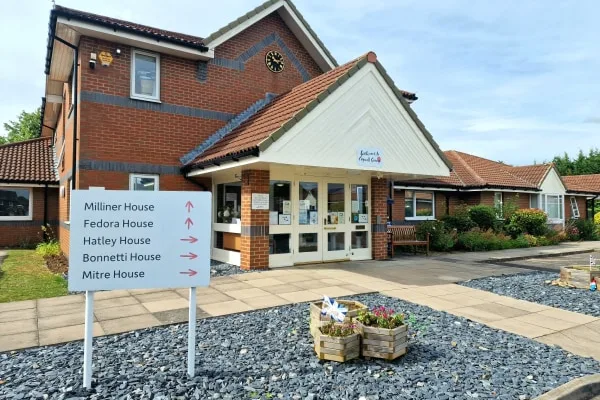
Situated in a pleasant residential area of Luton, Capwell Grange has been purpose-built and designed to provide personalised residential, nursing and dementia care.
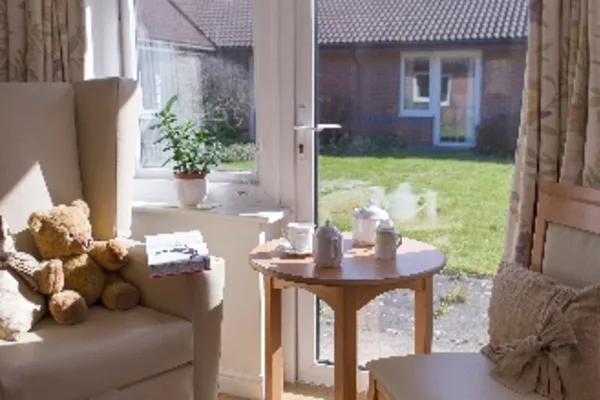
Recently refurbished, the home offers a range of spaces for residents to relax, pursue their hobbies and interests and socialise. From the cosy sitting rooms to the pretty landscaped garden and patio, Capwell Grange is a place which people are proud to call home.
The catering team...
Situated in a pleasant residential area of Luton, Capwell Grange has been purpose-built and designed to provide personalised residential, nursing and dementia care.
Recently refurbished, the home offers a range of spaces for residents to relax, pursue their hobbies and interests and socialise. From the cosy sitting rooms to the pretty landscaped garden and patio, Capwell Grange is a place which people are proud to call home.
The catering team at Capwell Grange understands the nutritional needs of older people and creates delicious meals to ensure a lovely dining experience for all residents and visitors. In the spacious dining rooms, residents are able to enjoy meals with fellow residents or welcome loved ones to visit.
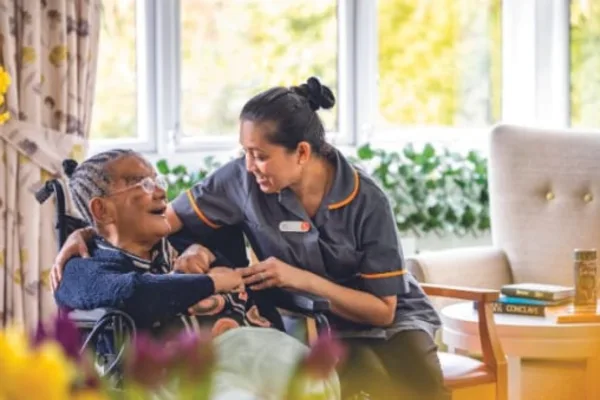
Meanwhile, the dedicated and professional care team at Capwell Grange likes to learn about residents' hobbies and interests to design a comprehensive activity programme, supporting those living at Capwell Grange to enjoy the things they love most. They also appreciate the importance of wider connections, so from building relationships with neighbours in local community groups and schools to arranging sightseeing trips in the local area, at Capwell Grange, residents are always encouraged to take an active role in the Luton community.
Loading travel time
Care Provided by Capwell Grange Care Home
Primary Care Categories
Older Person Care
Dementia
Mental Health Condition
Physical Disability
Visual / Hearing Impairment
Length of Stay
Permanent Care
Respite Care
Care Types Provided
Residential Care
Nursing Care
Dementia Residential Care
Dementia Nursing Care
For a maximum of 146 Service Users
Dementia Care Types
Moderate Dementia
Other Care Provided
Parkinson's Disease
Palliative / End of Life Care
Convalescent Care
Facilities
Own Furniture if required
Pet Friendly (or by arrangement)
Close to Local shops
Near Public Transport
Gardens
Phone Point in own room
Television point in own room
Residents Internet Access
Funding & Fees
Weekly Charges per Person
Type of care
Permanent
Respite
Residential Care
From £1,211
From £1,332
Residential Dementia Care
From £1,242
From £1,366
Nursing Care
From £1,449
From £1,596
Nursing Dementia Care
From £1,449
From £1,596
Contact Capwell Grange Care Home to confirm what's included and get a personalised quote:
The price(s) shown are provided by the care home. Contact Capwell Grange Care Home for full pricing details and T&Cs.
Funding Types Accepted
Self-Funding (Private)
Local Authority with Top-up
Local Authority
NHS Continuing Healthcare (CHC)
Support you may be entitled to
If you choose a care home based in England, you may be eligible for NHS Funded Nursing Care (FNC), which helps cover the cost of nursing. This is worth £267.68 per week and is usually paid directly to the care home.
Capwell Grange Care Home has a Review Score of 9.8 (9.773) out of 10, based on 36 reviews in the last 2 years. Over all time Capwell Grange Care Home has 185 reviews.
Review from Doreen B (Wife of Resident) published on 30 June 2016 Submitted via Review Postal Card•
Overall Experience
My husband is very well cared for, the staff are very friendly and helpful.
My husband is very well cared for, the staff are very friendly and helpful.
↩Reply from Emily Wilson, Customer Service Administrator at Capwell Grange Care Home
Thank you for your review. We are pleased to hear about your positive experience and appreciate your comments of our home and will share your comments with the home’s manager. The Bupa Customer Care Team
Facilities
Care / Support
Cleanliness
Treated with Dignity
Food & Drink
Staff
Activities
No Rating
Management
Safety / Security
Rooms
Value for Money
Review from Peter (Son of Resident) published on 24 June 2016 Submitted via Review Postal Card•
Overall Experience
The staff are kind, friendly and always helpful. I find the staff are always willing to help with any problems which occur eg. accompanying my mother to hospital, calling the doctor whenever necessary, letting me know if she has any problems.
The staff are kind, friendly and always helpful. I find the staff are always willing to help with any problems which occur eg. accompanying my mother to hospital, calling the doctor whenever necessary, letting me know if she has any problems.
↩Reply from Rachel Elliott, Customer Service Administrator at Capwell Grange Care Home
Thank you for your review. We are pleased to hear about your positive experience and appreciate your comments of our home and will share your comments with the home’s manager. The Bupa Customer Care Team
Facilities
Care / Support
Cleanliness
Treated with Dignity
Food & Drink
Staff
Activities
Management
Safety / Security
Rooms
Value for Money
Review from Bob S (Husband of Resident) published on 11 December 2015 Submitted via Review Postal Card•
Overall Experience
My wife is settled in very well and seems to be content and happy in the environment. All services are excellent and the staff are very kind and she gets on with them all.
My wife is settled in very well and seems to be content and happy in the environment. All services are excellent and the staff are very kind and she gets on with them all.
Facilities
Care / Support
Cleanliness
Treated with Dignity
Food & Drink
Staff
Activities
Management
Safety / Security
Rooms
Value for Money
Review from Marian R (Wife of Resident) published on 24 November 2015 Submitted via Review Postal Card•
Overall Experience
My review covers 12 years. Initially, I was attracted to the home because of the cleanliness in the building and the friendly atmosphere. During my frequent visits over the years, both of these attributes remain.
I am encouraged to treat the home as my husband's second family home and he is a...
My review covers 12 years. Initially, I was attracted to the home because of the cleanliness in the building and the friendly atmosphere. During my frequent visits over the years, both of these attributes remain.
I am encouraged to treat the home as my husband's second family home and he is a member of that family. The staff work extremely hard to look after the residents who all suffer with different forms of dementia. Their work is far from easy and yet they manage to smile despite the difficulties that they face day in day out.
Facilities
Care / Support
Cleanliness
Treated with Dignity
Food & Drink
Staff
Activities
Management
Safety / Security
Rooms
Value for Money
Review from D B (Husband of Resident) published on 24 November 2015 Submitted via Review Postal Card•
Overall Experience
The environment is good. The staff are caring and competent. Food is very good.
The environment is good. The staff are caring and competent. Food is very good.
Facilities
Care / Support
Cleanliness
Treated with Dignity
Food & Drink
Staff
Activities
Management
Safety / Security
Rooms
Value for Money
Regulatory Rating
Care Quality Commission (CQC) Rating
Date: 11 June 2026
Overall Good
CaringGood
EffectiveGood
ResponsiveGood
SafeGood
Well-ledGood
Inspection ratings
We rate most services according to how safe, effective, caring, responsive and well-led they are, using four levels:
Outstanding - The service is performing exceptionally well.
Good - The service is performing well and meeting our expectations.
Requires Improvement - The service isn't performing as well as it should and we have told the service how it must improve.
Inadequate - The service is performing badly and we've taken action against the person or organisation that runs it.
Not rated - we have not yet rated this area of the service, this is normally because the assessments we have carried out have been focused on other key questions.
Care Quality Commission is responsible for the registration and inspection of social care services in England.View Latest Report
Bed Vacancies
Please contact us for latest vacancies.
News (15) & Events (0)
News
16 Feb 2026
Residents and staff at Capwell Grange Care Home in Luton, Bedfordshire, celebrated Valentine’s Day with a week full of love, laughter and meaningful moments. Throughout the week, the home hosted...
10 Feb 2026
Residents at Capwell Grange Care Home in Luton, Bedfordshire, have been getting into the Valentine’s spirit with a heart-warming craft session designed to spread joy throughout the home. Residents took...
29 Jan 2026
Residents Celebrate Burns Night with Scottish-Themed Festivities at Capwell Grange Care Home Residents at HC-One’s Capwell Grange Care Home in Luton, Bedfordshire, recently enjoyed a lively celebration of Burns Night,...
Upcoming Events
There are no upcoming events for Capwell Grange Care Home.
There are no accreditations posted yet for Capwell Grange Care Home.
Meet the Team (1)
Nicky BerryJob Title Home Manager
Introducing Nicky Berry
Home Manager at Capwell Grange, Luton
What does ‘kindness’ mean to you?
“Being thoughtful of others at all times, helping...
Introducing Nicky Berry
Home Manager at Capwell Grange, Luton
What does ‘kindness’ mean to you?
“Being thoughtful of others at all times, helping and supporting one another.”
As a dedicated healthcare professional, Nicky has gained a wealth of experience in providing care and nursing support to elderly people, to enrich their lives. She is a knowledgeable and dedicated leader who is passionate about delivering the highest standards in care and quality of life for Residents.
Nicky has been a Care Home Manager for 14 years and will be involved in the general running of the home as well as ensuring all the Residents are safe, happy and are given the best care possible. She will provide a safe work environment for colleagues and ensure they have the skills and abilities to care for all our Residents.
Having lived in Luton for most of her life, Nicky works hard to arrange events and activities with nearby schools and clubs and is always keen to include the local community in life at Capwell Grange.
When asked what she enjoys most about her role, Nicky remarked:
“Supporting a team to improve quality of care and achieve positive outcomes for those that reside in the Care Home.”
Outside of work, Nicky enjoys walking her dog, caring for her grandchildren and she is also a fan of reading fictional crime books.
If you would like to find out more information about Capwell Grange, Nicky has an ‘Open Door Policy’ and would be pleased to welcome you for an informal discussion.
Information on this page is displayed without responsibility for its accuracy on the part of carehome.co.uk. Please contact Capwell Grange Care Home to verify any information. View our terms and conditions. Capwell Grange Care Home has an Enhanced Service -what an Enhanced Service includes.