Loading travel time



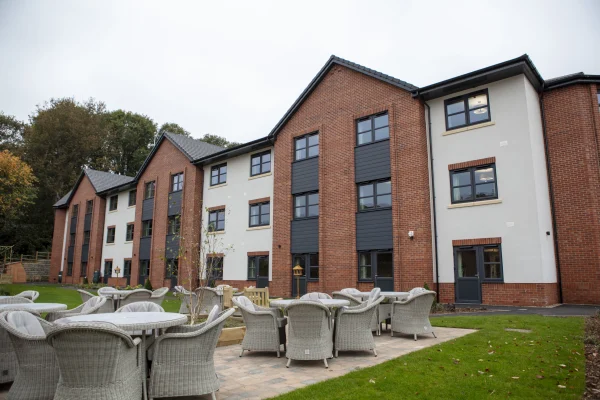


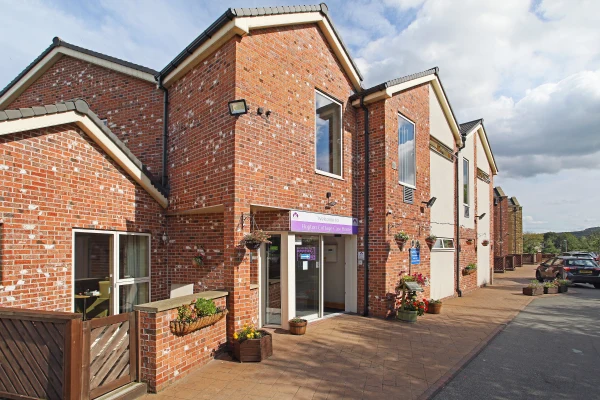

Care Provided by Claremount House Care Home
Primary Care Categories
- Older Person Care
- Dementia
- Mental Health Condition
Length of Stay
- Permanent Care
- Respite Care
Care Types Provided
- Nursing Care
- Dementia Nursing Care
- For a maximum of 23 Service Users
Dementia Care Types
- Moderate Dementia
- Advanced/Complex Dementia
Facilities
- Own Furniture if required
- Smoking not permitted
- Near Public Transport
- Lift
- Wheelchair Access
- Gardens
- Residents Kitchenette
- Television point in own room
Funding & Fees
Weekly Charges per Person
The price(s) shown are provided by the care home. Contact Claremount House Care Home for full pricing details and T&Cs.
Contact Claremount House Care Home to confirm what's included and get a personalised quote
Funding Types Accepted
- Self-Funding (Private)
- Local Authority with Top-up
- Local Authority
- NHS Continuing Healthcare (CHC)
Support you may be entitled to
- If you choose a care home based in England, you may be eligible for NHS Funded Nursing Care (FNC), which helps cover the cost of nursing. This is worth £267.68 per week and is usually paid directly to the care home.
Good to Know
Group / Owner
- Visionary Care Ltd
- Private Owned
Person in charge
- Vida Corrieh (Manager)
Local Authority / Social Services
Admission Information
- Ages 65+
Care Home Design/Build
- Purpose Built: Yes
- Last Refurbishment: 2001
Room Information
- Single Rooms (23)
Are you the Owner/Manager of Claremount House Care Home?View your Advertising Options
Claremount House Care Home Reviews (3)
Over all time Claremount House Care Home has 3 reviews.
Filter Reviews
Overall Experience
Date Published
Reviewer Connection to Claremount House Care Home
Loading...
Review from O O (Friend of Resident) published on 31 July 2024 Submitted via Postal Card•
Overall Experience
This care home has to be the most promising one that I've visited. The staff are so friendly, kind, caring, and welcoming. Nothing is ever too much. They demonstrate their care by their words and body language, treating each and every one of the residents with the utmost care and dignity. The staff...
This care home has to be the most promising one that I've visited. The staff are so friendly, kind, caring, and welcoming. Nothing is ever too much. They demonstrate their care by their words and body language, treating each and every one of the residents with the utmost care and dignity. The staff always make time to chat and offer a drink every visit. The atmosphere is calm and safe. You can just feel the staff enjoy their work. Excellent!
Review from Nancy P (Partner of Resident) published on 9 July 2024 Submitted via Postal Card•
Overall Experience
I have no complaints at all about the home, everything is extremely good.
My partner has been looked after for 2 years and everyone is so kind and thoughtful. Thank you.
I have no complaints at all about the home, everything is extremely good.
My partner has been looked after for 2 years and everyone is so kind and thoughtful. Thank you.
Review from J H (Son of Resident) published on 11 December 2019 Submitted via Postal Card•
Overall Experience
After what was a very poor start to 2019 this home has altered beyond all recognition since the introduction of the temporary care home manager. Hopefully, the new methods and practices he has introduced during his time at the home will be followed through and built on.
After what was a very poor start to 2019 this home has altered beyond all recognition since the introduction of the temporary care home manager. Hopefully, the new methods and practices he has introduced during his time at the home will be followed through and built on.
↩Reply from Vida Corrieh, Home Manager at Claremount House Care Home
Thank you for your feedback in relation to Claremount House Care Home, your comments really are welcomed. As an organisation, we are committed to providing the highest quality of care in order to make a real and lasting difference for everyone we support. Thank you again for taking the time to provide us with valuable feedback.
Bed Vacancies
Please contact us for latest vacancies.
News (0) & Events (0)
News
There are no news items for Claremount House Care Home.
Upcoming Events
There are no upcoming events for Claremount House Care Home.
Awards / Recognitions (0)
There are currently no awards/recognitions posted yet for Claremount House Care Home.
Accreditations
There are no accreditations posted yet for Claremount House Care Home.
Meet the Team (0)
There are no Team Members posted yet.
Frequently Asked Questions about Claremount House Care Home
What types of Care is Claremount House Care Home registered for?
Older Person Care, Dementia, Mental Health Condition are the registered (by the Care Quality Commission) categories of Care.
How many Rooms does Claremount House Care Home have?
There are 23 Single Rooms.
What are the Facilities & Services at Claremount House Care Home?
Own Furniture if required, Smoking not permitted, Near Public Transport, Lift, Wheelchair Access, Gardens, Residents Kitchenette, Television point in own room are some of the Facilities & Services.
How far is Claremount House Care Home to the centre of Halifax?
0.4 mile(s) as the crow flies, distance by road may be significantly further.
Information on this page is displayed without responsibility for its accuracy on the part of carehome.co.uk. Please contact Claremount House Care Home to verify any information. View our terms and conditions. Claremount House Care Home has a Basic Service -what a Basic Service includes.