Loading travel time
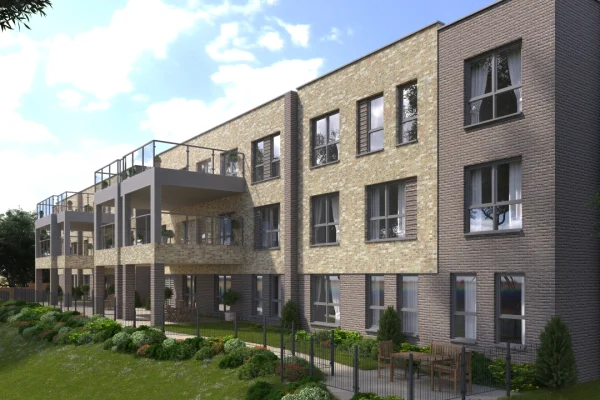

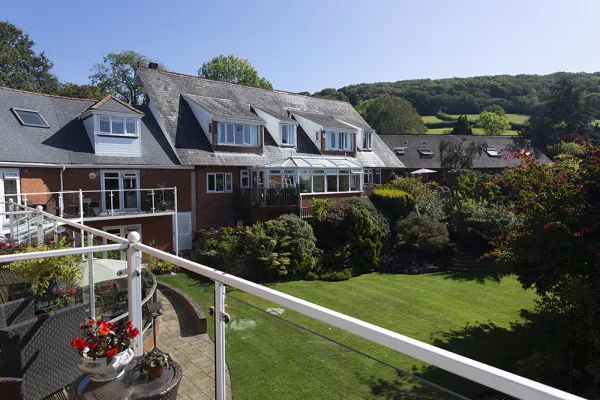

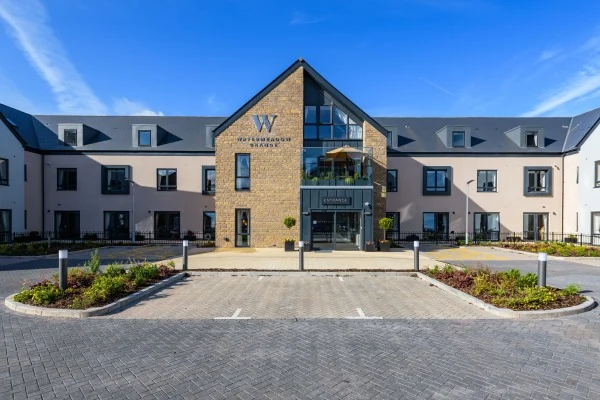

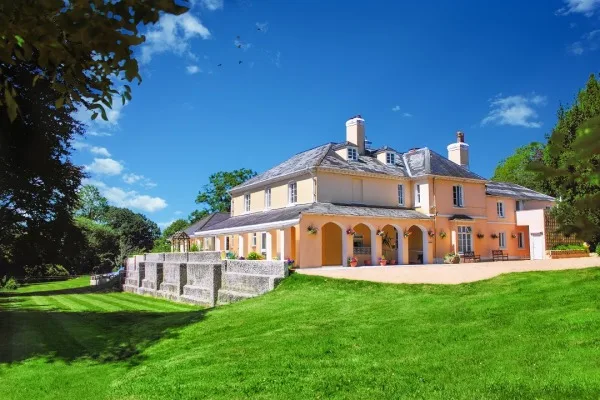


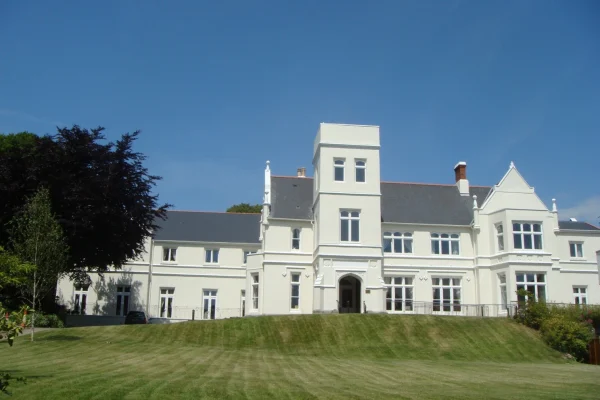
Care Provided by Mayflower House
Primary Care Categories
- Older Person Care
- Dementia
- Learning Disability / Autism
- Mental Health Condition
- Physical Disability
- Visual / Hearing Impairment
Length of Stay
- Permanent Care
- Respite Care
Care Types Provided
- Residential Care
- Dementia Residential Care
- For a maximum of 33 Service Users
Dementia Care Types
- Mild Dementia
- Moderate Dementia
Other Care Provided
- Parkinson's Disease
- Stroke
- Palliative / End of Life Care
- COPD/Pulmonary Disease
- Acquired Brain Injury (ABI)
Facilities
- Own Furniture if required
- Pet Friendly (or by arrangement)
- Close to Local shops
- Near Public Transport
- Minibus or other transport
- Lift
- Wheelchair Access
- Gardens
- Phone Point in own room
- Television point in own room
- Residents Internet Access
Funding & Fees
Contact Mayflower House to confirm what's included and get a personalised quote
Funding Types Accepted
- Self-Funding (Private)
- Local Authority with Top-up
- Local Authority
- NHS Continuing Healthcare (CHC)
Good to Know
Group / Owner
- A & L Care Homes Ltd
- Private Owned
Person in charge
- Vicki Hitchcock (Manager)
Local Authority / Social Services
Admission Information
- Ages 65+
Care Home Design/Build
- Purpose Built: Yes
- Year Purpose Built: 2010
- Number of floors: 1
Room Information
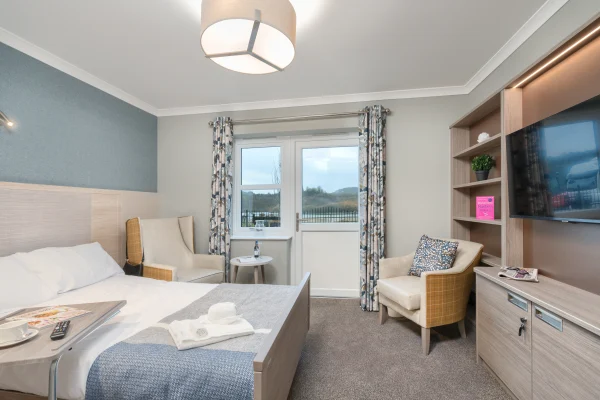
- Single Rooms (33)
- Single Rooms with ensuite Wet Room (26)
Visiting
- The home have a protected meal times policy and ask all visitors not to visit between 8am-10am, 12pm-1pm & 5pm-6pm. The aim of this policy is to ensure a system is in place for assurance that residents are given protected time to eat and drink at mealtimes. A protected mealtime policy provides a framework for mealtimes which places residents at the heart of the mealtime experience.
Parking
- The home have free onsite parking available to all visitors. Please park is designated bays only .
Are you the Owner/Manager of Mayflower House?View your Advertising Options
Mayflower House Reviews (5)
8.7
Mayflower House has a Review Score of 8.7 (8.731) out of 10, based on 5 reviews in the last 2 years.
Over all time Mayflower House has 5 reviews.
Filter Reviews
Overall Experience
Date Published
Reviewer Connection to Mayflower House
Loading...
Review from Jean T (Daughter of Resident) published on 9 June 2025 Submitted via Postal Card•
Overall Experience
Initially, my mother went to Mayflower House for assessment and necessary care. After it was decided that she would no longer be safe at home, I was lucky enough to have her stay there. Her room is spacious, clean with shower room ensuite. Meals are varied, freshly cooked, with fresh ingredients....
Initially, my mother went to Mayflower House for assessment and necessary care. After it was decided that she would no longer be safe at home, I was lucky enough to have her stay there. Her room is spacious, clean with shower room ensuite. Meals are varied, freshly cooked, with fresh ingredients. Staff all hardworking, caring, patient, friendly. I can't thank them enough.
Review from Eric S (Partner of Resident) published on 23 April 2025 Submitted via Website•
Overall Experience
Young staff needs training on all aspects of the home ie return trolley and gate access and bed manoeuvre delighted to discuss more with management if required. Hygiene very important especially personal
Young staff needs training on all aspects of the home ie return trolley and gate access and bed manoeuvre delighted to discuss more with management if required. Hygiene very important especially personal
Review from A R (Daughter of Resident) published on 23 April 2025 Submitted via Website•
Overall Experience
The staff are very caring , they support and care for the residents very well.
They know the residents well and will act quickly if there are any concerns.
They provide a range of activities and events for the residents and family.
They know the residents well and will act quickly if there are any concerns.
They provide a range of activities and events for the residents and family.
Our mother is safe and well cared for at all times.
The staff are very caring , they support and care for the residents very well.
They know the residents well and will act quickly if there are any concerns.
They provide a range of activities and events for the residents and family.
They know the residents well and will act quickly if there are any concerns.
They provide a range of activities and events for the residents and family.
Our mother is safe and well cared for at all times.
Review from S W (Niece of Resident) published on 16 April 2025 Submitted via Website•
Overall Experience
Mayflower House is wonderful. They look after my Uncle so well. I am very lucky to have them. The sensory activities are amazing. All the staff really do care and are always happy. My uncle has been through a lot and has been very poorly recently and there empathy and compassion towards him and us...
Mayflower House is wonderful. They look after my Uncle so well. I am very lucky to have them. The sensory activities are amazing. All the staff really do care and are always happy. My uncle has been through a lot and has been very poorly recently and there empathy and compassion towards him and us as a family has been overwhelming. We are truly grateful. I only hope when I am older I am lucky enough to go somewhere as good.
Review from Sally N (Daughter of Resident) published on 29 January 2025 Submitted via Website•
Overall Experience
My mum spent the last 3 years of her 92 years in Mayflower House and regarded Mayflower as her home.
They have compassionate caring staff that went the extra mile for my mum as she had high anxiety. The food served was of high standard and the room was cleaned on a daily basis. Entertainment was...
My mum spent the last 3 years of her 92 years in Mayflower House and regarded Mayflower as her home.
They have compassionate caring staff that went the extra mile for my mum as she had high anxiety. The food served was of high standard and the room was cleaned on a daily basis. Entertainment was provided on a regular basis and I will always have fond memories of afternoons spent with Mum on such occasions. The end-of-life compassionate care provided to both the family and mum was excellent, with regular contact with the local doctor and district nursing team. I cannot thank the staff at Mayflower enough for giving my mum such a lovely ending full of care and love, but also for supporting me and the family, Mayflower became my second home, thank you.
Regulatory Rating
Care Quality Commission (CQC) Rating
Date: 23 March 2018Overall
Good
Good
- CaringGood
- EffectiveGood
- ResponsiveGood
- SafeGood
- Well-ledGood
Inspection ratings
We rate most services according to how safe, effective, caring, responsive and well-led they are, using four levels:
- Outstanding - The service is performing exceptionally well.
- Good - The service is performing well and meeting our expectations.
- Requires Improvement - The service isn't performing as well as it should and we have told the service how it must improve.
- Inadequate - The service is performing badly and we've taken action against the person or organisation that runs it.
- Not rated - we have not yet rated this area of the service, this is normally because the assessments we have carried out have been focused on other key questions.
Bed Vacancies
Please contact us for latest vacancies.
News (0) & Events (0)
News
There are no news items for Mayflower House.
Upcoming Events
There are no upcoming events for Mayflower House.
Awards / Recognitions (0)
There are currently no awards/recognitions posted yet for Mayflower House.
Accreditations
There are no accreditations posted yet for Mayflower House.
Meet the Team (0)
There are no Team Members posted yet.
Frequently Asked Questions about Mayflower House
What types of Care is Mayflower House registered for?
Older Person Care, Dementia, Learning Disability / Autism, Mental Health Condition, Physical Disability, Visual / Hearing Impairment are the registered (by the Care Quality Commission) categories of Care.
How many Rooms does Mayflower House have?
There are 33 Single Rooms.
What are the Facilities & Services at Mayflower House?
Own Furniture if required, Pet Friendly (or by arrangement), Close to Local shops, Near Public Transport, Minibus or other transport, Lift, Wheelchair Access, Gardens, Phone Point in own room, Television point in own room, Residents Internet Access are some of the Facilities & Services.
How far is Mayflower House to the centre of Plymouth?
1.3 mile(s) as the crow flies, distance by road may be significantly further.
Information on this page is displayed without responsibility for its accuracy on the part of carehome.co.uk. Please contact Mayflower House to verify any information. View our terms and conditions. Mayflower House has a Basic Service -what a Basic Service includes.