Loading travel time






Care Provided by Queen Ann House
Primary Care Categories
- Older Person Care
- Dementia
- Learning Disability / Autism
- Mental Health Condition
- Physical Disability
- Visual / Hearing Impairment
- Eating Disorders
- Alcohol / Drug Misuse
- Younger Adults
Length of Stay
- Permanent Care
- Respite Care
Care Types Provided
- Residential Care
- Dementia Residential Care
- For a maximum of 22 Service Users
Dementia Care Types
- Mild Dementia
- Moderate Dementia
Other Care Provided
- Acquired Brain Injury (ABI)
Facilities
- Own Furniture if required
- Pet Friendly (or by arrangement)
- Smoking not permitted
- Close to Local shops
- Near Public Transport
- Wheelchair Access
- Gardens
- Residents Kitchenette
- Phone Point in own room
- Television point in own room
- Residents Internet Access
Funding & Fees
rating according to need
Contact Queen Ann House to confirm what's included and get a personalised quote
Funding Types Accepted
- Self-Funding (Private)
- Local Authority with Top-up
- Local Authority
- NHS Continuing Healthcare (CHC)
Good to Know
Owner
- KBK Care Ltd
- Private Owned
Person in charge
- Ben Jackson (Manager)
Local Authority / Social Services
Admission Information
- Mixed (no single-gender units)
- Ages 40+
Care Home Design/Build
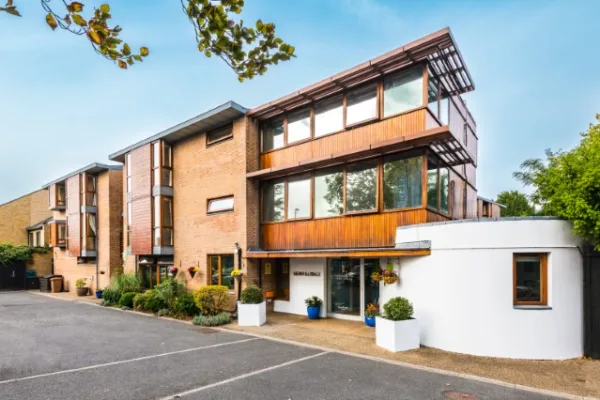
- Purpose Built: No
- Last Refurbishment: 2025
- Number of floors: 2
Room Information
- Single Rooms (22)
Visiting
- There will be no restrictions on visiting hours, other than those requested by residents collectively or individually. However, if you wish to visit outside 09:00 – 17:00 or stay later than 19:30 then please inform the home prior to visiting, so that arrangements can be made.
Parking
- Limited Parking is available. Please inform a member of the team if you park on the driveway.
Are you the Owner/Manager of Queen Ann House?View your Advertising Options
Queen Ann House Reviews (9)
Over all time Queen Ann House has 9 reviews.
Filter Reviews
Overall Experience
Date Published
Reviewer Connection to Queen Ann House
Loading...
Review from Patrick B (Nephew of Resident) published on 24 September 2018 Submitted via Postal Card•
Overall Experience
Staff very good. Helpful and friendly and most of all care and are good with the residents for which we are grateful for.
Staff very good. Helpful and friendly and most of all care and are good with the residents for which we are grateful for.
Review from Tim W (Brother of Resident) published on 28 August 2018 Submitted via Postal Card•
Overall Experience
Friendly, helpful staff. Residents always appear happy and interacting together with each other and members of staff. The environment is clean and peaceful, residents have good access to indoor and outside space. Meal times appear to be enjoyable when residents will sit together. Meals are varied...
Friendly, helpful staff. Residents always appear happy and interacting together with each other and members of staff. The environment is clean and peaceful, residents have good access to indoor and outside space. Meal times appear to be enjoyable when residents will sit together. Meals are varied and are of good quality. My own relative who resides here has come on in leaps and bounds due to the support she receives.
Review from Norah S (Sister of Resident) published on 26 June 2018 Submitted via Postal Card•
Overall Experience
My brother has been at Queen Ann House for 28 years, he is very happy and settled at Queen Ann House and I would never consider moving.
My brother has been at Queen Ann House for 28 years, he is very happy and settled at Queen Ann House and I would never consider moving.
↩Reply from Joe Jackson, Social & Marketing Coordinator at Queen Ann House
Hi Norah, Thanks for the great feedback.
Review from Jane W (Sister-in-law of Resident) published on 13 June 2018 Submitted via Postal Card•
Overall Experience
Always found the staff to be cheerful, helpful and friendly. Good interaction between residents and staff. A pleasant clean environment with improvements constantly being made. Residents always appear relaxed. When visiting over lunch periods always thought the food looked appetising and...
Always found the staff to be cheerful, helpful and friendly. Good interaction between residents and staff. A pleasant clean environment with improvements constantly being made. Residents always appear relaxed. When visiting over lunch periods always thought the food looked appetising and nutritious. Communication is very good.
Review from K P (Sister of Resident) published on 13 June 2018 Submitted via Postal Card•
Overall Experience
I am very happy with the care provided to my brother at Queen Ann House.
I am very happy with the care provided to my brother at Queen Ann House.
Review from Corinne O (Sister of Resident) published on 6 June 2018 Submitted via Postal Card•
Overall Experience
As soon as you walk in the door you feel that you are enveloped in a safe, warm and caring atmosphere. The family feeling is tangible. This is a place anyone would be proud to call "home".
The food looked delicious too.
As soon as you walk in the door you feel that you are enveloped in a safe, warm and caring atmosphere. The family feeling is tangible. This is a place anyone would be proud to call "home".
The food looked delicious too.
Review from Tracey R (Resident / Service User) published on 5 June 2018 Submitted via Postal Card•
Overall Experience
I am very happy here. I feel safe and looked after. This home is safe and I feel part of the family. My family visit me often and are always made welcome. I enjoy using the local shops and park with my family and dogs.
I am very happy here. I feel safe and looked after. This home is safe and I feel part of the family. My family visit me often and are always made welcome. I enjoy using the local shops and park with my family and dogs.
Review from Maureen S (Sister of Resident) published on 14 May 2018 Submitted via Review Postal Card•
Overall Experience
My sister has been a resident of Queen Ann House for around 10 years. We have always been made welcome on our visits to her and her room is always clean and she is very well looked after and taken care of. Her meals are always at regular times and very well cooked. Residents are kept occupied with...
My sister has been a resident of Queen Ann House for around 10 years. We have always been made welcome on our visits to her and her room is always clean and she is very well looked after and taken care of. Her meals are always at regular times and very well cooked. Residents are kept occupied with games, sing-alongs and special events are organised.
Review from Yvonne B (Friend of Resident) published on 11 April 2018 Submitted via Review Postal Card•
Overall Experience
The care and friendly way they treat the residents is something to be seen and is admirable. There is always a happy feeling around the place.
The care and friendly way they treat the residents is something to be seen and is admirable. There is always a happy feeling around the place.
Bed Vacancies
Please contact us for latest vacancies.
News (0) & Events (0)
News
There are no news items for Queen Ann House.
Upcoming Events
There are no upcoming events for Queen Ann House.
Awards / Recognitions (1)
- 13 May 2005Recipient: Queen Ann House
Accreditations
There are no accreditations posted yet for Queen Ann House.
Meet the Team (0)
There are no Team Members posted yet.
Frequently Asked Questions about Queen Ann House
What types of Care is Queen Ann House registered for?
Older Person Care, Dementia, Learning Disability / Autism, Mental Health Condition, Physical Disability, Visual / Hearing Impairment, Eating Disorders, Alcohol / Drug Misuse, Younger Adults are the registered (by the Care Quality Commission) categories of Care.
How many Rooms does Queen Ann House have?
There are 22 Single Rooms.
What are the Facilities & Services at Queen Ann House?
Own Furniture if required, Pet Friendly (or by arrangement), Smoking not permitted, Close to Local shops, Near Public Transport, Wheelchair Access, Gardens, Residents Kitchenette, Phone Point in own room, Television point in own room, Residents Internet Access are some of the Facilities & Services.
How far is Queen Ann House to the centre of London?
8.3 mile(s) as the crow flies, distance by road may be significantly further.
Information on this page is displayed without responsibility for its accuracy on the part of carehome.co.uk. Please contact Queen Ann House to verify any information. View our terms and conditions. Queen Ann House has a Basic Service -what a Basic Service includes.