Loading travel time
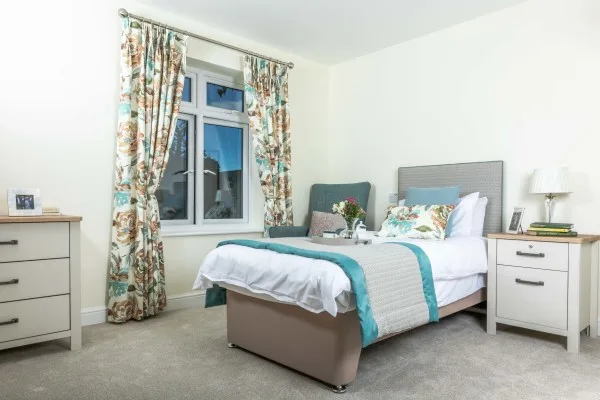

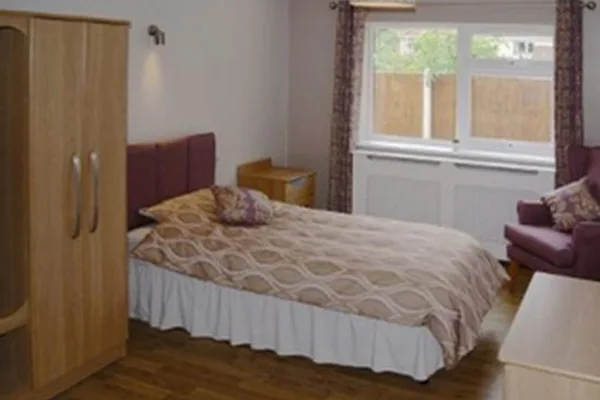



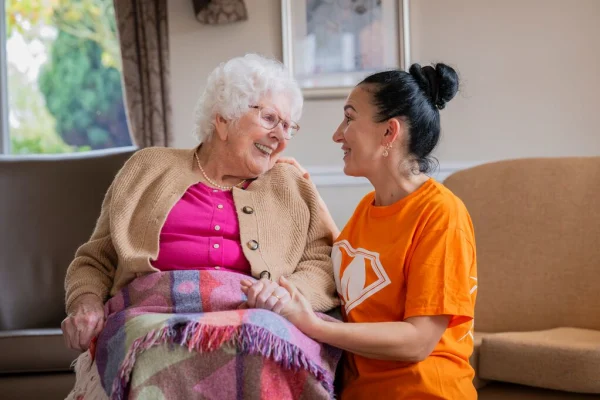





Care Provided by Ealing House Residential Home
Primary Care Categories
- Older Person Care
- Dementia
- Mental Health Condition
- Physical Disability
Length of Stay
- Permanent Care
- Respite Care
Care Types Provided
- Residential Care
- Dementia Residential Care
- For a maximum of 17 Service Users
Dementia Care Types
- Mild Dementia
- Moderate Dementia
Other Care Provided
- Day Care
Facilities
- Own Furniture if required
- Pet Friendly (or by arrangement)
- Smoking not permitted
- Close to Local shops
- Near Public Transport
- Stairlift
- Gardens
- Phone Point in own room
- Television point in own room
Funding & Fees
Weekly Charges per Person
The price(s) shown are provided by the care home. Contact Ealing House Residential Home for full pricing details and T&Cs.
Contact Ealing House Residential Home to confirm what's included and get a personalised quote
Funding Types Accepted
- Self-Funding (Private)
- Local Authority with Top-up
- Local Authority
- NHS Continuing Healthcare (CHC)
Good to Know
Group / Owner
- 365 Care Homes Ltd
- Private Owned
Person in charge
- Christina Antill (Manager)
Local Authority / Social Services
Admission Information
- Ages 65+
Care Home Design/Build
- Purpose Built: No
- Last Refurbishment: 2008
Room Information
- Single Rooms (13)
- Couples/Companion Rooms (2)
- Single Rooms with ensuite Wet Room (3)
Are you the Owner/Manager of Ealing House Residential Home?View your Advertising Options
Ealing House Residential Home Reviews (1)
Over all time Ealing House Residential Home has 1 review.
Filter Reviews
Overall Experience
Date Published
Reviewer Connection to Ealing House Residential Home
Loading...
Review from Barbara (Father-in-law of Resident) published on 20 April 2016 Submitted via Website•
Overall Experience
My father-in-law stayed at Ealing House for convalescence/respite care for four months, after a serious illness. His room was clean and comfortable, and he was allowed to bring as much/as little of his own belongings as he wished. As he'd been hospital for some time he particularly wanted his own...
My father-in-law stayed at Ealing House for convalescence/respite care for four months, after a serious illness. His room was clean and comfortable, and he was allowed to bring as much/as little of his own belongings as he wished. As he'd been hospital for some time he particularly wanted his own bedding from home, and that was perfectly ok. The staff there were very friendly and welcoming, and he settled in very quickly. We were able to discuss with them the particular things we wanted him to be able to achieve as goals, (eg. showering/dressing unaided) and the staff worked with him to accomplish everything we asked, at a gentle pace to give him reassurance while regaining his independence. He'd lost a great deal of weight while ill, and he gradually regained that, as again they worked with him to ensure he was getting the best nutrition even though his appetite was small. In short, they made a world of difference to him and looked after him magnificently.
Bed Vacancies
Please contact us for latest vacancies.
News (0) & Events (0)
News
There are no news items for Ealing House Residential Home.
Upcoming Events
There are no upcoming events for Ealing House Residential Home.
Awards / Recognitions (0)
There are currently no awards/recognitions posted yet for Ealing House Residential Home.
Accreditations
There are no accreditations posted yet for Ealing House Residential Home.
Meet the Team (0)
There are no Team Members posted yet.
Frequently Asked Questions about Ealing House Residential Home
What types of Care is Ealing House Residential Home registered for?
Older Person Care, Dementia, Mental Health Condition, Physical Disability are the registered (by the Care Quality Commission) categories of Care.
How many Rooms does Ealing House Residential Home have?
There are 13 Single Rooms and 2 Couples/Companion Rooms.
What are the Facilities & Services at Ealing House Residential Home?
Own Furniture if required, Pet Friendly (or by arrangement), Smoking not permitted, Close to Local shops, Near Public Transport, Stairlift, Gardens, Phone Point in own room, Television point in own room are some of the Facilities & Services.
How far is Ealing House Residential Home to the centre of Great Yarmouth?
7.8 mile(s) as the crow flies, distance by road may be significantly further.
Information on this page is displayed without responsibility for its accuracy on the part of carehome.co.uk. Please contact Ealing House Residential Home to verify any information. View our terms and conditions. Ealing House Residential Home has a Basic Service -what a Basic Service includes.