Loading travel time
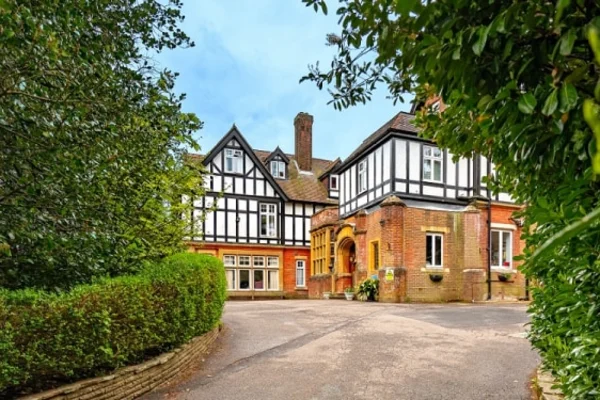

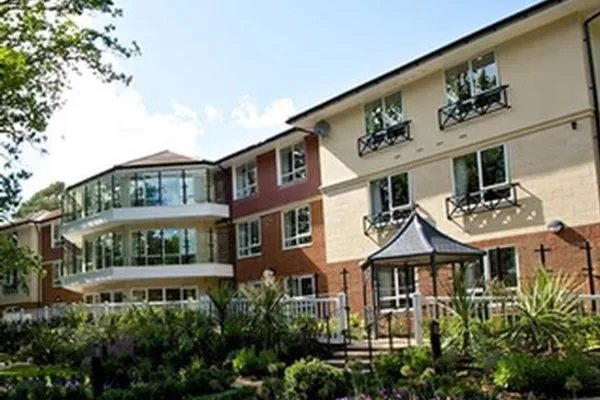


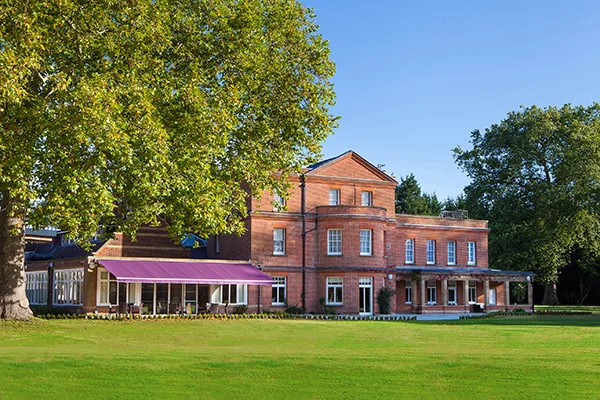

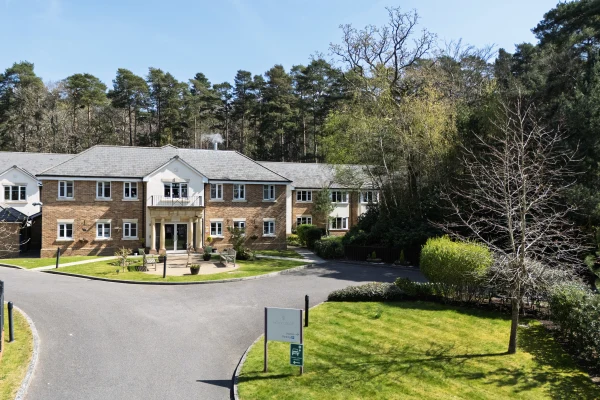

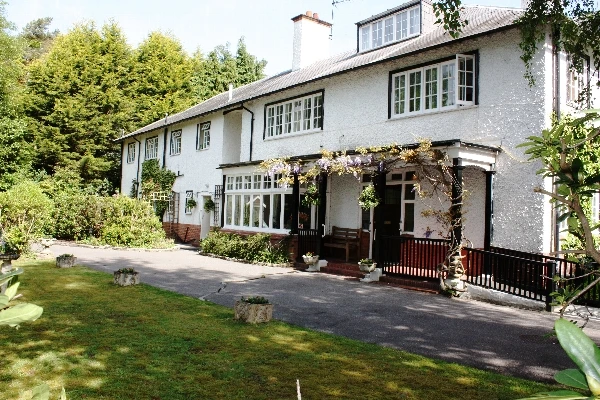

Care Provided by The Grange Retirement Home
Primary Care Categories
- Older Person Care
- Dementia
- Physical Disability
- Visual / Hearing Impairment
Length of Stay
- Permanent Care
- Respite Care
Care Types Provided
- Residential Care
- Nursing Care
- Dementia Residential Care
- Dementia Nursing Care
- For a maximum of 62 Service Users
Dementia Care Types
- Mild Dementia
- Moderate Dementia
- Advanced/Complex Dementia
Funding & Fees
Weekly Charges per Person
The price(s) shown are provided by the care home. Contact The Grange Retirement Home for full pricing details and T&Cs.
Contact The Grange Retirement Home to confirm what's included and get a personalised quote
Funding Types Accepted
- Self-Funding (Private)
- Local Authority with Top-up
- Local Authority
- NHS Continuing Healthcare (CHC)
Support you may be entitled to
- If you choose a care home based in England, you may be eligible for NHS Funded Nursing Care (FNC), which helps cover the cost of nursing. This is worth £267.68 per week and is usually paid directly to the care home.
Good to Know
Owner
- The Grange (Chertsey) 2002 Ltd
- Private Owned
Person in charge
- Anjaleena Kuriakose (Manager)
Local Authority / Social Services
Admission Information
- Ages 45+
Care Home Design/Build
- Purpose Built: No
Room Information
- Single Rooms (62)
Are you the Owner/Manager of The Grange Retirement Home?View your Advertising Options
The Grange Retirement Home Reviews (45)
9.0
The Grange Retirement Home has a Review Score of 9.0 (8.965) out of 10, based on 8 reviews in the last 2 years.
Over all time The Grange Retirement Home has 45 reviews.
Filter Reviews
Overall Experience
Date Published
Reviewer Connection to The Grange Retirement Home
Loading...
Review from Amanda Z (Daughter of Resident) published on 15 July 2016 Submitted via Review Postal Card•
Overall Experience
Very caring home with dedicated staff; my mother is very happy in her new home. I couldn't be happier with her care.
Very caring home with dedicated staff; my mother is very happy in her new home. I couldn't be happier with her care.
Review from Sheila C (Resident / Service User) published on 6 April 2016 Submitted via Review Postal Card•
Overall Experience
This home provides a meticulous approach to all aspects of care and attention.
This home provides a meticulous approach to all aspects of care and attention.
Review from Hilda D (Resident / Service User) published on 30 March 2016 Submitted via Review Postal Card•
Overall Experience
Love living here, we are all family.
Love living here, we are all family.
Review from Monica P (Sister of Resident) published on 28 October 2015 Submitted via Review Postal Card•
Overall Experience
My brother was in the Grange from July 2012 until he passed away in September 2015. During his time there he was treated with the utmost care and kindness. He was a cheerful person and staff would talk and joke with him and have discussions about football etc. When he first went into the home he...
My brother was in the Grange from July 2012 until he passed away in September 2015. During his time there he was treated with the utmost care and kindness. He was a cheerful person and staff would talk and joke with him and have discussions about football etc. When he first went into the home he was very frail but the staff fed him up and his weight increased. Unfortunately during his last year his illness took over but the staff never stopped treating him with the same respect. Sadly he passed away in September this year and I cannot praise the staff enough for the care they gave to my brother but also the kindness shown to me and my family. They said they were only doing their job but to us it was over and above duty. I cannot thank them enough.
Review from Davis W (Son of Resident) published on 20 August 2015 Submitted via Review Postal Card•
Overall Experience
My mum became a resident of The Grange in March 2015. The care she has been receiving is first rate. Mum suffered a major stroke which left her unable to walk and unable to understand much. She can now shuffle (with assistance) short distances. We were invited to this annual BBQ event and we did...
My mum became a resident of The Grange in March 2015. The care she has been receiving is first rate. Mum suffered a major stroke which left her unable to walk and unable to understand much. She can now shuffle (with assistance) short distances. We were invited to this annual BBQ event and we did not expect this to be what it was. Everyone was outside, all friends and families attended even past families were there helping out. This is a home that really does care.
Regulatory Rating
Care Quality Commission (CQC) Rating
Date: 14 August 2024Overall
Good
Good
- CaringGood
- EffectiveGood
- ResponsiveGood
- SafeGood
- Well-ledGood
Inspection ratings
We rate most services according to how safe, effective, caring, responsive and well-led they are, using four levels:
- Outstanding - The service is performing exceptionally well.
- Good - The service is performing well and meeting our expectations.
- Requires Improvement - The service isn't performing as well as it should and we have told the service how it must improve.
- Inadequate - The service is performing badly and we've taken action against the person or organisation that runs it.
- Not rated - we have not yet rated this area of the service, this is normally because the assessments we have carried out have been focused on other key questions.
Bed Vacancies
Please contact us for latest vacancies.
News (0) & Events (0)
News
There are no news items for The Grange Retirement Home.
Upcoming Events
There are no upcoming events for The Grange Retirement Home.
Awards / Recognitions (0)
There are currently no awards/recognitions posted yet for The Grange Retirement Home.
Accreditations
There are no accreditations posted yet for The Grange Retirement Home.
Meet the Team (0)
There are no Team Members posted yet.
Information on this page is displayed without responsibility for its accuracy on the part of carehome.co.uk. Please contact The Grange Retirement Home to verify any information. View our terms and conditions. The Grange Retirement Home has a Basic Service -what a Basic Service includes.